HRV Matters: 3 Recovery Signals Guide Your Fitness
"The most important thing a tracker tells you isn't how many steps you took today, but how much you've changed over a month."
Modern fitness trackers have evolved from simple pedometers into sophisticated physiological monitors that can predict fatigue before you even feel it. For a beginner, the challenge isn't getting the data—it's understanding what that data actually means for your body.
Key Takeaways * Premium trackers provide deep physiological trends like HRV and sleep staging rather than just raw movement counts. * The real value of a device like the Fitbit Charge 6 lies in its software's ability to turn data into actionable health intelligence.
* Understanding the difference between a single data point and a long-term trend is essential to avoid burnout or unnecessary anxiety.
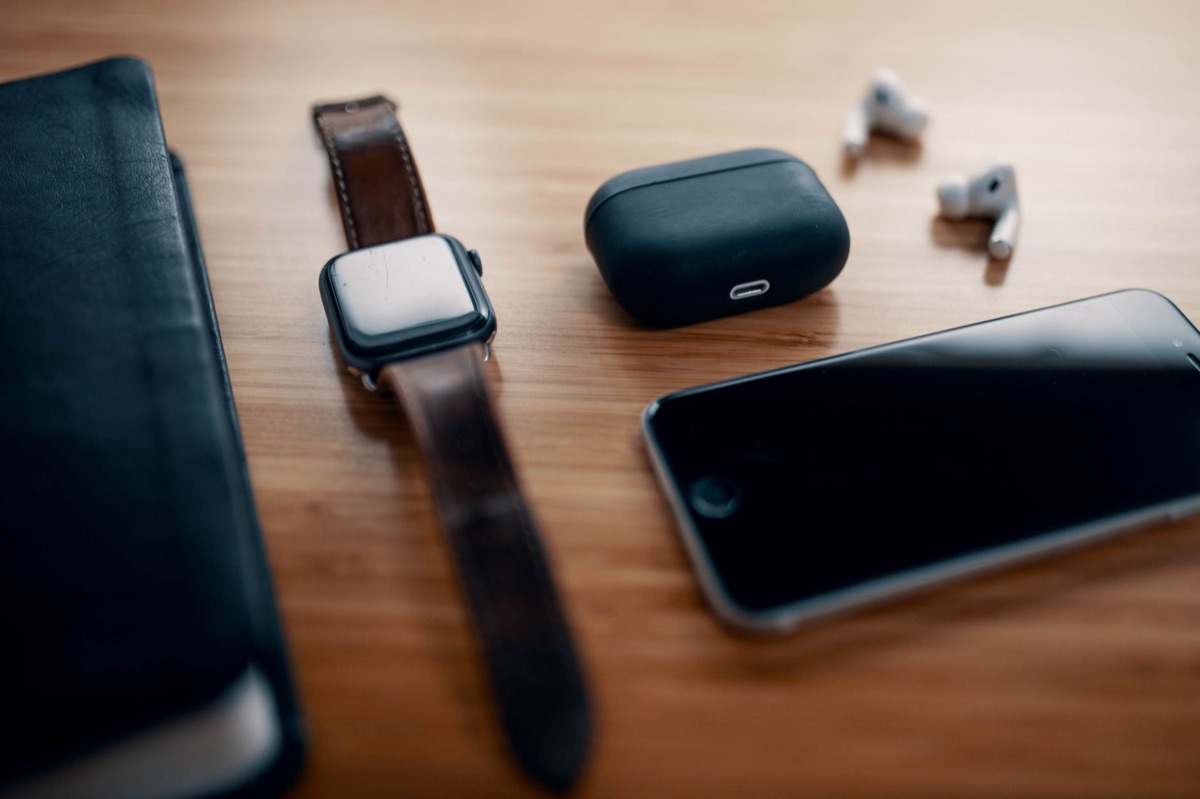
What do my activity trackers actually measure? I remember sitting on my living room floor at 6:00 AM, staring at a plastic band on my wrist, wondering why it was telling me I was "unready" for a run when I felt perfectly fine. It wasn't just counting my movement; it was measuring my internal state.
According to Artificial intelligence in medicine (2024), the evolution of the healthcare industry from Industry 1.0 to 5.0 has incorporated smart wearable devices and digital technologies to revolutionize healthcare delivery.
While a basic device tells you that you walked three miles, a premium device tells you how much strain that three-mile walk put on your cardiovascular system.
The distinction between basic and premium features can be broken down into how they handle your body's signals:
| Feature Category | Basic Tracker Capability | Premium Tracker Capability (e.g., Fitbit Charge 6) |
|---|---|---|
| Movement | Step counting and distance | GPS mapping and cadence tracking |
| Heart Health | Resting heart rate | Heart Rate Variability (HRV) and ECG readiness |
| Sleep | Total time asleep | Light, Deep, and REM sleep stage analysis |
| Oxygen | Not typically included | Continuous SpO2 monitoring for sleep apnea insights |
While a basic device captures the "what" of your movement, a premium device captures the "how" of your physiological response. This context is what turns a simple gadget into a health management tool.
- Calibrate your heart rate sensor by ensuring a snug fit against your wrist.
- Sync your device with the mobile app to capture background biometric data.
- Review sleep stages to understand how movement affects rest quality.
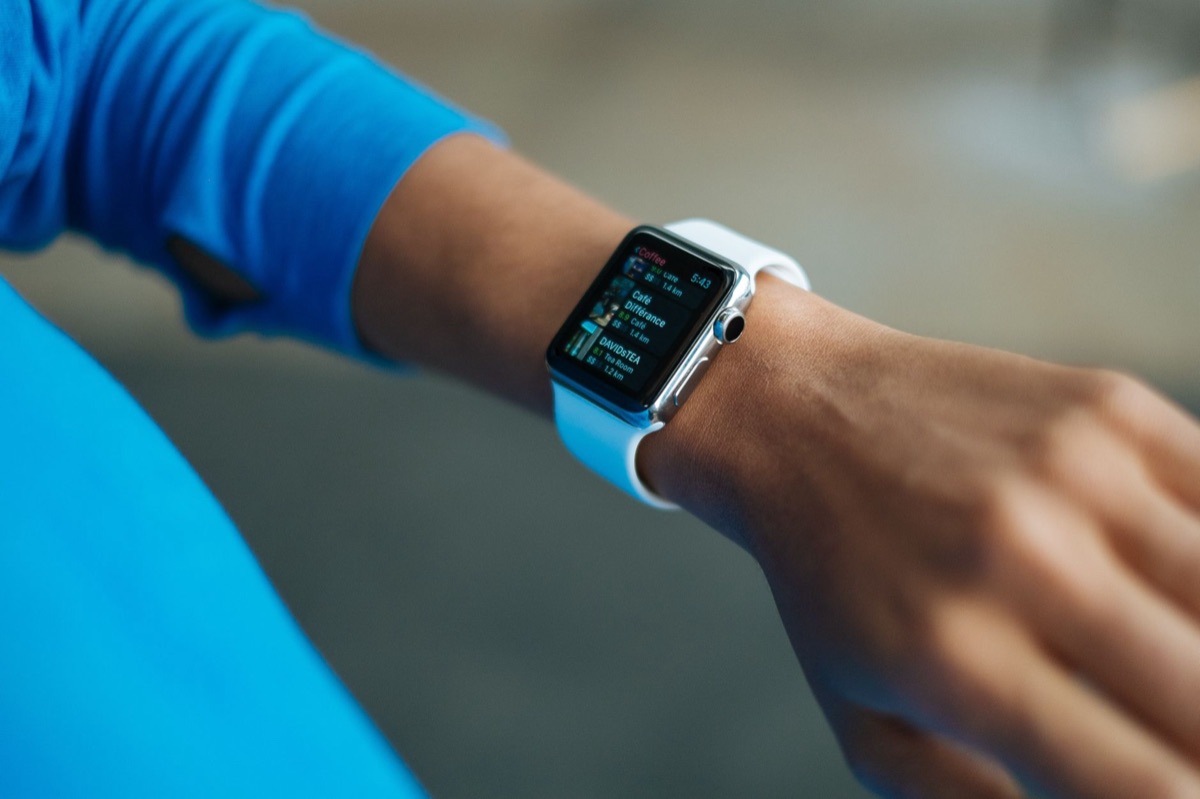
What's the difference between health insights and logs? Walking through a park at sunset, I noticed my tracker's "stress score" spiking even though I was just enjoying a peaceful stroll. It was a reminder that data without context can be misleading.
According to Sensors (Basel, Switzerland) (2022), being female increased the odds of using a tracker device by 2.3 times.
The most common mistake beginners make is treating a single data point—like a low sleep score—as a definitive fact. In reality, a single night of poor sleep is a data point, but a three-week downward trend in sleep quality is a health insight.
Sleep Analysis Modern trackers break sleep into stages: Light, Deep, and REM. While "total sleep time" is a common metric, the quality of these stages matters more for recovery.
For instance, a lack of Deep sleep often correlates with physical fatigue, while low REM sleep can impact cognitive clarity.
Heart Rate Variability (HRV) HRV is a measurement of the variation in time between each heartbeat. It is a primary indicator of your autonomic nervous nervous system's state.
A high HRV typically suggests you are well-recovered and ready for a hard workout, while a low HRV can indicate overtraining or oncoming illness.
Activity Zones Instead of just looking at "calories burned," premium devices use heart rate zones (Fat Burn, Cardio, Peak) to show the physiological benefit of an activity. This helps you understand if you are building endurance or simply burning energy.
When I tried comparing my raw step counts to my sleep quality, I was surprised to see how much a single late-night walk disrupted my deep sleep cycles. I would focus more on recovery metrics rather than just hitting daily movement goals if I were to start over.
Fitbit Charge 6 & Competitor Comparison: Feature Mapping
I stood in a tech aisle last month, comparing a sleek smartwatch to a slim fitness band, trying to decide if the extra bulk was worth the extra data.
According to Frontiers in public health (2026), the issue of insufficient physical activity in adolescents is a significant worldwide health concern, as 81% do not achieve the suggested levels of physical exercise.
When choosing a device, you are essentially choosing an ecosystem. A device like the Fitbit Charge 6 is designed for those who want deep health insights without the distraction of a full-sized smartwatch. It balances a slim form factor with high-end sensor technology.
Ecosystem Integration The hardware is only half the story. The software—the app on your phone—is where the data lives. A good ecosystem will take your morning sleep data and suggest a lighter workout if your recovery score is low.
This "closed-loop" feedback is what differentiates a fitness tracker from a smartphone app.
Battery Life vs. Feature Depth There is a natural trade-off between a device's size and its longevity. A large smartwatch might offer a bright screen and constant notifications but may require daily charging.
A slim tracker like the Charge 6 typically offers longer battery life, which is crucial for continuous sleep tracking—a metric that is useless if the device is sitting on a charger overnight.
Software-Driven Insights As software matures, these devices often receive updates that unlock new ways to interpret old data. This means a device you buy today can actually become "smarter" a year from now through algorithmic improvements.
- Identify the specific sensor technologies used by each device.
- Cross-reference battery life expectations with active GPS usage.
- Map the user interface layout to determine ease of navigation.
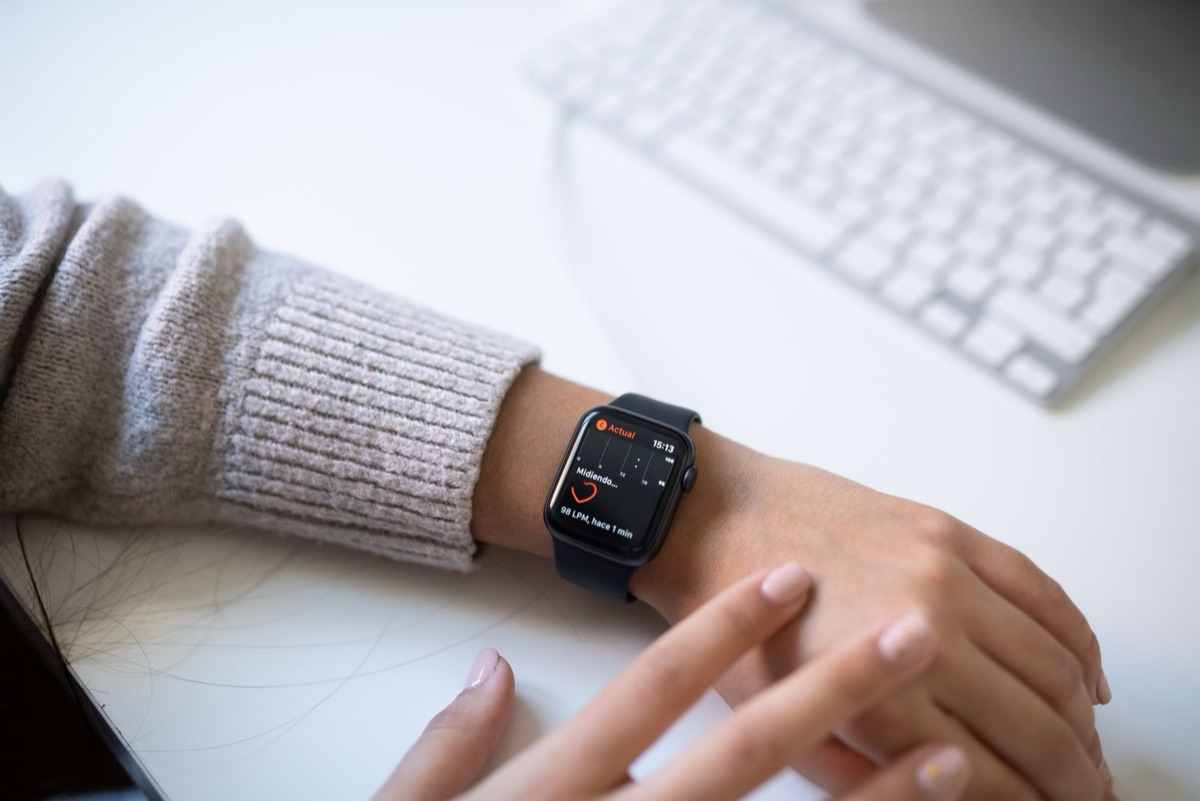
Maximizing Your Data: From Tracking to Actionable Habit Change
After a month of tracking, I realized I was spending too much time looking at my "goal reached" notifications and not enough time looking at my recovery trends.
According to Trials (2022), researchers are investigating whether the use of a tracker-based intervention leads to sustainable improvements in the physical activity of healthy individuals and in people with T2DM.
To get real value from a tracker, you must move from "tracking" to "actionable change." This means using the data to adjust your daily life.
- Set Recovery-Based Goals: Instead of forcing a heavy lifting session every day, use your HRV or "Readiness Score" to decide. If your score is low, swap a high-intensity workout for a walk or a mobility session. 2. Correlate Diet and Sleep: Use your data to see how lifestyle choices affect you. For example, you might notice that a late-night heavy meal significantly drops your deep sleep percentage. 3. Pace Your Activity: Use your heart rate zones to ensure you aren't always training at maximum intensity. This prevents "overtraining syndrome," where chronic fatigue sets in due to a lack of recovery.
A Note on Caution: It is important to remember that these devices are tools for wellness, not medical diagnostic equipment. If a tracker shows a sudden abnormality, do not self-diagnose. Always consult a healthcare professional for medical concerns.
- Identify a single metric that correlates with your energy levels.
- Set a small, incremental goal based on your historical averages.
- Adjust your daily routine to address specific data trends.
The Spectrum of Wearable Adoption: Why Data Matters
The world is moving toward a model where health is proactive rather than reactive.
The shift toward wearable technology is part of a much larger movement in healthcare. The latest evolution of the healthcare industry from Industry 1.0 to 5.0, incorporating smart wearable devices and digital technologies, has revolutionized healthcare delivery and improved patient treatment.
This shift is particularly relevant for younger generations. The issue of insufficient physical activity in adolescents—defined by the World Health Organization as those aged 10-19 years—is a significant worldwide health concern, as 81% do not achieve the suggested levels of physical exercise.
For these individuals, a tracker can provide the immediate feedback needed to gamify and encourage movement.
The demographic trends also show a clear interest in these tools. Being female increased the odds of using a tracker device by 2.3 times, suggesting that women are leading the way in using data for preventative health.
This shows that when data flows seamlessly between devices and platforms, user engagement increases.
When I first began tracking my data, I realized that seeing my resting heart rate trends was much more useful than just seeing my daily step count. I learned that the real value isn't in the number itself, but in how that number changes over several weeks.


Comments 0