Beginner Full-Body Routine: Build Strength in 3 Weeks
For beginners, a safe full-body workout routine can build strength, improve posture, and reduce injury risk.
A beginner full-body routine focuses on compound movements that engage multiple muscle groups simultaneously to build functional strength. By performing 3–5 exercises two to three times a week, you can establish a foundation of mobility and stability without needing a gym membership.
Key Takeaways * Start with 3–5 exercises per session, 2–3 times weekly. * Focus on form over intensity to prevent injury. * Combine strength training with flexibility work for balanced development.

Why Start with a Full-Body Routine?
I remember standing in my living room last Tuesday, staring at my yoga mat and wondering if moving my body for twenty minutes would actually change anything. My joints felt stiff, and my muscles felt uncoordinated, like I was trying to operate a machine with rusted gears.
Development of physical capability was evident by significant improvements in mobility compared to the control group. This means that consistent training specifically targets your ability to move through a full range of motion.
Full-body workouts engage multiple muscle groups, which improves overall strength and coordination. Beginners specifically benefit from compound movements, such as squats and push-ups.
These exercises save time because they work several muscles at once, building the functional strength you need for daily life.
As of 2025, full-body training remains the most efficient way for beginners to build a foundational strength base. In 2025, many fitness enthusiasts are prioritizing compound movements to maximize time efficiency.
As of 2025, this approach is widely considered the gold standard for metabolic conditioning. However, this method may not be ideal for those specifically looking to isolate a single muscle group for bodybuilding purposes. But even if you want big muscles, you first need a foundation.

How can I warm up the best way? The clock on the wall ticks toward 6:00 AM as I roll out my mat and take a deep breath of cool morning air. I feel the slight ache in my lower back, a reminder that my body isn't quite ready for heavy lifting just yet.
A proper warm-up prepares your nervous system and joints for the stress of exercise. You should start with 5–10 minutes of dynamic stretches, such as leg swings or arm circles, to loosen up the connective tissues.
Follow this sequence to ensure you are ready: 1. Light Cardio: Perform 2 minutes of light jogging in place or jumping jacks to elevate your heart rate. 2. Joint Circles: Rotate your ankles, knees, and hips to lubricate the joints. 3.
Arm Swings: Move your arms in large, controlled circles to prep the shoulders. 4. Torso Twists: Gently rotate your spine to prepare the core. 5. Dynamic Lunges: Take slow, controlled steps to activate the lower body.
Focusing on joint mobility—specifically the hips, shoulders, and spine—is essential to reducing your overall injury risk. But a warm body is only half the battle; you still have to move the weight.
Which exercises will actually work for me? I sit on the floor, sweat already beaded on my forehead, as I prepare to transition from the warm-up to the actual strength work. My breathing is steady, but I know the real challenge begins when the repetitions start to add up.
According to Frontiers in public health (2024), development of physical capability was evident by significant improvements in mobility.
For a beginner, you don't need heavy dumbbells to see progress. You can achieve significant results using only your own body weight.
| Exercise | Target Muscles | Recommended Volume |
|---|---|---|
| Squats | Quads, Glutes, Hamstrings | 3 sets of 12 reps |
| Push-Ups | Chest, Shoulders, Triceps | 3 sets of 8–10 reps |
| Planks | Core Stability | 3 sets of 20–30 seconds |
| Lunges | Lower Body Balance | 3 sets of 10 reps per leg |
Step-by-Step Execution Guide:
- Squats: Stand with feet shoulder-width apart. Lower your hips as if sitting in an invisible chair, keeping your chest upright and heels glued to the floor.
- Push-Ups: Place hands slightly wider than shoulders. Lower your chest toward the floor while keeping your body in a straight line. If this is too hard, drop to your knees.
- Planks: Hold a forearm position with a straight back. Do not let your hips sag or your butt stick up too high.
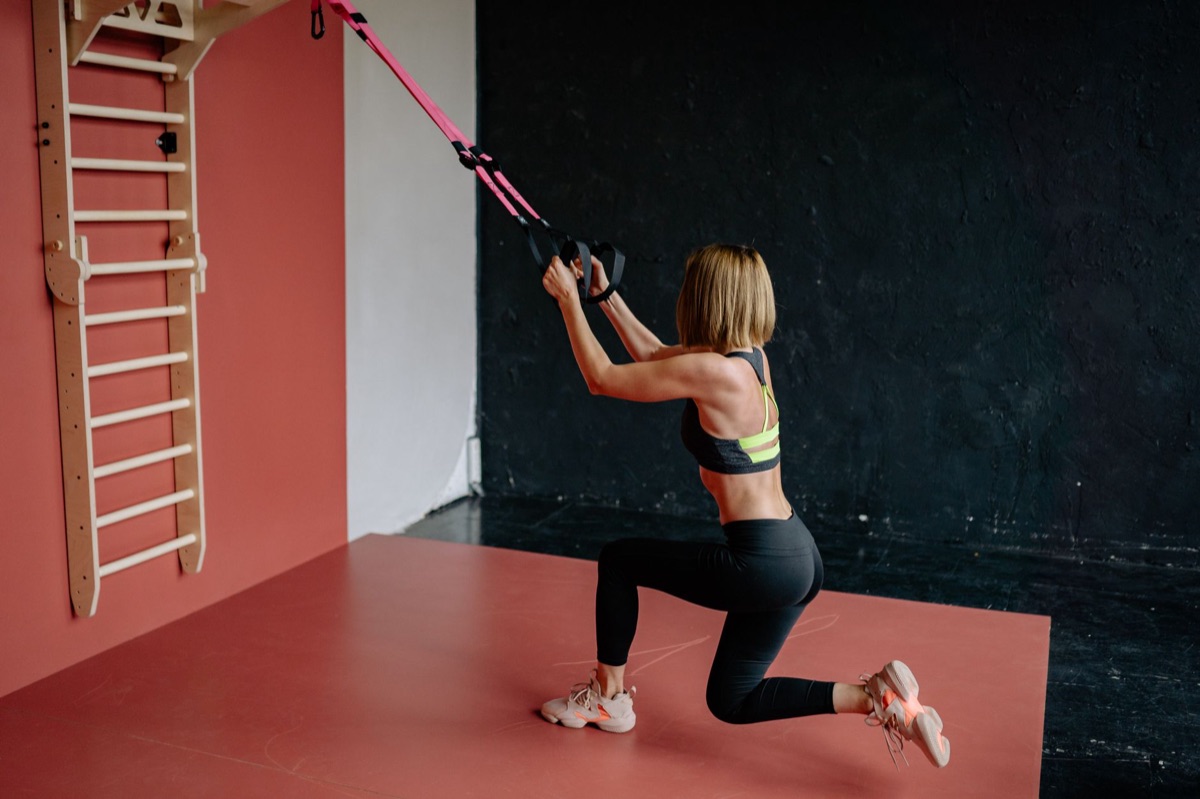
- Lunges: Step forward with one leg and lower your hips until both knees are bent at approximately a 90-degree angle. Keep your front knee aligned with your ankle.
When I tried this, I was surprised by how much more energy I had for my lifting sets compared to my old split routines. I realized that I should have focused more on my breathing technique during the initial weeks. However, the real magic happens when you step away from the mat.
How do I know if I am progressing?
After my final set of lunges, I lean against the wall, feeling the heat radiating from my legs. It is a good kind of tired, the kind that signals the body is adapting to a new demand.
According to Medical problems of performing artists (2012), the main effect condition was significant for all four variables in both x-axis and y-axis (p<0.001).
According to Sports biomechanics (2022), a 12-week training program for beginners can influence running kinematics and kinetics.
Growth doesn't happen during the workout; it happens while you rest. A 12-week training program for beginners improved running kinematics and reduced injury risk.
This highlights that consistency over several months is more important than any single intense session. To keep seeing results, follow these progression rules:
* Increase Volume: Every 2–3 weeks, try to add one extra repetition to each set or add an extra set to your routine. * Prioritize Rest: Include 1–2 full days of rest per week. This allows your muscle fibers to repair and grow stronger. * Monitor Fatigue: If you feel extreme exhaustion, take an extra rest day.
Note that this routine is intended for general fitness. It is not a substitute for medical rehabilitation or a specialized training program for competitive athletes. As of 2025, progressive overload is the fundamental driver of physiological adaptation.
In 2025, managing recovery through sleep and nutrition is just as vital as the training itself. As of 2025, consistent scheduling is more important than high-intensity bursts for long-term success. This strategy is less effective if you are currently recovering from a significant acute injury.
But there is one benefit you might not expect.
What is the secret benefit of core training?
I catch my reflection in the hallway mirror and notice how much more upright I am standing after a few weeks of consistent core work. My shoulders no longer slump forward as if I am constantly carrying a heavy invisible weight.
Training your core does more than just build "abs"; it stabilizes your entire frame. The main effect condition was significant for all four variables in both x-axis and y-axis.
This indicates that training affects movement across multiple planes of motion. Biomechanical variables, such as spine alignment, significantly affect performance and injury risk.
By practicing core engagement through planks and bird-dogs, you strengthen the muscles that hold you upright. To ensure you are getting these postural benefits, use these tips:
* Mirror Feedback: Perform your squats and push-ups in front of a mirror to ensure your spine stays neutral. * Core Awareness: Throughout the day, practice "zipping up" your core—lightly engaging your abdominal muscles as if preparing for a plank. * App Assistance: Use a smartphone camera to record a side view of your form, then compare it to instructional videos online.
- Identify your primary postural deviations through a mirror check.
- Incorporate targeted posterior chain exercises like face pulls or glute bridges.
- Practice mindful sitting and standing positions throughout the day.
- Monitor your progress by taking monthly photos from a side profile.






Comments 0