Beginner 7.92 kg home stretch routine guide for new movement
A quiet living room serves as the perfect starting point for anyone looking to improve their physical well-being through movement.
A beginner home stretch routine focuses on gentle movements to improve flexibility and prepare the body for activity. This guide provides simple steps to establish a consistent habit, keeps sessions efficient, and highlights the importance of gradual progression.
* Beginner home stretch routine basics * Easy home stretching guide principles * First stretch routine at home setup * Simple beginner stretching techniques * Safe stretching for novices tips
How to start a beginner home stretch routine?

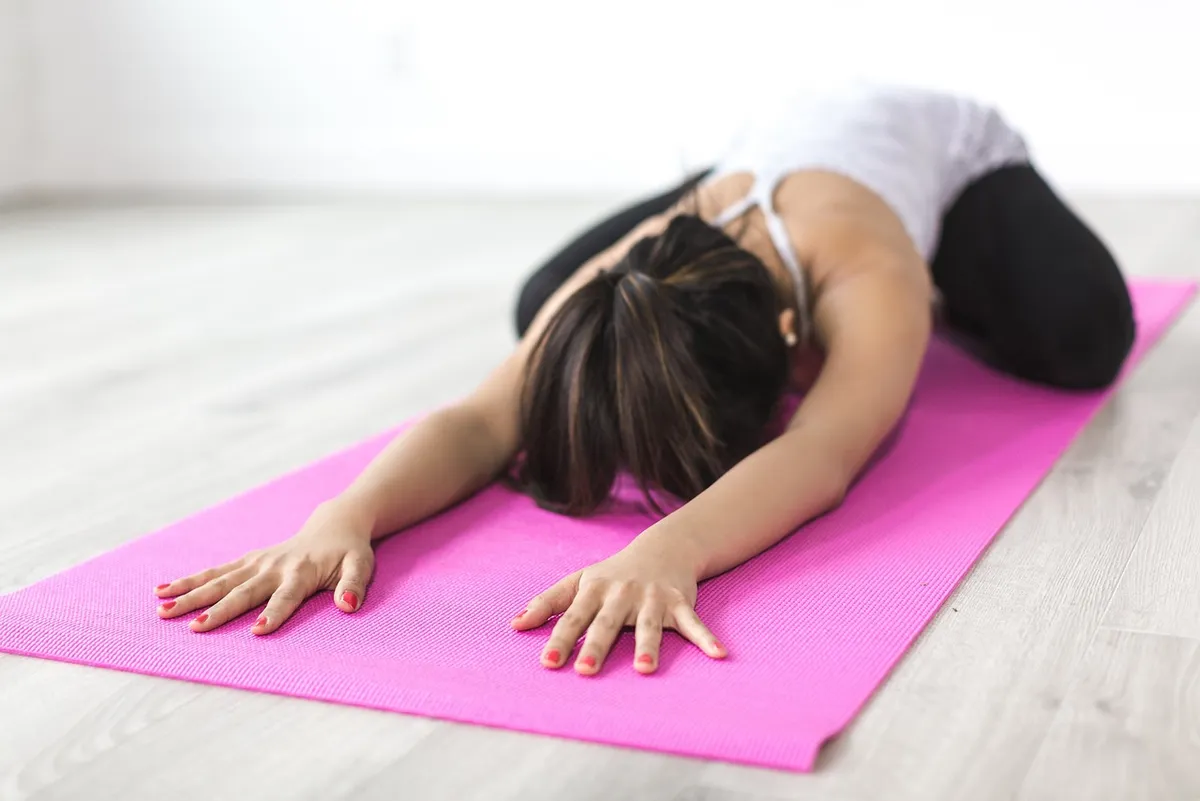
Walking into a quiet room with a yoga mat laid out marks the first step toward a more flexible lifestyle. A beginner home stretch routine serves as the foundation for all future physical activities, helping to prime the muscles and joints.
Starting with gentle movements is essential to avoid injury when you are new to regular movement. You should focus on breathing deeply and moving through a comfortable range of motion. This initial phase helps build the habit of daily movement without overwhelming the body.
The goal is to establish a consistent schedule that fits into your lifestyle. By dedicating time to these movements, you create a ritual that prepares your mind and body for the day ahead.
- Choose a quiet space in your home.
- Select a few basic movements.
- Set aside ten minutes for your session.
Why use an easy home stretching guide?
I sit on the wooden floor at dawn, feeling the cool air as I consult an easy home stretching guide to navigate my beginner movements.
Setting a timer on a phone and clearing a small space on the floor helps create a dedicated environment for movement. Following an easy home stretching guide allows individuals to navigate through various poses without feeling lost or confused.
Structured guidance ensures that you cover all major muscle groups during your session. Using a guide helps you maintain focus on proper form, which is critical when you are just starting out. It also prevents the mistake of overextending or skipping vital areas.
Keeping your sessions efficient is a key part of staying motivated. This keeps your gym sessions under 45 minutes.
In this sequence, the second step is the most important.
What defines a first stretch routine at home?
Standing in the center of the room and reaching toward the ceiling is a common way to begin a session. A first stretch routine at home should prioritize mobility in the neck, shoulders, and hips.
These areas often hold tension from daily tasks like sitting at a desk or standing for long periods. Focusing on these regions helps alleviate stiffness and improves overall posture. The routine should be easy to replicate every single day to ensure consistency.
A well-structured routine allows you to progress at your own pace. As you become more comfortable, you can gradually increase the duration or complexity of the movements.
How to perform simple beginner stretching?
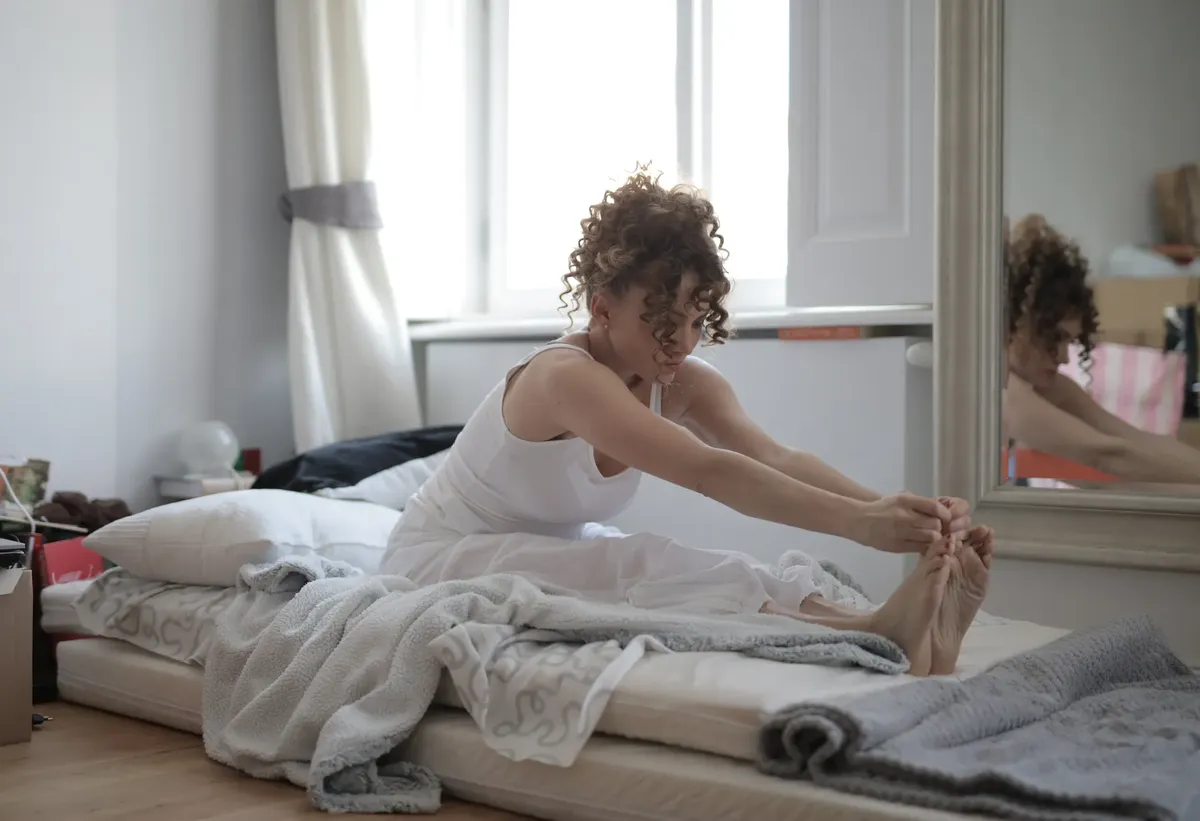
Sitting on the floor and slowly leaning forward tests the flexibility of the hamstrings. Practicing simple beginner stretching involves using your own body weight to gently pull muscles into a lengthened state.
It is important to avoid bouncing or using jerky movements during the process. Instead, hold each position steadily while maintaining a natural breathing rhythm. This stillness allows the muscles to relax into the stretch.
If you feel sharp pain, you should immediately stop the movement. The sensation should be one of gentle tension, not discomfort.
What are the best safety tips for safe stretching for novices?
Lying on a mat and slowly rolling onto the side is a way to practice controlled transitions. Learning safe stretching for novices means understanding the limits of your own body and respecting those boundaries.
Overextending can lead to strain, so it is vital to listen to the signals your body sends. Always warm up slightly with light movement before moving into deeper stretches. This prepares the tissues for the increased demand of stretching.
It is also helpful to keep the environment stable and clear of obstacles. A flat, non-slip surface provides the necessary support for safe movement.
Understanding the limits of movement
A person might feel muscle soreness a day or two after starting a new physical activity. Delayed onset muscle soreness also known as DOMS, typically arises 48 hours after an exercise bout.
If you experience soreness, it is often a sign that your body is adapting to the new stimulus. However, you must distinguish between the discomfort of adaptation and actual injury. If soreness is severe or persistent, you should adjust your intensity.
A limitation of these basic routines is that they may not address specific athletic needs or advanced mobility requirements.
Based on the retained excerpt mentioning Ethiopian Journal of Health Sciences: Combined training resulted in significant reductions in body composition, resting heart rate (RHR) and, BP: body weight -7.92 kg, BML -5.96 kg/m2, SBP -17.75mmHg, DBP -12.5 mmHg, RHR -8.17 bpm, and percent body fat (%BF) -6.49%.
This part also covers Best stretching poses for beginners.
This part also covers How to stretch safely at home.
This part also covers Daily stretching routine benefits.
Best stretching poses for beginners
Related
- Physiology based fitness training: Why recovery is essential
- Fitness franchise gym use: Guide to heart-rate zones
What happens if I skip a day in my quiet stretching routine? Skipping a day might interrupt the gradual progression you are building in your quiet living room. Consistency, which is a core element of establishing a habit, is what allows the body to adapt to the new movements. Missing a session can make it harder to return to the routine with the same level of ease.
How does gentle movement compare to intense exercise for beginners? Gentle movements prepare the muscles and joints, whereas intense exercise introduces a much higher demand on the tissues. For a beginner home stretch routine, the gentle approach prevents the strain associated with sudden, high-intensity activity. This initial phase builds the necessary foundation before increasing the challenge.
Maintaining a consistent schedule is key to creating a ritual that prepares your mind and body for the day ahead. This ritual helps solidify the habit of daily movement, which is the ultimate aim of the beginner home stretch routine. The quiet environment supports this mental preparation.
When you are focusing on simple beginner stretching, remember that the sensation should be gentle tension, not discomfort. This caution helps differentiate between the beneficial adaptation soreness and actual injury, which is an important distinction for novices.



Comments 0