Physiology based fitness training: Why recovery is essential
"The magnitude of VO2 peak increase after cardiorespiratory training has been suggested to reduce risk of stroke hospitalisation by approximately 7%."
A physiology based fitness training plan serves as a roadmap for individuals seeking to mitigate health risks through structured movement. This guide provides essential guidelines on weekly duration, intensity distribution, and recovery protocols to optimize physiological adaptation.

Key takeaways include adhering to specific weekly time targets, understanding the relationship between intensity and frequency, and incorporating recovery to maximize fitness gains.
How much weekly activity is required for health?
A person stands in a park, checking their watch to see if they have met their daily movement goals. Establishing a baseline for weekly volume is the first step in any systematic exercise training.
According to the Cochrane database of systematic reviews, the magnitude of VO 2 peak increase after cardiorespiratory training has been suggested to reduce risk of stroke hospitalisation by ˜7%.
This foundational requirement ensures that the body receives enough stimulus to trigger cardiovascular and metabolic adaptations.
For individuals with specific health goals, different timeframes may apply. For reducing the risk of health issues, 2.5 hours of moderate-intensity aerobic exercise per week is recommended. This provides a clear target for those aiming for long-term wellness through consistent movement.
However, the benefits may be limited if the intensity is too low to challenge the body.
What is the best way to balance intensity and frequency?
As I sprint across the track in the heat of noon, my heavy breathing signals the intense shift in my physiology.
A runner adjusts their pace on a treadmill, shifting from a steady jog to a rapid sprint. Understanding how to manipulate intensity and frequency is a core component of sports science fitness guide development.

If the exercise is done at a vigorous intensity, the training sessions only have to be performed 3–5 days a week for 20 to 60 minutes each session. This approach targets higher peak outputs but requires more recovery time compared to moderate efforts.
Conversely, exercise that improves cardiorespiratory fitness should be done 5–7 days a week for 30 to 60 minutes at a moderate intensity. This more frequent, lower-intensity approach allows for consistent engagement without overtaxing the central nervous system.
| Intensity Level | Weekly Frequency | Session Duration |
|---|---|---|
| Moderate Intensity | 5–7 days per week | 30 to 60 minutes |
| Vigorous Intensity | 3–5 days per week | 20 to 60 minutes |
I often find that balancing these two modes requires careful planning of the weekly calendar.
- Determine your baseline fitness level.
- Select an appropriate intensity for each session.
- Schedule rest days to prevent burnout.
How should recovery and flexibility be integrated?
A person stretches on a yoga mat after a long session, focusing on deep breathing and muscle lengthening. Proper recovery is an essential part of any exercise physiology coaching routine to prevent injury and promote growth.
Allowing 24 hours of recovery between aerobic and strength exercise leads to greater fitness. This separation prevents the interference effect, where conflicting physiological signals might hinder specific adaptations.
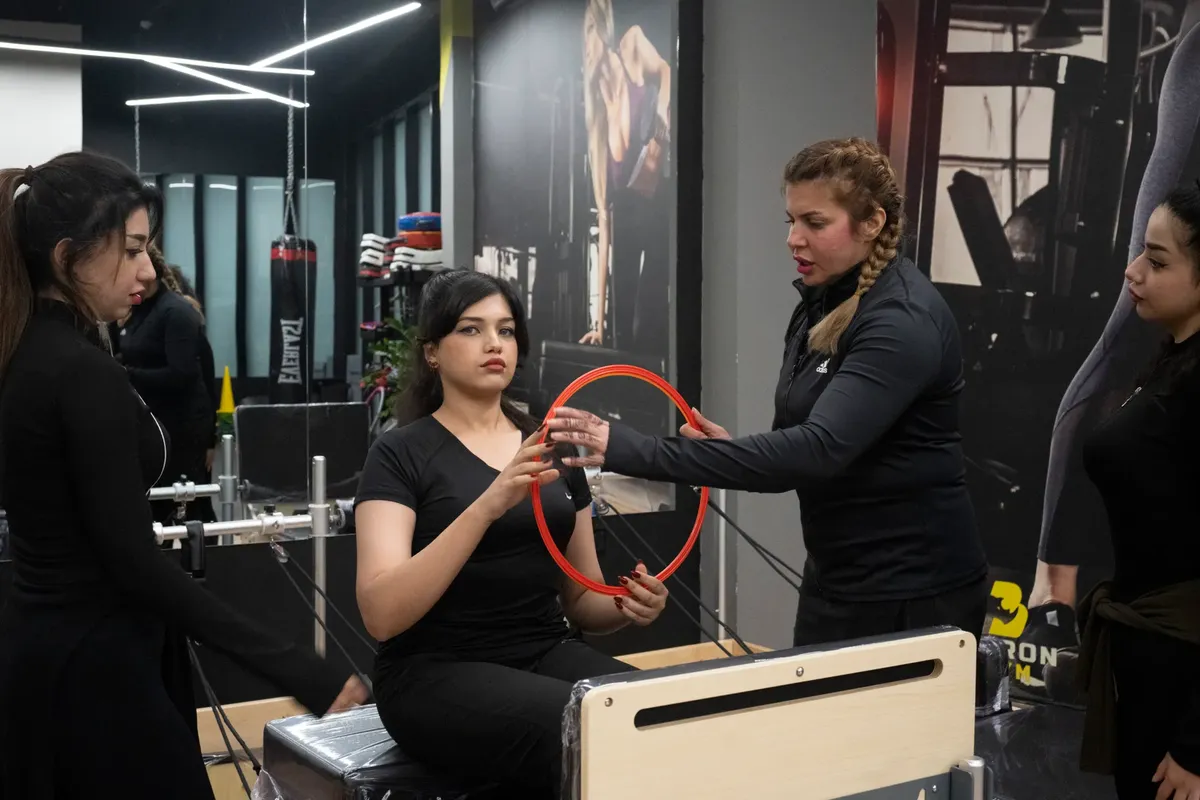
Flexibility should be trained for at least 10 minutes after a training session and should be done at least twice a week. Incorporating these stretching protocols ensures that mobility remains high as the body adapts to new physical demands.
In this sequence, the second step is the most critical.
How can daily targets be managed for busy schedules?
A professional checks their calendar, looking for small gaps of time to fit in a quick workout. For many, a structured fitness methodology must account for the realities of daily life and varying availability.
Diabetes Australia suggests 30 minutes of exercise daily as a suitable target, which can be divided into three 10-minute sessions throughout the day. This flexibility allows for consistent activity even when long, uninterrupted blocks of time are unavailable.
Even smaller windows of activity can yield benefits. Even doing an hour and a quarter (11 minutes/day) of exercise can reduce the risk of early death, cardiovascular disease, stroke, and cancer.
This approach does not apply to those with chronic injuries requiring medical supervision.
How do we address global inactivity trends?
A teacher looks at a classroom of students, noting the sedentary nature of modern life. Addressing the gap between current habits and physiological needs is a primary goal of applying exercise science to training.
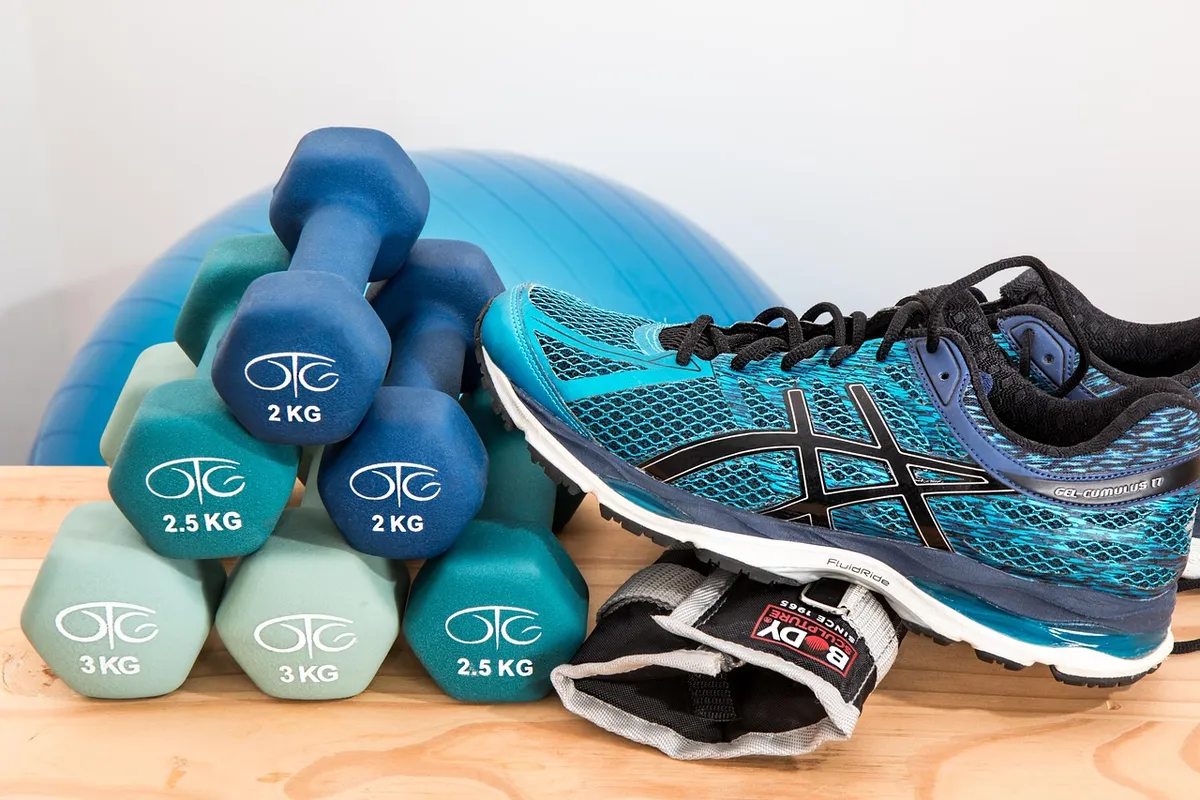
The scale of the problem is significant. According to the World Health Organization, over 31% of adults and 80% of adolescents fail to maintain the recommended levels of physical activity.
These trends highlight the necessity of personalized physiological fitness plans that bridge the gap between current activity levels and health requirements. Without structured intervention, the risk of lifestyle-related diseases remains high.
The second step in this process is the most time-consuming.
Physiology based fitness training
The subject here is Physiology based fitness training.
This part also covers Advanced fitness education methods.
Advanced fitness education methods
Related
- Fitness franchise gym use: Guide to heart-rate zones
- Trusted fitness media guide: How to Vet Fitness Content Best
What determines the magnitude of physiological change?
The magnitude of VO2 peak increase after training depends on the chosen intensity and frequency. If an individual selects vigorous intensity, they should perform sessions 3–5 days per week for 20 to 60 minutes. If they choose moderate intensity to improve cardiorespiratory fitness, they should perform sessions 5–7 days per week for 30 to 60 minutes.
How can one manage recovery between different types of exercise?
Recovery is managed by allowing 24 hours between aerobic and strength exercise to prevent interference. This separation ensures that conflicting physiological signals do not hinder specific adaptations. Additionally, flexibility training should be performed for at least 10 minutes after a session and at least twice a week to maintain mobility.








Comments 0