Trusted fitness media guide: How to Vet Fitness Content Best
"The evolution of fitness media reflects a shift from purely nutritional guidance to a diverse landscape of physical training and tracking technology."
A trusted fitness media guide requires understanding how content has shifted from dietary focus to active training over decades. This guide explores how to navigate changing editorial priorities and technological advances to find reliable information.
Key takeaways include recognizing the historical shift in coverage, understanding heart rate zones, and identifying the limitations of tracking technology.
How did editorial focus change over time?

A researcher flips through an old medical journal, noting the heavy emphasis on diet compared to modern training manuals. The historical shift in coverage shows that the ratio of nutrition to fitness coverage changed from 10:1 in 1970 to 0.75:1 in 1990, according to The Journal of adolescent health.
This shift represents a significant move toward physical activity within health literature. While nutrition coverage did not exhibit a net change over time, fitness coverage increased significantly. This historical context helps readers understand why modern media focuses so heavily on movement.
- Identify the original intent of the publication.
- Trace the shift from lifestyle advice to data-driven metrics.
- Analyze how modern technology influences current editorial priorities.
What does the history of fitness media tell us? Trusted fitness media guide
In the dim light of the office, the editor grips a stack of old magazines and reflects on the legacy of a trusted publication.
An editor reviews a stack of magazines, noting how some publications thrived while others disappeared during industry shifts. A reliable workout info source can be found by looking at how specific publications managed growth during downturns.

In 2009, Fitness posted significant ad page gains, increasing by 18.4% when overall magazine publishers' counts were down 27.9% industry-wide, according to the Publishers Information Bureau.
This specific growth suggests that specialized fitness content maintained a strong audience even when the broader magazine industry faced declines.
In this sequence, the second step is the most extensive.
How can we use heart rate zones for training?
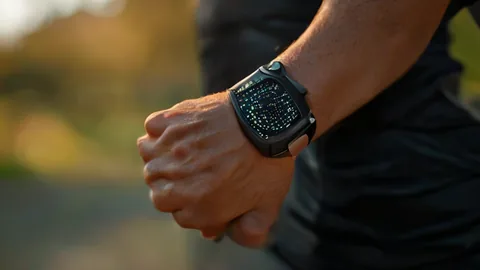
A participant adjusts their wearable device, checking the pulsing numbers against their programmed intensity levels. A digital fitness guide review often involves understanding how different intensity levels are categorized to prevent overexertion.
Training intensity is often categorized into color-coded zones to guide effort. The red zone represents 92–100 percent of a participant's maximum heart rate and is a period of extreme physical exertion.
The orange zone is 84–91 percent of an attendee's maximum heart rate and is when an attendee may reach EPOC.
Other zones provide different training stimulus: 1. The green zone is 71–83 percent of an attendee's maximum heart rate. 2. The blue zone is 61–70 percent of an attendee's maximum heart rate. 3. The grey zone is 0–60 percent of an attendee's maximum heart rate.

I once attempted to follow a high-intensity routine using these specific percentage targets to manage my energy.
How do we vet fitness content?
A reader scrutinizes a digital health article, looking for professional oversight and medical backing. Learning how to vet fitness content involves checking if specialized boards have reviewed the safety and efficacy of the protocols.
During a closure, the Orangetheory Fitness' Medical Advisory Board developed a plan for reopening. This illustrates how professional oversight can shape operational and instructional guidelines.
When looking for a reliable workout info source, checking for the presence of advisory boards can indicate a level of professional scrutiny.
What are the limitations of fitness trackers?
A cyclist pedals hard, but the digital display on their wrist shows a reading that does not match their actual effort. Understanding the evolution of exercise media requires recognizing that even advanced tracking has technical hurdles.
Certain movements of the user can distort the results obtained from fitness trackers. In a test conducted by Stiftung Warentest, products were unable to accurately track a bike ride, and the determined values for human energy transformation were erroneous.
This highlights that while technology provides data, it is not always a perfect reflection of physical reality.
How can we navigate digital health journalism?

A user scrolls through a health app, comparing different data visualizations and instructional videos. Engaging with journalism in digital health requires a critical eye toward how data is presented and interpreted.
The transition from print to digital has changed how we consume health advice.
A digital fitness guide review should always consider the context of the data provided.
The subject here is Trusted fitness media guide.
The same subject is also called Best health magazine tips.
The same subject is also called Fitness media history guide.
Related
- Console fitness game trends: How to improve with 150 minutes
- Fitness tracker evolution: Smart health with wearables guide
How can we interpret the evolution of fitness data?
Interpreting data requires comparing the recorded values against the actual physical effort being exerted. Because certain movements can distort results, users must exercise caution when comparing tracker readings to their perceived exertion levels.
When a user's movement causes erroneous values, the data may not accurately reflect human energy transformation. This comparison between digital readings and physical reality is a necessary caution for anyone using tracking technology during activities like bike rides.
What precautions should we take with heart rate zones?
Users should adjust their efforts to stay within the intended intensity levels to avoid overexertion. Comparing the current heart rate to the specific percentage targets of each zone helps in managing energy during a routine.
- Avoid the red zone if the goal is to prevent extreme physical exertion. 2. Monitor the orange zone if the objective is to reach EPOC. 3. Utilize the green, blue, or grey zones for lower intensity training stimulus.







Comments 0