Global fitness center model: Why integrate health hubs
"A state-of-the-art health and fitness centre represents the pinnacle of integrated facility design."
The global fitness center model relies on combining high-tech infrastructure with specialized programming to support peak performance. This guide explores how large-scale facilities expand and how specialized health hubs are integrated into industrial environments.
Key takeaways include understanding facility scaling, the launch of specialized performance hubs, and the importance of regulatory oversight in development.
How does a global fitness center model scale?
A technician walks through a vast, quiet hall where the scale of industrial production meets architectural precision. In 2011, the size of the centre was doubled after a second building, the 34,500 m2 (371,000 sq ft) McLaren Production Centre, was built.
According to the Production Centre, the size of the centre was doubled in 2011 following the construction of a second building, the 34,500 m2 (371,000 sq ft) McLaren Production Centre.
This expansion demonstrates how physical space must grow to accommodate increasing operational needs.
Such growth requires careful planning to ensure that new structures integrate with the original purpose of the facility.
This expansion illustrates the necessity of space for both production and the support of personnel.
- Standardize operational protocols across all locations.
- Implement centralized digital management systems.
- Establish a localized recruitment and training framework.
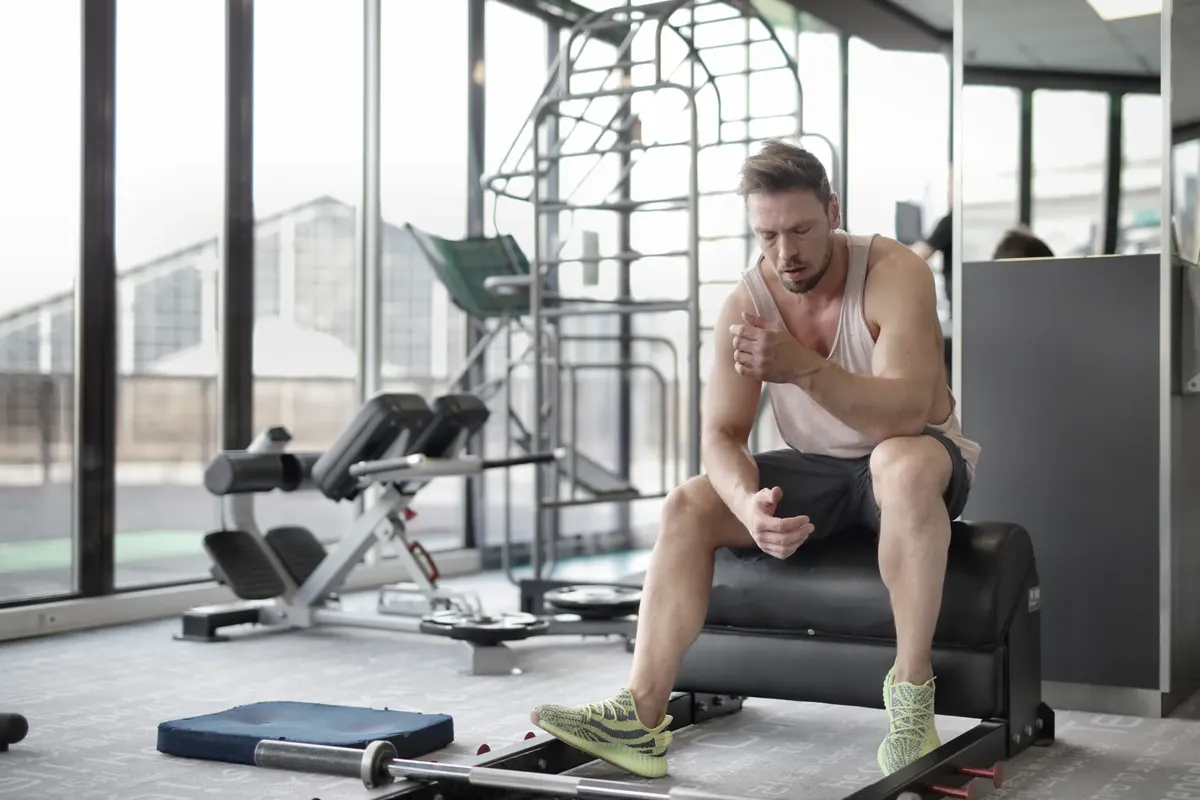
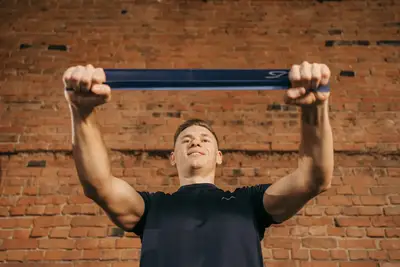
What makes a health and fitness center state-of-the-art? An athlete enters a sleek, modern facility filled with specialized equipment designed for high-performance training. In 2024, the Optimum Nutrition McLaren Performance Hub, a "state-of-the-art health and fitness centre," was launched at the Technology Centre.
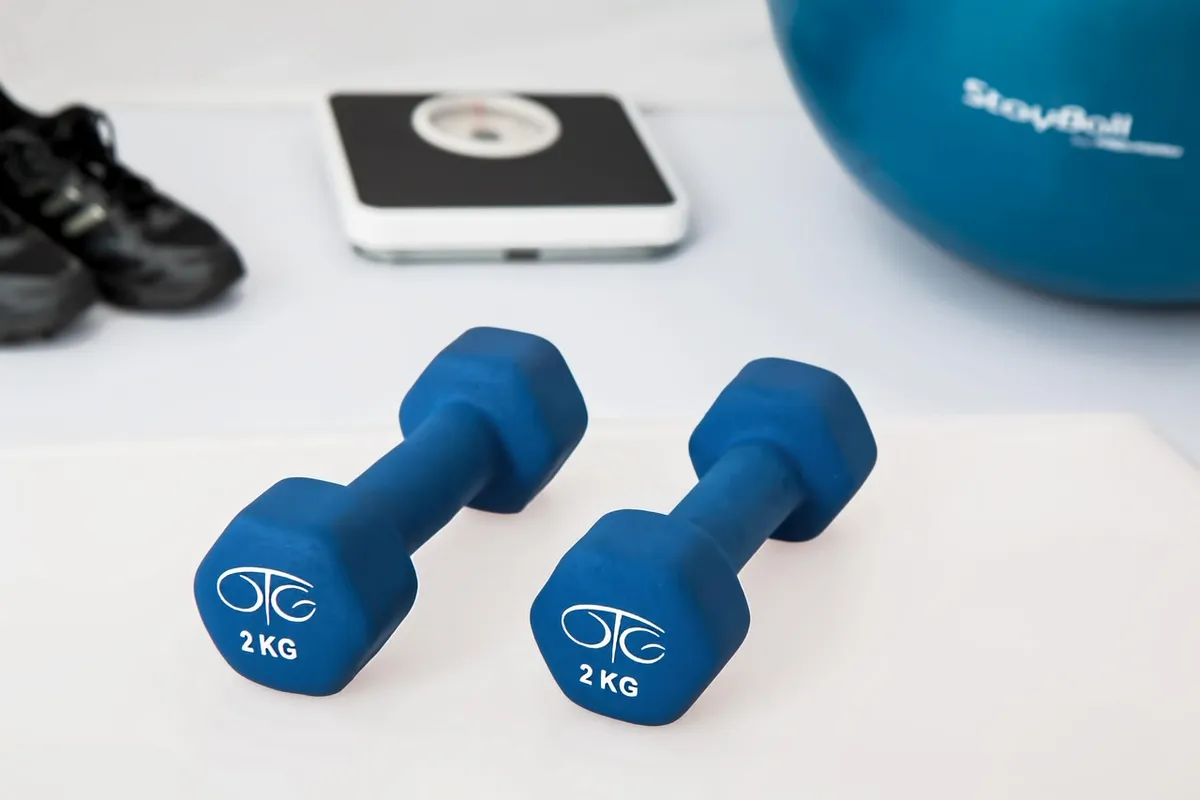
This hub provides a dedicated space for health and fitness within a larger industrial context.
The launch of the Optimum Nutrition McLaren Performance Hub signifies a move toward specialized wellness environments. These hubs aim to support the physical requirements of a professional workforce through modern equipment and targeted training.
Integrating such a facility into a technology center provides a unique environment for maintaining peak physical condition.
In this sequence, the second step is the most extensive.
How are large-scale industrial developments managed?
A planning official reviews blueprints for a massive site located near a protected natural area.
McLaren's original application to build a new headquarters was made in 1995 and was unopposed by Woking Borough Council, however the development of such a large industrial site in green belt land led the Department of the Environment to order a public inquiry.
This historical context shows the complexities of large-scale facility planning.
The Department of the Environment's involvement highlights the tension between industrial growth and environmental preservation. Navigating these regulatory hurdles is a critical part of the fitness center expansion process.
Successful projects must balance technical needs with the requirements of local governing bodies and environmental protections.
How can specialized exercise environments encourage participation?
A group of runners gathers at a local park to prepare for a weekly community event. A partnership covered more than 500 weekly 5 km events across both countries and aimed to encourage women’s participation in regular exercise.
This type of outreach demonstrates how structured events can drive engagement.
The goal of such partnerships is to create accessible opportunities for regular exercise through organized community events. By providing consistent schedules and inclusive programming, these models can effectively increase participation rates among diverse groups.
Such initiatives bridge the gap between professional-grade facilities and community-based fitness.
What are the limits of specialized fitness environments? A medical professional reviews a patient's health history before clearing them for a specific physical activity. The development of such a large industrial site in green belt land led the Department of the Environment to order a public inquiry.

According to The European Diving Technology Committee, epilepsy is considered a contraindication to occupational diving, though an expert may assess a diver for fitness if they have been seizure-free for ten years without treatment.
This specific historical context serves as a reminder that land use and regulatory constraints can impact the scope of facility development.
The complexity of industrial and environmental regulations can limit how much a facility can expand or change its use. While modern hubs offer advanced training, they are still subject to the legal and environmental frameworks of their locations.
Related
- How can sleep data analysis improve fitness?: 7 hours
- Fitness game home workout: Improve fitness with 360 movement





Comments 0