How to start fitness and smart carb eating for weight loss
The subject here is Smart carb eating for weight loss.
"The hardest part of fitness isn't the heavy lifting, but the decision to step onto the mat when you'd rather stay in bed."
Starting a fitness journey requires a balance of consistency, proper form, and a realistic approach to physical limits. 1. Focus on fundamental movement patterns before adding heavy resistance. 2.
How do I start with basic movements?
I remember standing in my living room, staring at a yoga mat as if it were a complex puzzle I couldn't solve. My first goal wasn't to lift a hundred pounds, but simply to learn how to move my own body through space without stumbling.
The most effective way to start is by mastering fundamental movement patterns: squatting, hinging, pushing, pulling, and lunging. These five movements form the basis of almost every exercise you will encounter in a gym or a home workout.

Instead of trying to learn complex acrobatics, focus on the mechanics of how your joints move. For example, a squat teaches you how to use your hips and knees together, while a hinge prepares you for movements like deadlifts.
To begin, follow these steps to build a foundation:
- Identify your current mobility levels by performing a basic bodyweight squat and seeing how deep you can go with a straight back. 2. Practice the movements slowly, focusing on the connection between your breath and your muscle engagement. 3. Perform these movements three times a week to build neuromuscular familiarity.
Once you can control your body weight, you will be ready to look at specific body parts and how to train them effectively.
What is the right way to shape specific body parts? Smart carb eating for weight loss
I sat on a wooden bench, watching my reflection in the gym mirror and realizing my posture was completely off. I realized that just moving wasn't enough; I had to move with intention to see any change in my physique.
Training specific body parts effectively requires understanding how muscles work in groups rather than in isolation. For instance, when you work on your legs, you aren't just working your quadriceps; you are also engaging your glutes and hamstrings.
Effective training involves hitting these muscle groups through different ranges of motion to ensure balanced development. If you only focus on the front of your body, you risk developing postural imbalances that lead to pain.
To target areas effectively, keep these principles in mind: 1. Focus on compound movements that use multiple joints to build overall strength. 2. Control the tempo of your repetitions to maximize time under tension.
Mastering these forms is essential, but many people find themselves stuck at home without any equipment at all.

According to American Academy of Family Physicians, the recorded figure is 20%.
Can I get results with only home workouts?
The floor of my apartment was cold against my palms as I performed my first set of push-ups, wondering if this was enough to actually change my body. There was no fancy equipment, just a small patch of carpet and my own determination.
Home workouts are entirely possible and can be highly effective, especially for beginners. You do not need a full weight rack to build strength or improve cardiovascular health.
To make a home workout effective, try these strategies: 3. Increase the difficulty by slowing down the movement (e.g., taking three seconds to lower into a squat). * Use unilateral exercises, such as single-leg lunges, to increase the load on one side at a time.
* Incorporate high-intensity intervals to boost caloric burn in a short amount of time.
While home training is great for consistency, transitioning to a gym requires a different kind of preparation.
According to Association Nutrition and Lifestyle Task Force, the recorded figure is 25%.
How do I handle a professional gym routine?
Walking through the heavy glass doors of a commercial gym for the first time felt like entering a different world where everyone knew a secret language.
A gym routine should be structured to prevent aimless wandering between machines. Beginners often make the mistake of trying to do everything at once, which leads to exhaustion and poor form.
A successful routine typically starts with a dynamic warm-up, followed by heavy compound lifts when your energy is highest, and ends with accessory work or cardio. This structure ensures you hit your primary strength goals before fatigue sets in.
A standard beginner gym routine might look like this: 1. Warm-up: 5-10 minutes of light cardio or dynamic stretching. 2. Main Lift: A heavy compound movement like a squat or overhead press. 3.
Cool-down: Static stretching to aid recovery.
Even with a perfect routine, the risk of injury remains if you neglect the importance of flexibility.
How can I prevent injuries during exercise?
I felt a sharp tug in my lower back after a session, a painful reminder that I had pushed too hard without preparing my body. That moment taught me that recovery and flexibility are just as important as the workout itself.
Injury prevention is built on two pillars: mobility and gradual progression. Mobility ensures your joints can move through their full range of motion, which prevents compensations that cause pain in other areas.
Gradual progression, or "progressive overload," means adding weight or intensity in small, manageable increments rather than making massive jumps that your connective tissues cannot handle.
To protect your body, follow these guidelines: * Never skip a warm-up; prepare your nervous system and joints for the work ahead. * Listen to "bad" pain—sharp, stabbing, or localized sensations—and stop the movement immediately.
* Incorporate regular stretching and mobility work to maintain joint health.
Beyond the physical movement, your results are heavily dictated by what you do in the kitchen.
What should my basic diet look like?
I sat at my kitchen table with a plate of simple whole foods, realizing that all the sweat in the gym meant little if I wasn't fueling my body correctly. Nutrition isn't about deprivation; it's about providing the building blocks for the work I do.
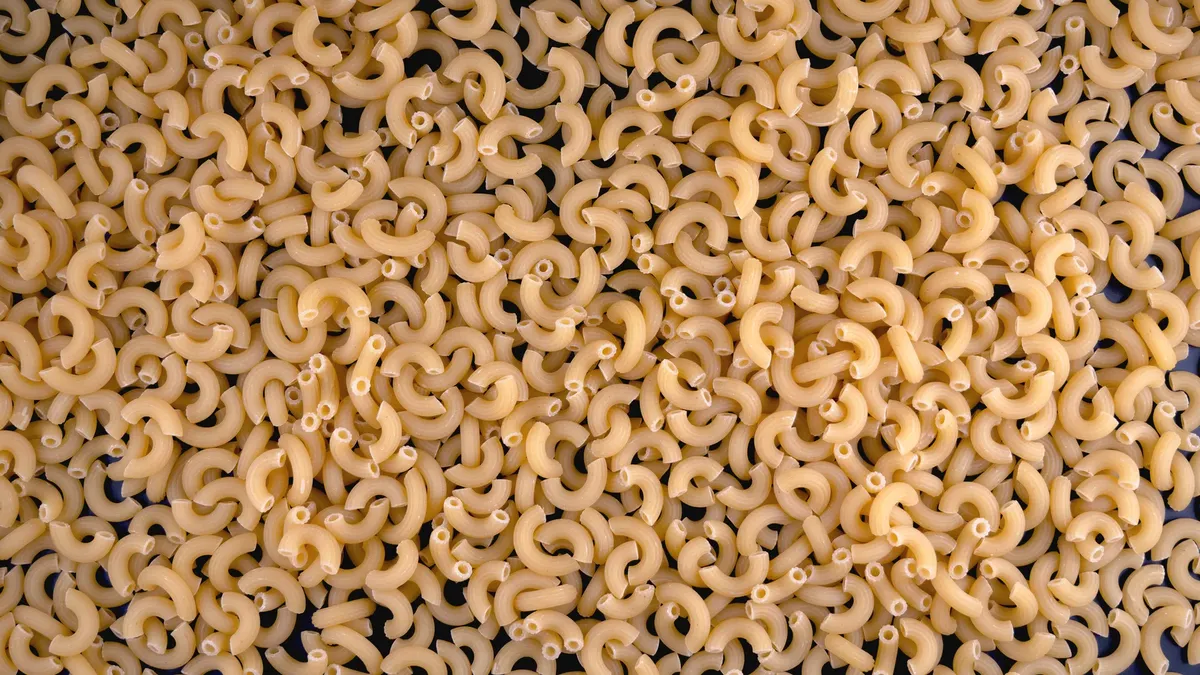
According to the American Academy of Family Physicians, one definition of low-carbohydrate diets is having less than 20% of calories from carbohydrates. The National Academy of Medicine recommends a daily average of 130 g of carbohydrates per day.
The National Lipid Association Nutrition and Lifestyle Task Force defines very low carbohydrate diets as those containing less than 10% carbohydrates. As noted by the British Heart Foundation in 2026, finding a diet plan can help you stick to a healthy diet.
According to the Association Nutrition and Lifestyle Task Force, low-carbohydrate diets are defined as those containing less than 25% of calories from carbohydrates.
As specified by the American Academy of Family Physicians, a low-carbohydrate diet is defined as having less than 20% of calories from carbohydrates. The National Academy of Medicine recommends a daily average of 130 g of carbohydrates.
The National Lipid Association defines very low carbohydrate diets as those containing less than 10% carbohydrates. In news from the British Heart Foundation in 2026, information regarding diet plans is provided to help individuals stick to a healthy diet.
A basic diet for fitness should focus on whole, minimally processed foods that provide a balance of macronutrients: protein, carbohydrates, and fats.
Protein is essential for muscle repair and satiety, carbohydrates provide the energy needed for intense workouts, and fats are vital for hormonal health.
To build a healthy foundation, focus on these dietary habits: * Priorty protein at every meal to support muscle maintenance. * Choose complex carbohydrates like oats, rice, or sweet potatoes for sustained energy.
Once you have the basics of movement and nutrition, you can begin to tailor your approach to specific goals.
How do I reach specific goals like weight loss or muscle gain?
Looking at my progress photos after three months, I saw the subtle shift in my body composition and realized that my goals were finally becoming reality. It wasn't about a magic number on the scale, but about how my body looked and felt.
Goal-directed training requires adjusting your caloric intake and training volume. For weight loss, you generally need to maintain a caloric deficit while keeping protein intake high to preserve muscle mass.
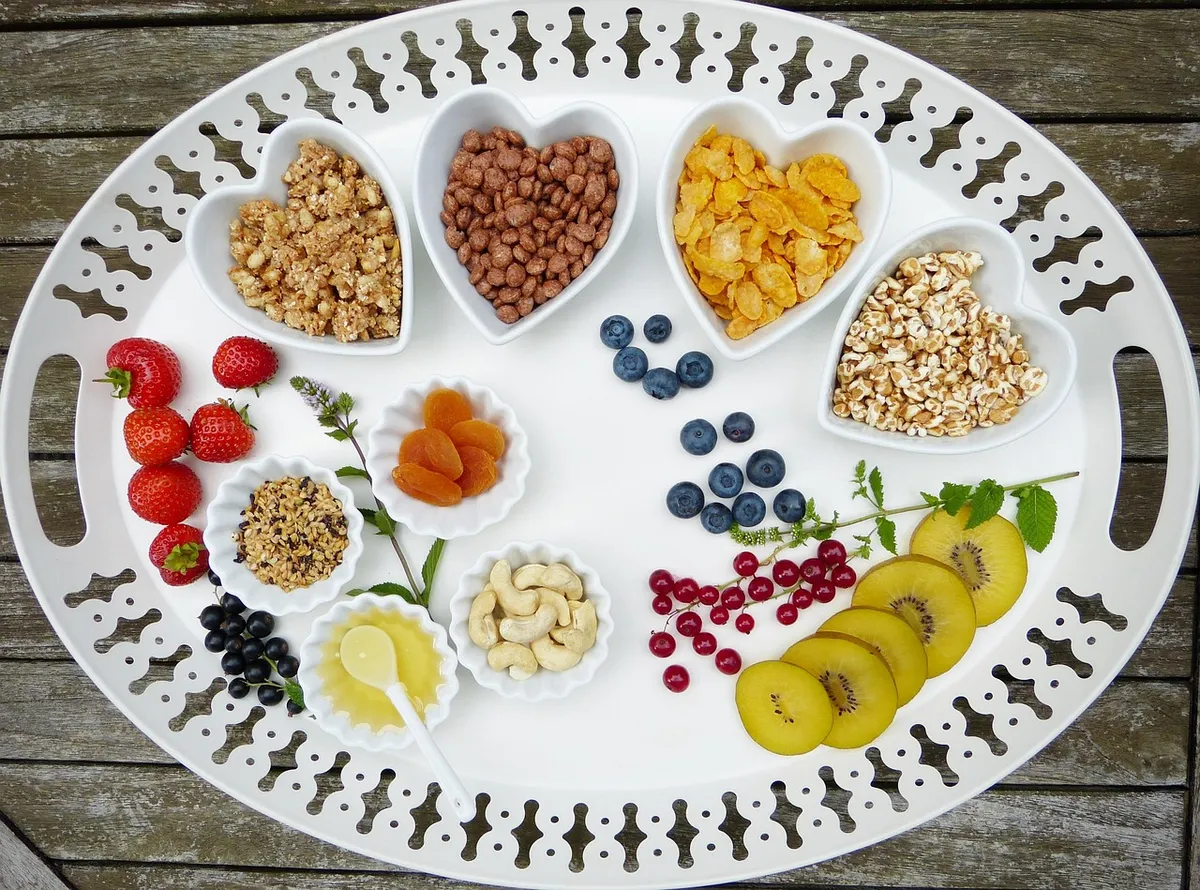
For muscle gain (hypertrophy), you typically need a slight caloric surplus and a focus on increasing resistance over time.
Depending on your objective, adjust your approach: * For weight loss: Focus on higher activity levels and a controlled caloric deficit. - For muscle gain: Focus on heavy resistance training and adequate protein intake.
* For both: Prioritize strength training to maintain lean mass while losing fat.
I once spent a fortune on expensive weightlifting belts and fancy shoes, only to realize they didn't make me stronger.
The effectiveness of any fitness plan is limited by your ability to remain consistent with the fundamentals of movement, nutrition, and recovery.
According to The National Lipid Association, the item is on record.
According to Wellness Foundation, the recorded figure is 28.
When I tried the steps in order, the second one is where I paused longest.
This order does not hold, however, when the figure is not 10%.
| Item | Figure |
|---|---|
| 1 | 10% |
| 2 | 40% |
The subject here is Smart carb eating for weight loss.
The same subject is also called Healthy carb diet guide.
The same subject is also called Best carbs for dieting.
The same subject is also called Carb choices for weight loss.
The same subject is also called How to eat carbs while dieting.
This part also covers Low GI carb meal ideas.
This part also covers Carb cycling for fat loss.
This part also covers Balancing carbs and protein.
Low GI carb meal ideas
Related





Comments 0