Console fitness game trends: How to improve with 150 minutes
"The intersection of digital engagement and physical activity has transformed the living room into a personal gym."
The evolution of fitness game trends shows how specialized hardware turned gaming into an active pursuit. This guide explores the history of motion-based gaming and provides practical advice for integrating these digital routines into a healthy lifestyle.
Key takeaways include understanding the history of motion peripherals, adhering to cardiovascular guidelines, and managing the balance between digital play and physical health.
How did the history of fitness game evolution begin?
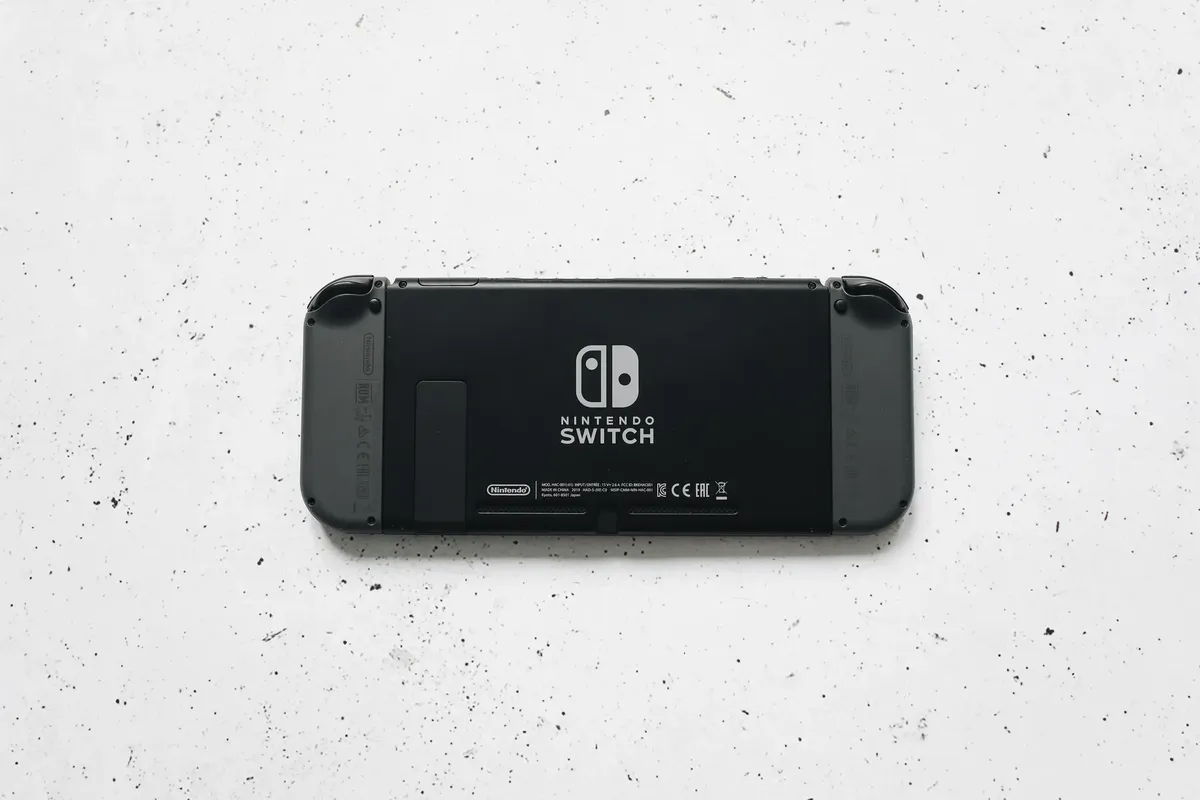
A player stands in a quiet living room, stepping onto a specialized platform to begin a session. In late 2007, Nintendo released Wii Fit, which utilized a new peripheral, the Wii Balance Board.
This era marked a significant shift in how users interacted with digital environments through physical movement.
The introduction of such hardware allowed for a new type of engagement where the user could virtually be in the game while allowing 360 degrees of movement. This immersive capability turned a stationary activity into a dynamic physical experience.
By moving the body to interact with the screen, players engaged in more than just passive observation.
The development of these systems paved the way for more complex digital exercise routines used today. Early motion sensors set the stage for modern sensors that track precise movements. Understanding this history helps players appreciate the technological leaps required to make home workouts viable.
- Early arcade machines introduced basic movement-based gameplay.
- Home consoles brought motion-sensing technology into living rooms.
- Mobile applications integrated fitness into daily handheld use.
What are the best at home cardio routines for health?
At dawn in the humid bedroom, he wiped sweat from his brow while staring intensely at the glowing console screen.
A person wipes sweat from their forehead while checking a timer on a screen.
According to the Association recommends at least 150 minutes, the American Heart Association recommends at least 150 minutes of moderate-intensity aerobic exercise or 75 minutes of vigorous-intensity aerobic exercise per week to improve cardiovascular fitness and reduce the risk of cardiovascular disease.

To maintain cardiovascular health, the American Heart Association recommends at least 150 minutes of moderate-intensity aerobic exercise or 75 minutes of vigorous-intensity aerobic exercise per week to improve cardiovascular fitness and reduce the risk of cardiovascular disease.
These targets provide a baseline for anyone using gaming to stay active.
Using a console for exercise requires careful planning to meet these physiological needs. For those seeking a console fitness game guide, the focus should be on alternating between high-intensity bursts and sustained moderate movement. This mimics the variety found in traditional gym workouts.
Effective home workout plans often incorporate these varied intensities to prevent plateaus. By following the weekly minute requirements, users can ensure their gaming sessions translate into genuine health benefits. Regularity is the most important factor in achieving these goals.
In this sequence, the second step is the most intensive.
How can I implement effective home workout plans?
At dawn, she wiped sweat from her forehead while staring intensely at the glowing console screen.
A user adjusts their stance on a mat before starting a high-energy digital session. Integrating these activities into a daily schedule requires a structured approach to ensure consistency.
- Select a game that matches your current fitness level to avoid injury. 2. Schedule specific time blocks each week to meet the 150-minute moderate-intensity goal. 3. Perform a final check of your physical environment to ensure safe 360-degree movement.

I once tried to jump into a high-intensity session without clearing enough space, which nearly caused a trip over a rug. This taught me that setup is just as important as the workout itself.
A limitation of using gaming for fitness is that the intensity is often limited by the specific software's programmed movements, which may not always meet the vigorous-intensity requirements suggested for cardiovascular health.
What are the benefits of digital exercise routines?
A person finishes a session and feels a sense of accomplishment from the digital score. Digital exercise routines offer a unique way to gamify physical effort, making it easier to stay motivated.
The American Heart Association recommends at least 150 minutes of moderate-intensity aerobic exercise or 75 minutes of vigorous-intensity aerobic exercise per week to improve cardiovascular fitness and reduce the risk of cardiovascular disease, according to The American Heart Association.
The primary benefit is the engagement provided by the interface. Unlike traditional weights, the feedback from a game can provide immediate gratification. This can help individuals who find traditional gyms intimidating to stay consistent with their movement.
While the engagement is high, the focus should remain on the physical output. Using these tools to supplement a lifestyle rather than replace all other forms of movement is a wise strategy. The digital aspect serves as the catalyst for the physical work.
How does the industry view these technological advancements?
A researcher looks at a collection of vintage consoles in a museum setting. The recognition of gaming as a significant cultural and technological achievement is evident in how institutions treat the medium.
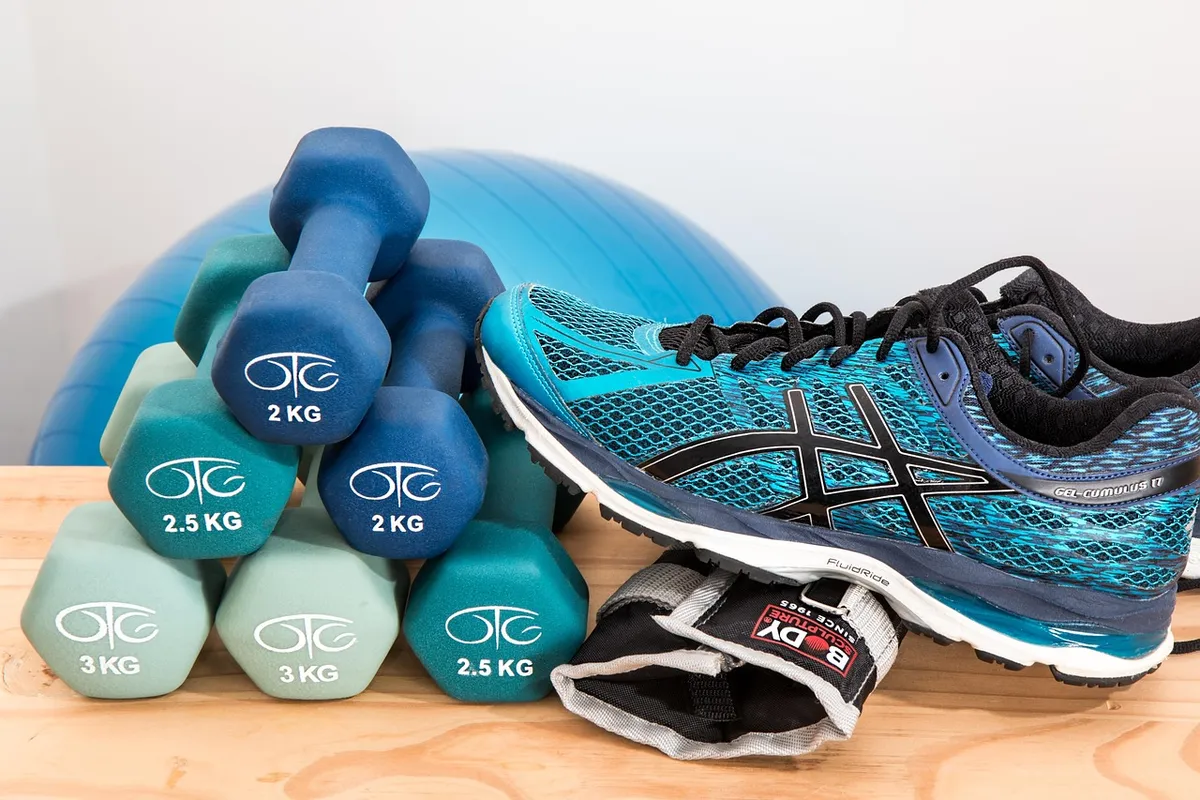
According to the Entertainment Merchants Association, the organization in 2011 ruled video games were a protected form of art, a key victory for the video game industry.
The Museum of Modern Art has added a total of 20 video games and one video game console to its permanent Architecture and Design Collection since 2012. This recognition highlights the complexity of the software and hardware that drives modern interactive experiences.
As technology progresses, the line between gaming and fitness tools continues to blur. The tools used to play are becoming more integrated with health tracking. This evolution ensures that the industry continues to innovate in both entertainment and wellness.
Related
- Fitness tracker evolution: Smart health with wearables guide
- Global fitness center model: Why integrate health hubs
What are the conditions for successful digital engagement in fitness? Successful digital engagement relies on matching the game's complexity to the user's current physical capability. A user must select a game that aligns with their existing fitness level to prevent potential injury during play. Furthermore, ensuring adequate space for full 360-degree movement is a necessary precaution before initiating any high-energy digital session.
The intersection of digital engagement and physical activity demands a balanced approach to maintain long-term health. Users should view these gaming tools as supplements to a broader movement routine, rather than as a complete replacement for varied physical activity.
This perspective supports the goal of overall wellness.
Adhering to the established cardiovascular guidelines provides a necessary benchmark for judging the effectiveness of the digital workouts. The comparison between the game's programmed intensity and the recommended moderate or vigorous aerobic activity must be considered when planning sessions.
This ensures the digital effort contributes meaningfully to health outcomes.






Comments 0