Gamified Fitness: 4 Ways to Break Traditional Workout Walls
"Can sitting on a couch actually be the start of an active lifestyle?"
Fitness games transform the traditional idea of a workout by using motion-tracking technology to turn digital play into physical exertion. By shifting the focus from fatigue to fun, these games bypass the mental resistance that often stops beginners from starting a routine.
* The Shift from Sedentary to Active: Motion-tracking bridges the gap between digital play and physical exertion. * Gamification as Motivation: Feedback loops bypass the mental resistance felt during traditional workouts. * The Science of Movement Proficiency: Interactive games improve motor skills ands coordination through real-time feedback. * Accessibility for Beginners: Gamified movement lowers the barrier to entry for those intimidated by traditional gym environments.

How do fitness games change our perception of "exercise"?
At 6:30 PM on a Tuesday, I sat on my living room rug, staring at a screen while my heart hammered against my ribs. My living room was dark except for the neon glow of the television, and my breath came in heavy, rhythmic puffs. I wasn't at a gym, but I was working harder than I had in months.
The traditional stereotype suggests that exercise must be a grueling, hour-long session at a local fitness center to be considered "valid." This mindset often creates a wall of resistance for beginners.
Fitness games shatter this idea by introducing "stealth exercise." When the objective is to defeat a boss or clear a level, the user focuses on the digital goal rather than the physical fatigue.
This mental shift allows people to accumulate significant physical activity without the psychological weight of a "workout."
In these environments, the traditional mental load of counting reps and sets is replaced by digital feedback. Instead of wondering if you did enough, the screen tells you exactly how you performed. This immediate gratification turns the living room into an interactive training ground.
By using sensors and cameras, the technology ensures that the movement is the game, making the physical effort a byproduct of play.
But there is a deeper connection between how we move in a game and how we move in real life.
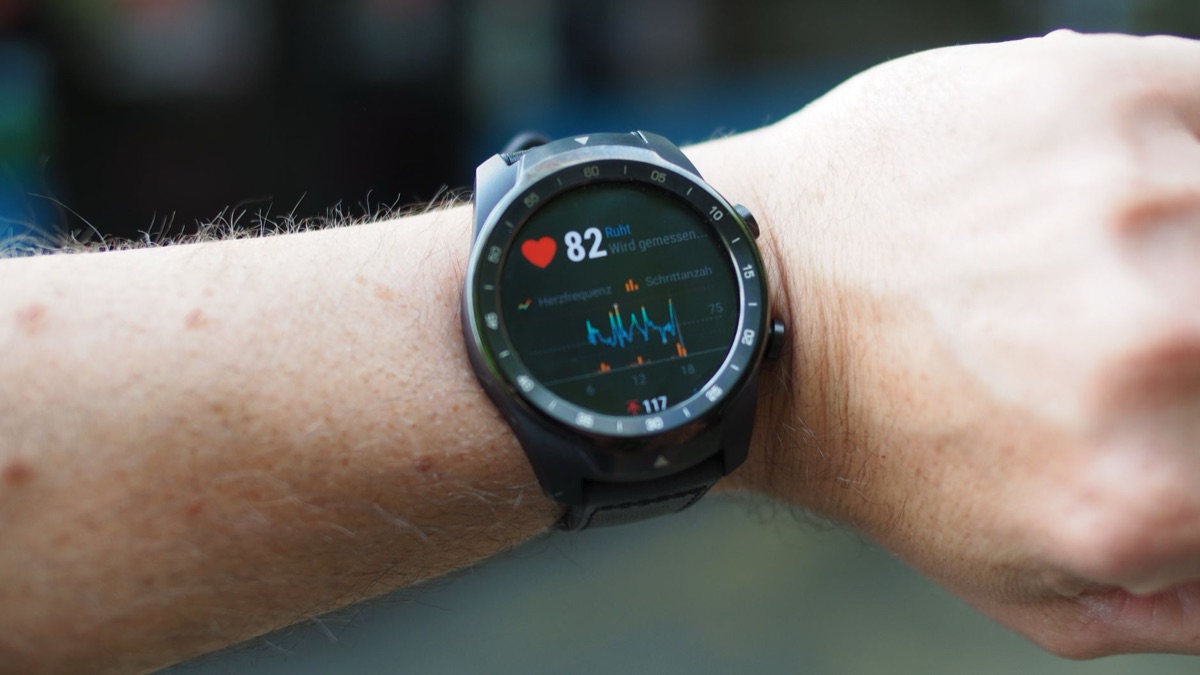
How does motion-tracking technology drive physical engagement?
A teenager stands in front of a sensor in a brightly lit bedroom, reaching out to catch a virtual object. The movement is fluid, precise, and much faster than the clumsy movements of a week ago. The connection between the digital score and the physical body is seamless.
The core of this engagement lies in the correlation between skill and movement. Research has shown that proficiency in gaming tasks is closely linked to physical coordination.
For instance, a study in *Human movement science* (204) observed significant correlations between MABC-2 aiming and catching percentile and exergame javelin and target kick, noting that more proficient movers tended to perform better in the exergame.
This suggests that the more someone masters the game's mechanics, the more they refine their physical movement patterns.
The technology creates a continuous loop of engagement through several factors: * Real-time Biometric Feedback: Sensors track accuracy, creating a constant loop of movement.
* Engagement through Challenge: Dynamic difficulty scaling prevents the "plateau effect" common in static home workouts. * The "Flow State": The immersion of gaming keeps users moving longer than they would during a standard, repetitive routine.
By keeping the user in a state of "flow"—where the challenge perfectly matches their ability—the technology prevents the boredom that often leads to quitting a fitness habit.
However, for those just starting, the transition from a controller to a physical routine requires a specific approach.
How can beginners use fitness games to build a foundation?
Walking into a massive weight room for the first time can feel like stepping onto an alien planet. The stares, the complex machines, and the heavy weights can be paralyzing. A beginner picks up a controller instead, feeling the immediate relief of a low-stakes environment.
For those starting from zero, the goal is to build consistency without burnout. Because the "play" aspect reduces the psychological friction of starting, it is an ideal gateway to an active lifestyle. Here is how to integrate these games into a foundational routine:
- Select the Right Platform: Choose a game or console that matches your current mobility levels. If you have limited space, look for games that emphasize standing or seated movements.
- Set Short "Play Sessions": Instead of aiming for an hour, start with 15–20 minute sessions. This builds the habit of daily movement without overwhelming the body.
- Focus on Coordination: Use the games to improve balance and hand-eye coordination. This builds the "movement literacy" needed for more advanced exercises later.
- Scale Intensity: As the game's difficulty increases, your physical capacity will follow. Use the game's natural progression to gradually increase your heart rate.
The virtual environment allows for "safe exploration." You can learn how your body moves and how to control your balance without the fear of being judged by gym-goers. This builds the confidence necessary to eventually transition to more traditional physical activities.
But if you aren't careful, the pursuit of a high score can lead to physical setbacks.
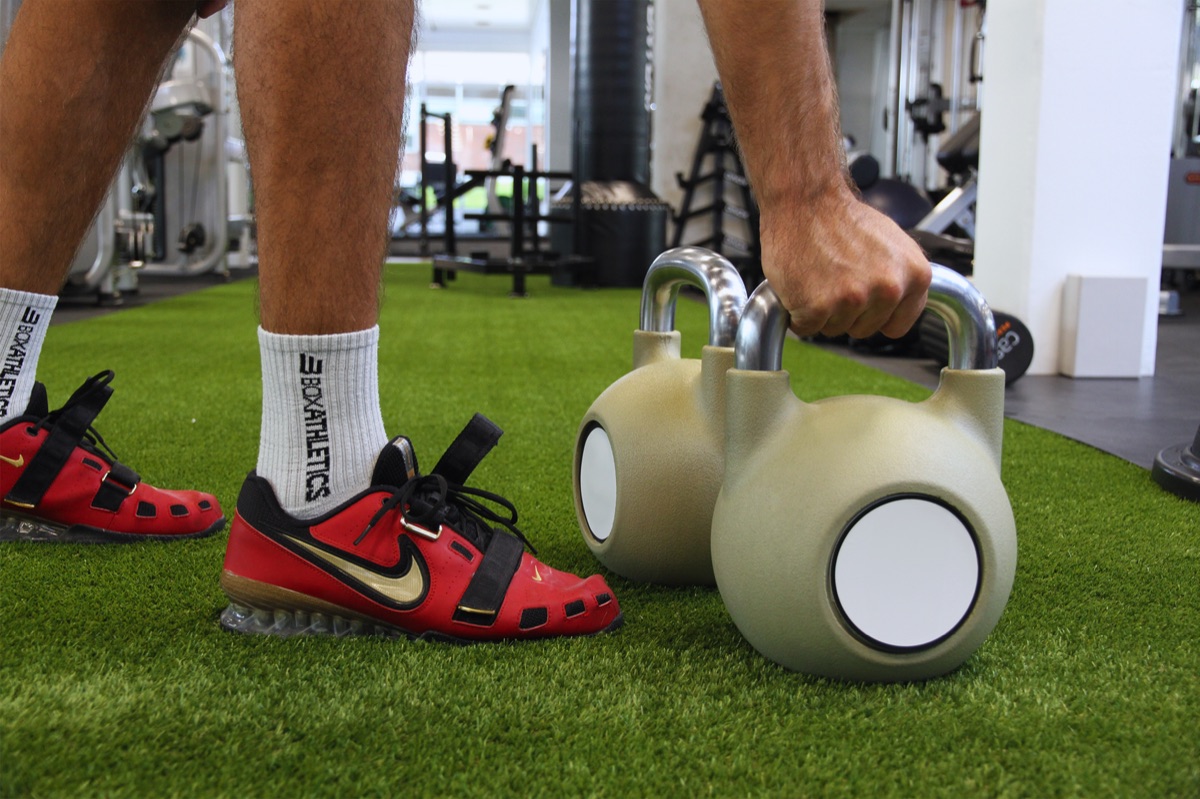
What are the common pitfalls when using games for fitness?
The living room is quiet at 9:00 PM, but the user is limping slightly after a long session. They achieved a high score, but their lower back feels tight. The focus was on the screen, but the body is paying the price.
While fitness games are powerful, they are not without risks. The most common danger is the "Motion vs. Muscle" trap. It is easy to mistake repetitive, small-range-of-motion gestures for meaningful resistance training.
While these movements burn calories, they may not build the strength or bone density that traditional weight-bearing exercise provides.
| Pitfall | Description | Risk Level |
|---|---|---|
| Motion vs. Muscle | Prioritizing repetitive gestures over meaningful resistance. | Moderate |
| Posture Neglect | Sacrificing ergonomic form to achieve a higher score. | High |
| Overtraining | Neglecting rest due to the addictive nature of gaming. | Moderate |
Another critical issue is ignoring posture for the sake of the score. If a game requires you to reach wildly or twist unnaturally to hit a target, you may develop repetitive strain injuries.
This is why games should be viewed as a supplement to, rather than a total replacement for, traditional strength and cardio needs. To stay safe, players must remain mindful of their physical form, even when the digital world is pulling their attention elsewhere.
If you master these pitfalls, you can turn a hobby into a lifelong habit.
How can we evolve from "Gaming" to a "Lifestyle"?
The transition from a casual gamer to an active individual happens when the lessons learned in the virtual world translate to the real world. A person finishes a gaming session, wipes the sweat from their forehead, and realizes they actually feel energized rather than exhausted.
The evolution from "gaming" to a "lifestyle" occurs when the user begins to apply the discipline of the game to their daily life. This means recognizing that the coordination, endurance, and consistency built during play are transferable skills.
Just as the decision to include badminton in the 1992 Olympics increased participation in the game (*Sports medicine*, 2015), the decision to make movement a part of entertainment can lead to a permanent shift in lifestyle.
To turn these sessions into a permanent habit, follow these steps: 1. Identify the Physical Gains: Recognize when a game is improving your stamina or agility. 2. Incorporate Variety: Mix gaming with walking, stretching, or traditional strength work to ensure a balanced physique. 3.
Track Real-World Progress: Notice if your ability to perform daily tasks—like carrying groceries or climbing stairs—has improved. 4. Maintain the "Play" Mindset: Keep the fun at the center. If the game becomes a chore, the lifestyle will fail.
Ultimately, the goal is to use the game as a springboard. The technology provides the spark, but the individual provides the fuel. By mastering the digital challenge, you are essentially training your body to handle the physical challenges of the real world.
#


Comments 0