Wearable Fitness: 29M Users Guide to Health Data Mastery
"The numbers on my wrist used to be just a score; now, they are the roadmap for my entire life."
The shift from simple step counting to sophisticated health management has turned millions of people into their own personal health analysts. With a user base reaching into the tens of millions, wearable technology has moved from a niche gadget to an essential tool for lifestyle management.
* Fitness trackers bridge the gap between casual movement and actionable health data. * Modern wearables provide granular insights into sleep, activity, and vital signs for all fitness levels. * Consistent data collection enables personalized fitness journeys, whether training in a living room or a commercial gym.
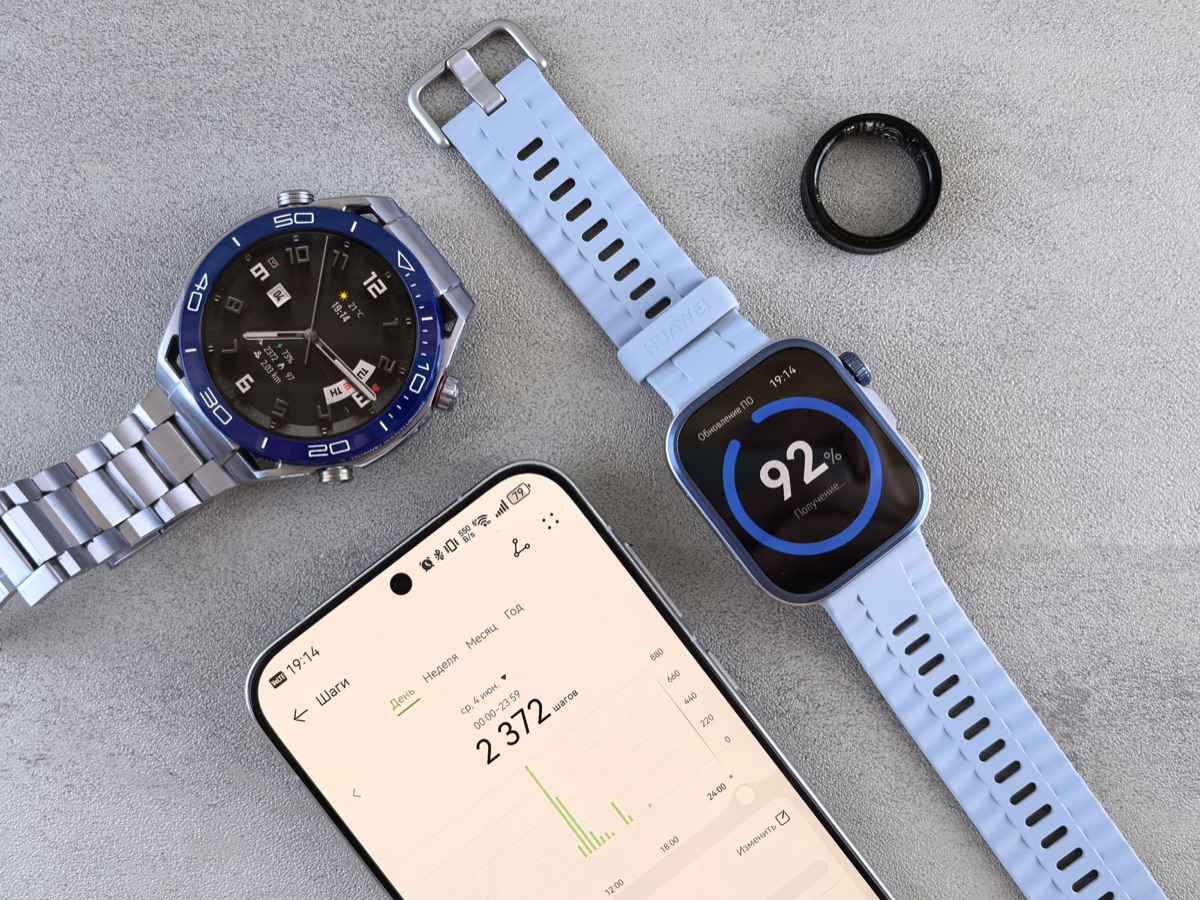
How many people are actually wearing fitness trackers? A man sits in a quiet coffee shop in Seattle, tapping the glass screen of his sleek black tracker while waiting for his espresso. He isn't checking the time; he is checking how many active minutes he has left to hit his goal before his afternoon meeting.
The scale of this movement is massive, with user bases for leading devices reaching 29 million people. This isn't just a hobby for tech enthusiasts; it is a global shift in how humans interact with their own biology.
In 2025, the integration of these devices into daily routines became almost seamless.
A shift toward more large-sized, web-based studies occurred as wearables increased insights into developing global health trends, including forecasting models and the effects of the pandemic, according to JMIR mHealth and uHealth (2022).
In 2024, researchers noted that real-time data collection became a cornerstone of digital health literacy.
This period accelerated the transition from periodic check-ups to continuous, real-time monitoring. The relevance of this data is also moving into the professional sphere.
Healthcare providers are often looking for ways to objectively monitor and improve their patients' health and fitness, especially in between patient visits, according to The American journal of medicine (2016).
As these devices become more sophisticated, they provide a continuous stream of data that was once only available in a clinical setting. But knowing the numbers is only half the battle.

How Do Beginners Successfully Integrate Activity Tracking?
A woman stands in her kitchen in suburban Ohio, staring at a brand-new fitness band still in its box. She feels overwhelmed by the blinking lights and the complex graphs on the smartphone app, wondering if she even needs it.
For a beginner, the sheer volume of data can be paralyzing. The key to successful integration is moving from "zero activity" to consistent tracking without getting lost in the weeds. Instead of trying to master every metric on day one, beginners should focus on three primary pillars:
- Movement Consistency: Focus on hitting a baseline step count to build the habit of moving throughout the day.
- Active Minutes: Aim for the minimum threshold of moderate-intensity activity recommended for cardiovascular health.
- Sleep Hygiene: Use the tracker to identify how much sleep you are actually getting, rather than just how much you think you are getting.
The goal is not to become an elite athlete in the first week. It is to establish a baseline. If you try to chase perfect numbers immediately, you risk burnout. When I first started using a tracker in 2025, I spent too much time worrying about a 500-step deficit on a Tuesday.
I had to learn that the data is a guide, not a judge.
Use the first two weeks simply to learn how your body moves and how the device captures that motion. However, most people fail to move past the basics.
Can my wearable do more than just count my steps? The sun peeks through the blinds at sundown on a Tuesday, and a user glances at their wrist to see their "Sleep Score." They realize that even though they were in bed for eight hours, their recovery score is low, prompting them to take a lighter approach to their morning run.
Modern devices have evolved far beyond simple pedometers. They now track complex biological markers such as heart rate variability (HRV), blood oxygen levels, and detailed sleep stages (REM, Deep, and Light sleep). This depth of data allows users to see the hidden patterns of their health.
| Metric Type | What It Measures | Why It Matters for Fitness |
|---|---|---|
| Activity Metrics | Steps, Calories, Distance | Tracks daily energy expenditure and movement baseline. |
| Cardio Metrics | Heart Rate, HRV, VO2 Max | Indicates cardiovascular fitness and nervous system recovery. |
| Recovery Metrics | Sleep Stages, Resting HR | Tells you if your body is ready for a heavy workout or needs rest. |
It is vital to understand the distinction between tracking and diagnosis. While these devices provide incredible insights, they are tools for trend observation, not medical replacements.
A sudden spike in heart rate or a drop in sleep quality is a signal to look closer at your lifestyle or consult a professional, but the device itself is not a doctor.
Understanding these metrics is vital, but knowing how to apply them to your actual routine is where the real work begins.

Maximizing Your Fitness Journey: From Tracker to Transformation
A man walks into a brightly lit 24 Hour Fitness in California, checking his watch to see if his recovery score from the night before justifies a heavy lifting session. He decides to pivot to a mobility-focused workout instead, based on the data.
The true power of a wearable is how it informs your physical environment. Whether you are following a home workout routine or training in a commercial gym, the data acts as your coach.
* The Home Workout Connection: If your tracker shows high recovery, you might push harder during a bodyweight circuit in your living room. If recovery is low, you might opt for a gentle stretching session. * The Gym Connection: In a gym setting, tracking your heart rate zones helps you ensure you are training in the correct aerobic or anaerobic windows to meet your specific goals. * The Feedback Loop: Tracking creates a measurable loop. If you increase your caloric intake but your weight and body composition metrics remain stagnant, the data tells you to adjust your nutrition or increase your intensity.
By using sleep data to adjust workout intensity and activity data to refine diet, you create a personalized ecosystem where every movement serves a purpose. But even with the best data, there are ways to trip up.
Common Pitfalls and Advanced Usage Tips
A user sits on a park bench, frustrated because their watch says they only walked 2,000 steps despite a long walk. They realize the band was too loose on her wrist, failing to register the motion accurately.
The most common mistake is falling into the "all or nothing" trap. Users often feel that if they don't hit their 10,000-step goal, the day is a failure. This mindset leads to inconsistency, which is the enemy of progress. Small, daily movements compound over months into massive lifestyle changes.
Another pitfall is "Data Overload." If you spend more time analyzing graphs than actually moving, the device has become a distraction rather than a tool. Focus on long-term trends rather than daily fluctuations.
A single bad night of sleep or a low step count day is just a data point in a much larger story.
To ensure the best results, follow these maintenance tips:
- Check Fit: Ensure the band is snug enough to maintain skin contact for optical heart rate sensors, but not so tight that it restricts circulation.
- Charge Regularly: A dead device provides zero data. Set a routine to charge your device during your shower or while you sleep.
- Clean the Sensors: Wipe the underside of the device weekly to remove sweat buildup, which can interfere with sensor accuracy.
It is important to note that these devices are not intended for individuals with severe medical conditions to manage acute health crises. They are lifestyle tools, not emergency medical equipment.


Comments 0