Sleep Quality: Use Wearable Heart Rate Data to Recover
"Stop guessing why you're tired: turn your wearable device into a precision tool to master your sleep through heart rate data."
If you wake up feeling like you were hit by a truck despite "sleeping" for eight hours, your wearable device might hold the answer. By understanding the relationship between your heart rate and your sleep cycles, you can transform a simple gadget into a roadmap for better recovery.
* Wearable heart rate monitoring (like Fitbit) is highly accurate and clinically comparable to ECGs for sleep tracking. * Metrics like Sleep Onset Latency (SOL) and Wake After Sleep Onset (WASO) are essential for identifying sleep disturbances. * Correlating daily physical activity with nighttime heart rate helps optimize your fitness and recovery. * Data-driven lifestyle changes can stabilize your heart rate to deepen sleep stages.
How accurate is wearable heart rate tracking for sleep?
I sat at my kitchen table at 6:00 AM on a Tuesday in 2025, staring at the colorful graphs on my smartphone, wondering if the little green light blinking on my wrist was actually telling the truth. My heart rate looked steady on the screen, but my energy levels felt anything but.
The technology behind these devices is primarily Photoplethysmography (PPG), which uses light to measure blood flow through your skin. While some skeptics question the precision of consumer gadgets compared to medical-grade equipment, the data tells a different story.
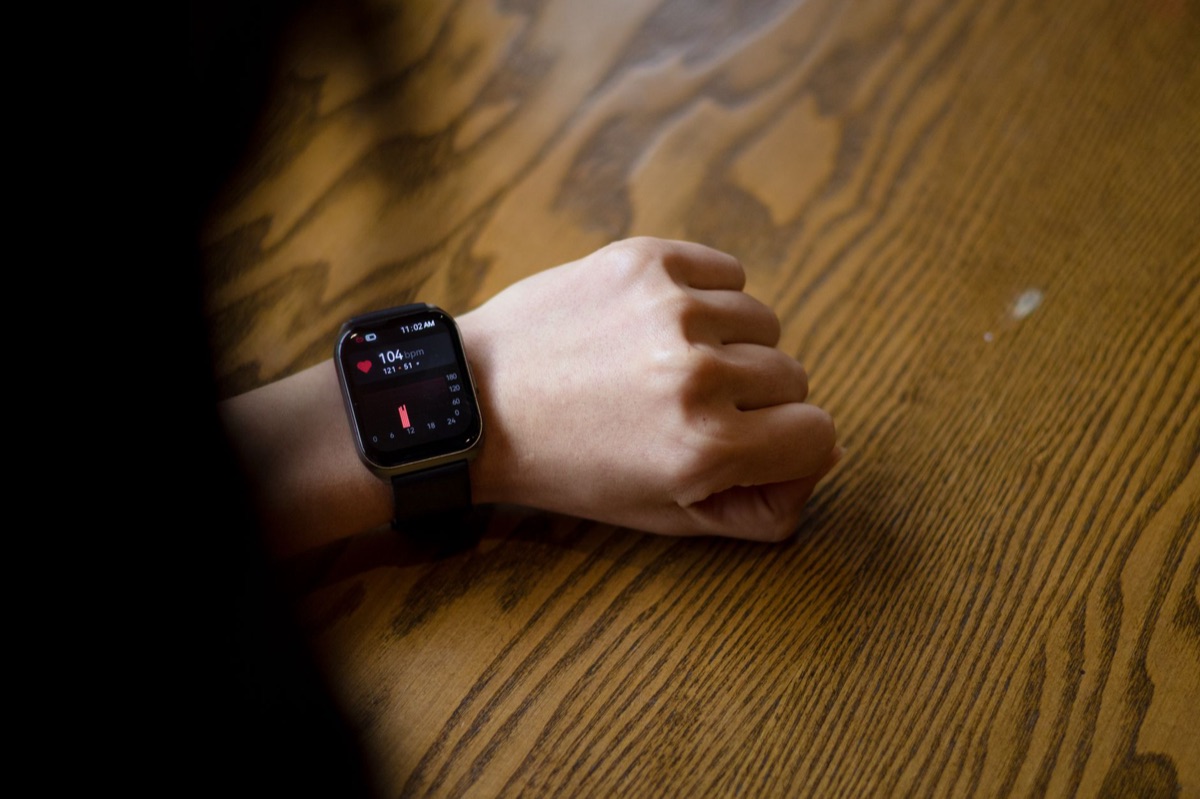
According to a study published in *Chronobiology International*, there was no significant difference in asleep heart rate mean between Fitbit photoplethysmography and ECG, showing a difference of only 0.09 beats per minute (bpm) with an excellent correlation of 0.998.
This means that for the vast majority of users, the heart rate readings you see at night are remarkably close to what a clinical-grade ECG would produce.
Understanding this accuracy is vital because a stable, dipping resting heart rate during sleep is a primary indicator of physical recovery. If your heart rate stays elevated throughout the night, your body is likely struggling to enter deep, restorative sleep stages.
What do the key sleep metrics actually mean for your health?
The blue light from my phone hit the wall at midnight in late 2025, and I felt the familiar frustration of staring at the ceiling, waiting for sleep to take over. I checked my tracker, seeing the timer ticking away while my body remained wide awake.
When you look at your sleep dashboard, you aren't just looking at "hours slept." You are looking at complex metrics that define your recovery. One critical metric is Sleep Onset Latency (SOL), which measures how long it takes you to fall asleep after getting into bed.
Another is Wake After Sleep Onset (WASO), which tracks the duration of wakefulness after you have initially fallen asleep.
The accuracy of these metrics varies depending on the sleep stage. Research in the *Journal of Medical Internet Research* indicates that wearables show higher accuracies for WASO (0.82) and REM sleep (0.86) than for the lighter N1 and N2 sleep stages (0.55).
This means your device is particularly good at catching those moments when you wake up during the night. Understanding these nuances—along with Total Sleep Time (TST) and Sleep Efficiency (SE)—allows you to see whether your issue is falling asleep or staying asleep.
But understanding the numbers is only half the battle; knowing how to act on them is where the real change happens.
How can I use heart rate data to improve my sleep quality?
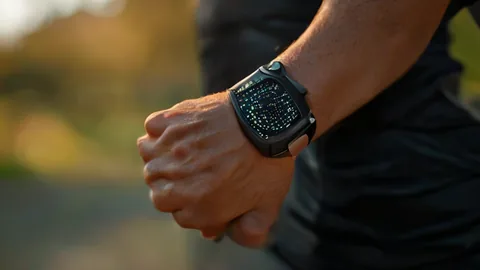
I adjusted the strap on my wrist, tightening it just enough to ensure the sensor made contact, but not so much that it felt restrictive. I realized that my data wasn't just a record of the past; it was a guide for my next decision.
To turn your data into better sleep, follow these steps:
- Establish a baseline: Wear your device consistently for at least 14 days to understand your "normal" heart rate and sleep patterns.
- Monitor evening activity: Watch how your heart rate reacts to evening workouts or late-night meals.
- Identify patterns: Look for correlations between high nighttime heart rates and external factors like caffeine or alcohol.
- Adjust sleep hygiene: If your heart rate stays high due to room temperature, try cooling your environment to see if it aids sleep onset.
By observing these trends, you can move from passive tracking to active management. If your heart rate doesn't dip significantly during the first few hours of sleep, it is a signal to look at your evening routine.
However, individual biology means these rules aren't universal.

How does daily activity impact my nighttime recovery?
Walking through the park at sundown in 2026, I felt the cool air and realized how much my morning steps seemed to dictate my evening rest. The connection between the movement of the day and the stillness of the night is profound.
The relationship between physical activity (PA) and sleep is a two-way street. While regular movement helps regulate sleep-wake cycles, a significant drop in daily activity can disrupt them.
For instance, studies have documented a significant decrease in physical activity, such as a 12.3% reduction in daily step counts over a three-year period, which can fundamentally change how the body recovers at night.
| Metric | Importance for Sleep | What to Watch For |
|---|---|---|
| Resting Heart Rate (RHR) | Indicates recovery level | An upward trend suggests overtraining or illness. |
| Sleep Onset Latency (SOL) | Measures sleep readiness | High SOL may indicate stress or late-night stimulation. |
| WASO | Measures sleep fragmentation | High WASO indicates interrupted sleep quality. |
| REM/Deep Sleep Ratio | Measures sleep architecture | An imbalance can lead to daytime grogginess. |
Balancing high-intensity training with the need for a lowered nocturnal heart rate is the key. If your evening workouts are too intense, your heart rate may remain elevated, preventing you from reaching deep sleep stages.
But if you focus too much on the numbers, you might run into a different kind of trouble.
Common mistakes when using fitness trackers for sleep
I stared at the "Sleep Score" on my screen, feeling a surge of anxiety because the number was lower than I wanted. I realized I was letting a digital score dictate my mood more than my actual physical feeling.
One of the biggest pitfalls is "orthosomnia"—the anxiety caused by the pursuit of perfect sleep data. Over-analyzing minor, natural fluctuations in your heart rate can lead to stress, which ironically makes sleep even harder to achieve.
Another common error is improper device fit; a loose strap can lead to inaccurate readings, while an overly tight strap can cause discomfort that disrupts sleep.
Always remember the "human" element. If your tracker says you slept perfectly but you feel exhausted, listen to your body. The tracker is a tool for identifying trends, not a medical diagnostic tool.
It is important to note that these insights are not intended to replace medical advice. If you have chronic insomnia or heart own conditions, these metrics should be discussed with a physician.
How to master your routine based on your data
I looked at my "Recovery Score" on my tablet and decided to swap my planned heavy lifting session for a restorative yoga flow. The data wasn't telling me to stay in bed, but it was telling me to listen.
Once you have mastered the basics, you can use your data for advanced optimization:
* Use Recovery Scores for Training: Use your nighttime heart rate trends to decide between a heavy gym day or a rest day. * Synchronize Circadian Rhythms: Use morning light exposure and consistent movement to stabilize your heart rate patterns. * Troubleshoot Insomnia: Use the data to see if your sleep fragmentation (WASO) happens at the same time every night, which can help identify environmental triggers.
| Step | Action | Goal |
|---|---|---|
| 1 | Consistent wearing | Build a reliable baseline. |
| 2 | Correlation check | Link evening habits to heart rate. |
| 3 | Environmental tweak | Adjust room temp/light based on data. |
| 4 | Routine sync | Align movement with sleep cycles. |
#

Comments 0