Fitness tracker evolution: Smart health with wearables guide
"The digital era has transformed the way we monitor our bodies, turning wrist-worn sensors into vital health companions."
Smart health with wearables relies on understanding how data intersects with physical movement to drive better outcomes. This guide explores how to interpret biometric data, manage hybrid training models, and navigate the technical limitations of modern tracking.
Key takeaways include balancing strength and cardio, understanding the 300-minute hybrid blueprint, and recognizing when movement distorts sensor accuracy.
How does the fitness tracker evolution influence training?

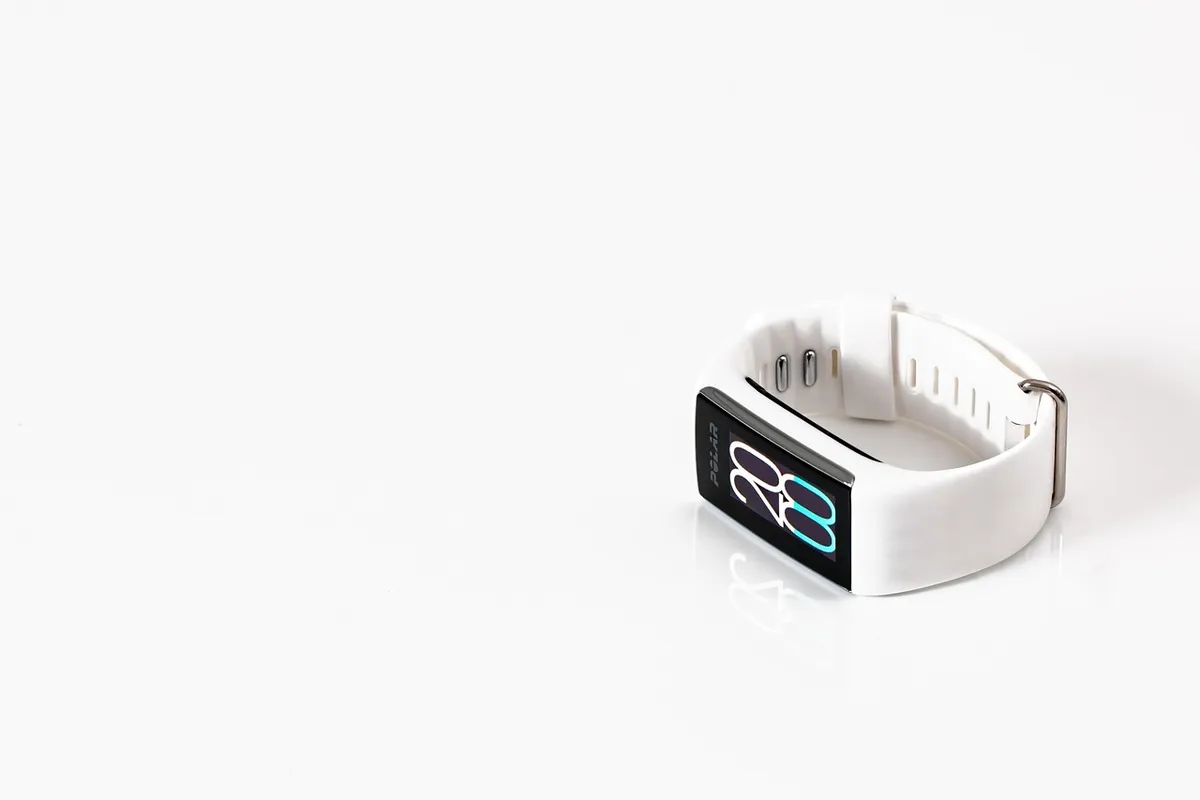
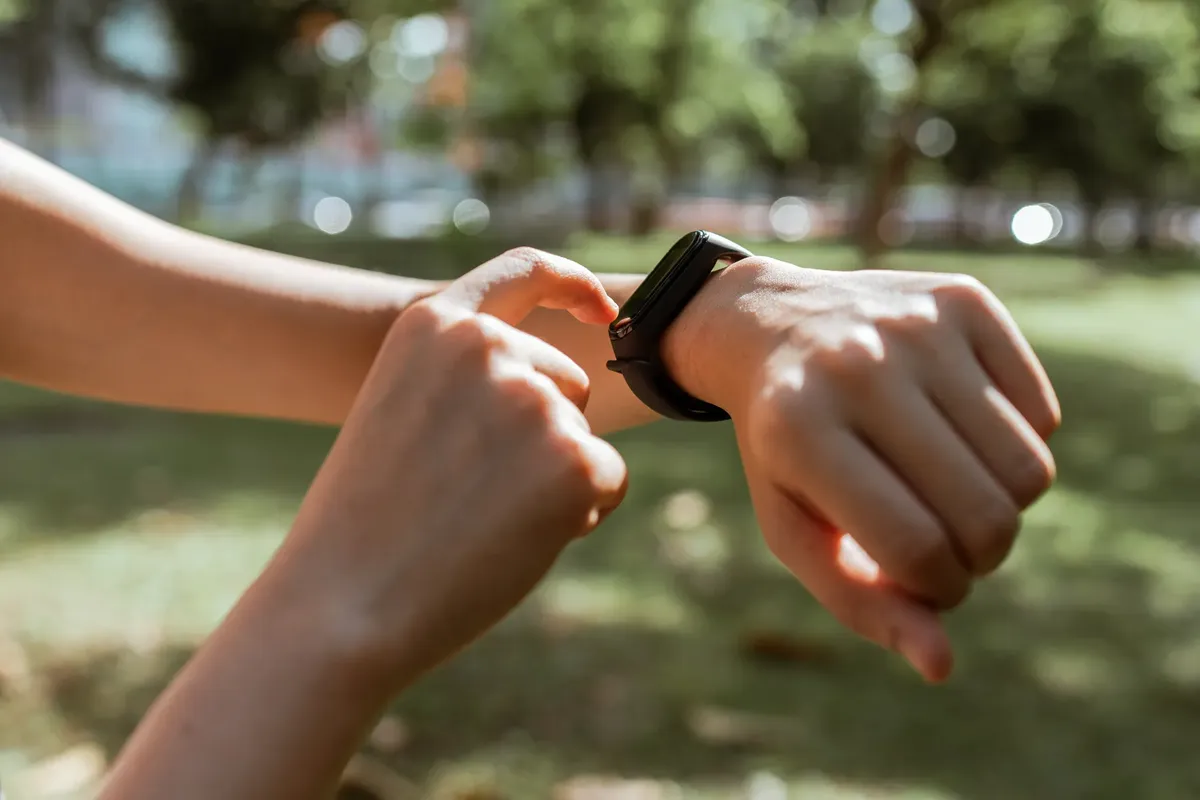
A person adjusts their wrist strap tightly before a morning run to ensure the sensor captures every heartbeat. This evolution in tracking has shifted focus from mere step counting to complex metabolic monitoring.
The shift toward data-driven fitness has changed how users approach weekly goals. For instance, the 300-minute hybrid blueprint, which consists of 150 minutes of zone 2 cardio and 150 minutes of strength training per week, is the dominant programming model for 2026.
This approach targets mitochondrial function and metabolic flexibility through specific heart rate zones.
While the tech has advanced, the user must remain critical of the data. A study showed that a concurrent training group gained 25% strength over 10 weeks, compared to 44% for a strength-only group, highlighting the complexity of combining different modalities.
Understanding these nuances helps in applying a digital fitness guide to real-world physiological changes.
- Analyze historical biometric trends to identify baseline physiological shifts.
- Adjust daily intensity based on real-time recovery metrics.
- Refine long-term periodization using longitudinal data.
- In this sequence, the first step is the most foundational.
What are the best smart ways to exercise in 2026? Smart health with wearables A gym enthusiast checks their heart rate monitor while preparing for a heavy lifting session. Effective training now requires a strategic blend of aerobic and anaerobic work.
The current trend emphasizes a balanced workload to prevent burnout while maximizing physiological adaptations. Using the 300-minute hybrid blueprint allows for a structured approach to both endurance and power.
In this model, zone 2 cardio—defined as 60-70% of max heart rate—serves as the aerobic foundation.
Strength training remains a massive component of the fitness landscape. Currently, 65% of males and 52% of females in the US participate in strength training, making it the most popular workout category.
Despite this high engagement, fewer than 30% of US adults actually meet the recommended guidelines for muscle-strengthening activity.
How can I use wearable health tracking for strength?
A lifter looks at a tablet screen to compare their weekly volume against their biometric trends. Integrating strength work into a digital routine requires precise measurement.
The goal is to ensure that strength gains are not compromised by excessive cardio. Although women’s gym membership grew 32.2% over the last decade versus 23.2% for men, the focus on hypertrophy and functional strength is universal.
Users must balance the load to avoid the plateauing seen in concurrent training models.
Effective wearable health tracking involves monitoring recovery alongside workload. Because fewer than 30% of people meet the official guidelines despite high participation, the data can help identify if a user is truly meeting health milestones.
This helps in adjusting the 300-minute hybrid blueprint to fit individual recovery needs.
What are the risks of using advanced health wearables? A user pauses their workout to check a notification regarding a data discrepancy on their device. Relying solely on sensors can lead to incorrect conclusions about one's fitness level.
Advanced wearable health data can be misleading if the sensor placement or movement type is incorrect. Certain movements of the user can distort the results obtained from fitness trackers.
Users should also consider the biological reality of the sensor interface. The skin can be modeled as a bilayer, composed of an epidermis and a dermis.
Because the skin responds plastically to tensile strains of 30% or more, the way a device sits on the body can affect how it reads biometric signals.
Is there a guide for managing hybrid training?
A runner prepares their gear for a low-intensity zone 2 session to complement their lifting schedule. Managing two different types of training requires careful planning.
A digital fitness guide for hybrid training often centers on the 300-minute hybrid blueprint. This involves splitting the week between 150 minutes of cardio and 150 minutes of strength work. This structure aims to build a robust cardiovascular system without sacrificing muscle mass.
| Training Component | Weekly Duration | Primary Goal |
|---|---|---|
| Zone 2 Cardio | 150 Minutes | Mitochondrial function |
| Strength Training | 150 Minutes | Muscle mass and power |
I find that comparing these two blocks helps me decide how much intensity to bring to each session. The primary challenge is ensuring that the 150 minutes of cardio does not interfere with the strength-focused goals of the other 150 minutes.
What are the limitations of digital fitness?
A person stares at a static screen, wondering why their calorie burn seems lower than expected. Every technological advancement carries specific constraints that users must acknowledge.
One major limitation is that high participation does not always equal meeting health standards. While many people use these tools, fewer than 30% of US adults actually meet the recommended guidelines for muscle-strengthening activity. This gap suggests that tracking alone does not guarantee health.
Furthermore, the accuracy of the device is tied to the activity being performed. If a movement causes the sensor to shift, the data may not reflect true physiological states. Users should use these tools as a compass rather than an absolute truth.
The same subject is also called Smart exercise methods.
This part also covers Using activity trackers wisely.
This part also covers Future of digital fitness.
Advanced wearable health data
Related





Comments 0