Optical Sensor Tips: Fixing 140 bpm Jumps on Your Wrist
This article is about Optical. "The numbers on your wrist are not your destiny, but they are a map of your effort."
To master heart rate monitoring, you must understand that wearable devices provide trends rather than clinical diagnoses, allowing you to adjust intensity in real-time.
This guide covers how to interpret these fluctuations, the difference between resting and active zones, and when to stop trusting the sensor in favor of professional medical advice.
* Understand the difference between optical sensors and clinical ECGs. * Learn to use heart rate zones to optimize fat burning and cardiovascular endurance. * Recognize when an anomaly is a sensor error versus a health warning. * Identify the proper way to calibrate your effort against the data.
Why does my heart rate jump unexpectedly?
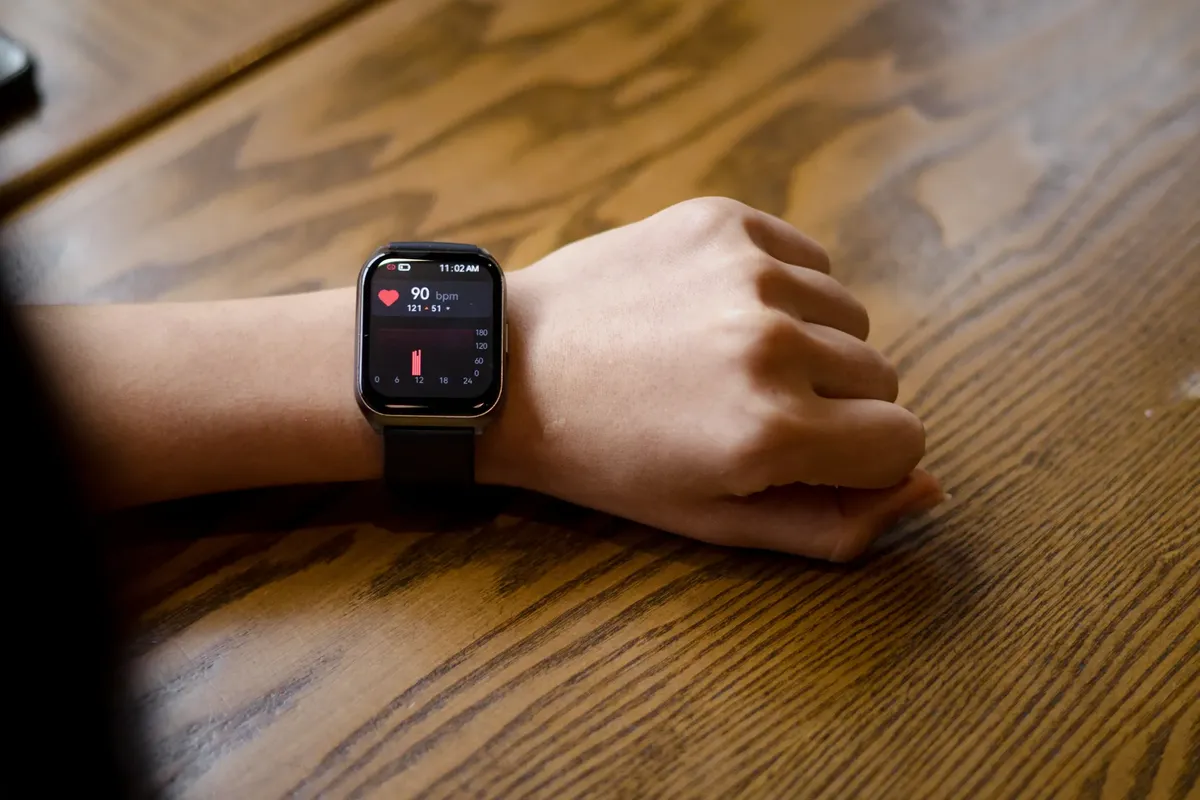
A sudden spike in numbers while sitting on a yoga mat can feel like a heart attack is imminent. You sit on the floor of your living room, breathing steadily, only to see your wrist device flash a warning of 140 beats per minute.
According to the Consumer Protection Safety Commission, the Fitbit Force was recalled on February 20, 2014.
This sudden jump is often caused by "cadence lock," where the sensor mistakes your rhythmic movement for your pulse.
When using an optical sensor, the light pulse can get confused by the movement of your arm or the vibration of your steps. If you are walking or running, the device might sync with the physical impact of your gait, leading to an artificially high reading.
This is not a medical emergency, but it is a sign that your strap is too loose or your movement is interfering with the sensor's ability to read blood flow.
To fix this, follow these steps: 1. Tighten the wearable band one notch higher than you would for a watch, ensuring it sits just above the wrist bone. 2. Clean the sensor window with a damp cloth to remove sweat and skin oils that refract light. 3.
If you are stationary, pause your movement for thirty seconds to allow the sensor to re-acquire a stable pulse.
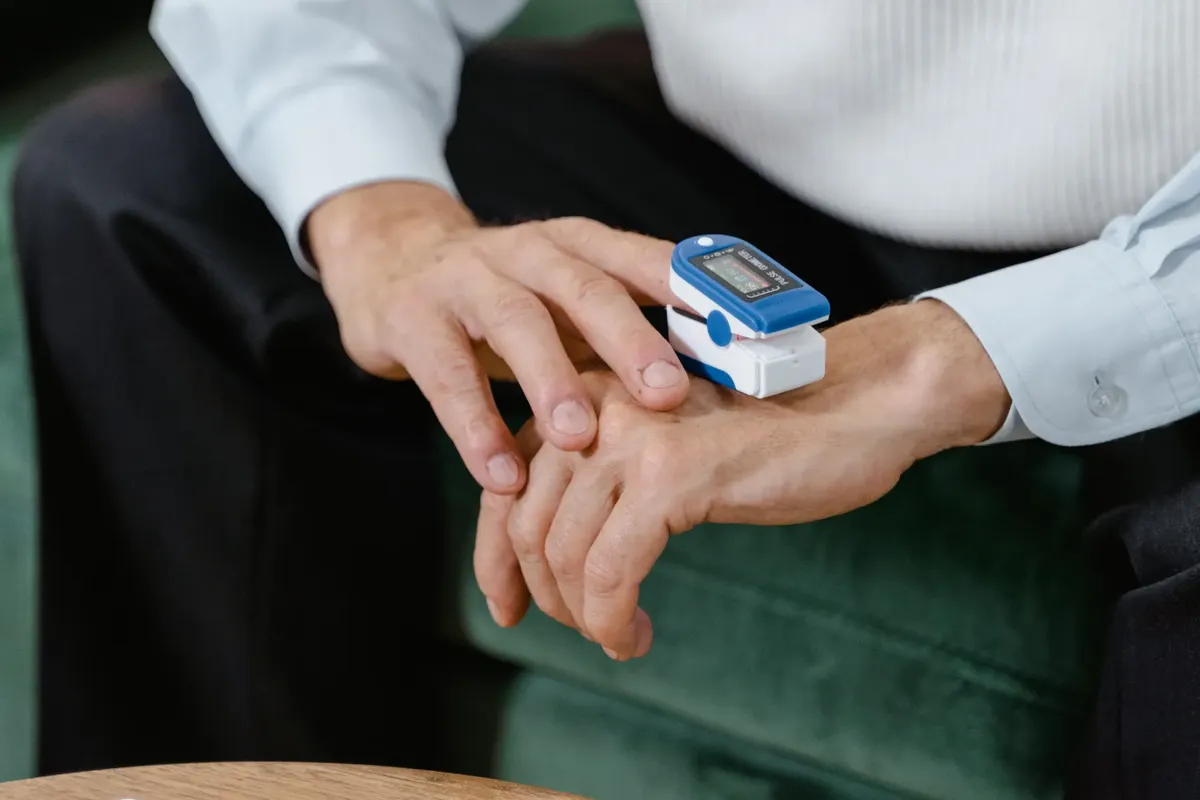
I remember sitting in a quiet park, checking my watch after a light jog, and seeing a reading of 175 bpm while I felt perfectly fine. After tightening the strap and cleaning the sensor, the number immediately settled back to a realistic 125 bpm.
Sudden spikes can be caused by caffeine, stress, or physical movement during a reading.
How do I use zones for weight loss?
You stare at the colorful rings on your screen, wondering if you should be pushing harder or slowing down to hit your goals. The goal of heart rate training is to stay within specific "zones" to trigger different physiological adaptations, such as fat oxidation or aerobic capacity.
In 2018, the Association (BCBS) announced a partnership with Fitbit to include wearables in its Blue365 program.
The first zone is typically a light effort where you can speak in full sentences. The second zone is the "fat-burning zone," where the body uses a higher percentage of fat as fuel. The third and fourth zones are for building cardiovascular endurance and peak power, requiring much higher intensity.
| Zone Type | Purpose | Effort Level |
|---|---|---|
| Aerobic/Fat Burn | Endurance & Fat Metabolism | Moderate, steady breathing |
| Anaerobic/Threshold | Increasing VO2 Max | Heavy breathing, hard to talk |
| Recovery | Heart Rate Variability Improvement | Very light, easy movement |
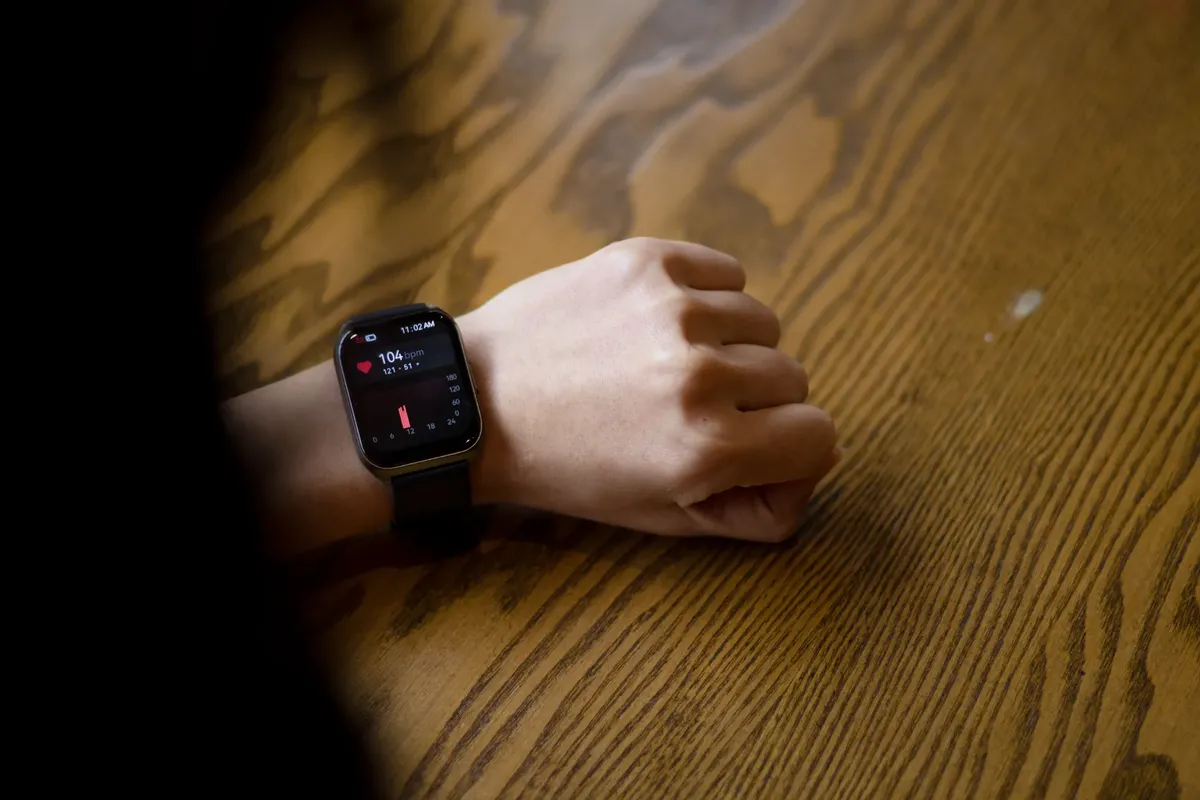
If your goal is weight management, spending more time in the moderate-intensity zone is often more sustainable than sprinting until exhaustion. However, if you only stay in the lowest zone, you may not see improvements in your cardiovascular fitness.
- Determine your maximum heart rate.
- Calculate your target zones based on that number.
- Maintain your target zone during exercise.
Can I trust my watch more than a doctor?
A doctor's office is quiet, sterile, and the equipment is heavy, unlike the plastic band on your arm. You might see a high reading on your device and feel a sense of panic, wondering if you should head to the emergency room immediately.
As reported by the Blue Cross Blue Shield Association, the partnership announced in 2018 integrated fitness trackers into specific programs.
It is vital to understand that wearable devices are consumer electronics, not medical-grade diagnostic tools. While they are excellent for tracking trends over weeks and months, they can be prone to "noise" from sweat, movement, and skin tone.
A single high reading on a watch does not replace a clinical ECG performed by a physician.
If you experience physical symptoms like chest pain, dizziness, or extreme shortness of breath, you must ignore the watch and seek medical attention. The data on your wrist is a supplement to your physical sensation, not a replacement for it.
In this sequence, the second step is the most important.
What are the limits of optical heart rate tracking?

You look at the red light blinking against your skin, wondering how much of this data is actually real. The technology uses photoplethysmography (PPG), which shines light into your tissue to detect volume changes in your blood vessels.
According to Android Authority, the most common Fitbit problems and how to fix them were discussed in 2025.
This method has inherent limitations, particularly during high-intensity interval training (HIIT) or heavy weightlifting. During explosive movements, the contraction of your muscles and the shifting of the device can prevent the sensor from getting a clean reading.
In these moments, the lag between your actual heart rate and the displayed number can be significant.
This technology is not suitable for: * Validating a suspected heart condition or arrhythmia. * Precise medical monitoring during high-impact sports. * Users with very low perfusion (poor blood flow) at the wrist.
If you find that your wrist-based device consistently fails during workouts, you might consider a chest strap. Chest straps use electrical signals (ECG) rather than light, which are much more accurate during vigorous movement.
Optical sensors can struggle with skin tone, wrist movement, and ambient light.
How do I know if my resting heart rate is normal?
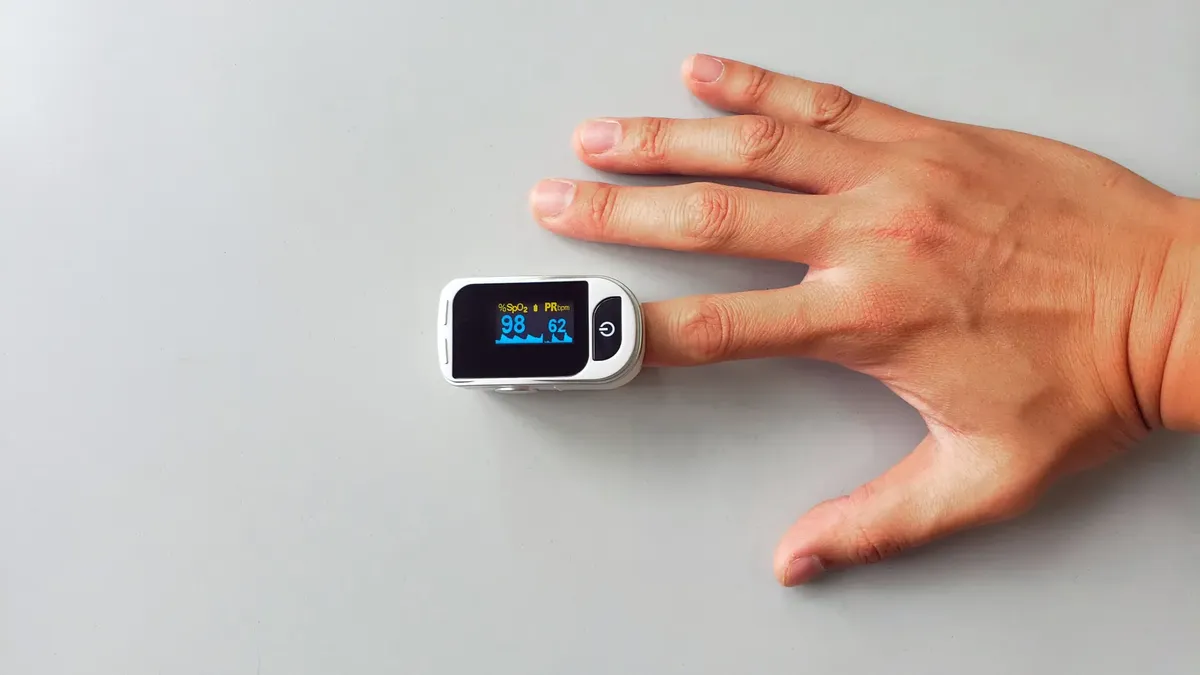
The sun peeks through the blinds at 6:00 AM, and the first thing you do is check your sleep summary. Your resting heart rate (RHR) is one of the most important indicators of your overall recovery and cardiovascular health.
A lower RHR generally indicates a more efficient heart and better cardiovascular fitness. However, an unusually high RHR compared to your personal baseline can be a sign of overtraining, illness, or high stress.
Tracking these shifts over time provides a better picture of health than a single morning's reading.
If your RHR jumps by 10 beats per minute or more over several days without a clear reason like caffeine or lack of sleep, it is a signal to take a rest day. Listen to your body's baseline rather than comparing your numbers to an arbitrary "healthy" range found online.
Compare your current reading to your own historical baseline rather than a generic range.
When I tried the steps in order, the second one is where I paused longest.
Related
- HRV Matters: 3 Recovery Signals Guide Your Fitness
- Wellness's 1.5M boost: AHA endorsement makes gaming trusted.
Final Thoughts
The most important tool you own is not the watch on your wrist, but your own ability to sense your body's limits. Use your data to find patterns, but always prioritize how you actually feel. If the numbers say you are fine but you feel exhausted, listen to your fatigue.
If the numbers say you are fine but you feel chest pain, seek help. The goal of tracking is to empower your movement, not to cause anxiety.
Treat your wearable as a guide for trends rather than an absolute medical truth.
The same subject covers Optical, Sensor, and Fixing.




Comments 0