Fitness game home workout: Improve fitness with 360 movement
"Such a system allows the user to virtually be in the game while allowing 360 degrees of movement."
The evolution of home training through fitness games offers a way to blend physical activity with immersive digital environments. This guide explores how gamified exercise trends can enhance functional fitness and how to integrate these tools into a routine.
You will learn about the relationship between motor proficiency and gaming, the benefits of structured protocols, and the importance of movement variety.
How can fitness game home workout routines improve endurance?
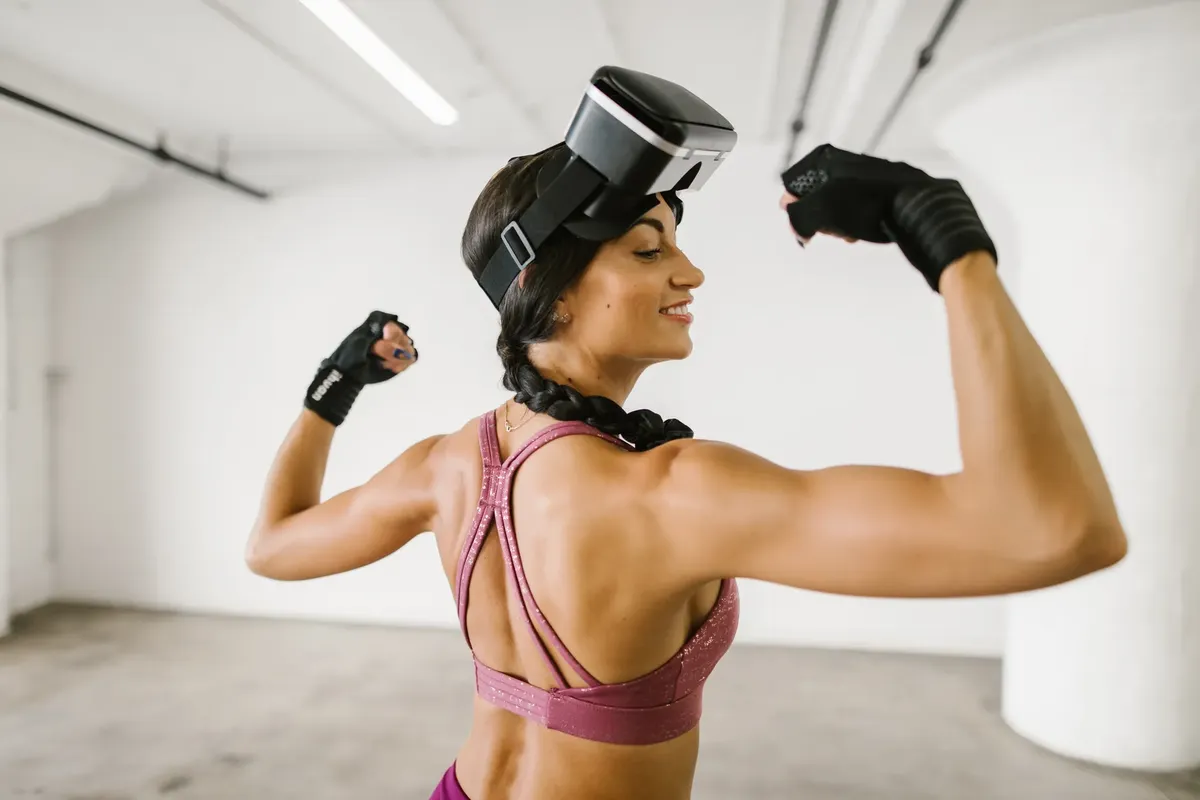
A person stands in a living room, gripping a controller while dodging virtual obstacles to maintain a steady pace. This active lifestyle gaming approach turns repetitive movements into engaging challenges.
This suggests that high-intensity gaming sessions that mimic physical exertion can provide measurable physiological benefits.
Integrating these movements into a daily schedule helps build a foundation for more intense physical activities. By focusing on varied movement patterns, users can prevent the monotony often associated with traditional home workouts.
Regular engagement with rhythmic, aerobic gameplay helps elevate the cardiovascular threshold over time. By maintaining a steady pace to match in-game objectives, users can gradually increase their stamina through sustained physical effort.
What role does motor proficiency play in active lifestyle gaming?
A user attempts to hit a digital target, finding that their physical coordination directly influences their score on the screen. This connection highlights the intersection of physical skill and digital feedback.
The study noted that more proficient movers tended to perform better in the exergame.
This means that as your physical coordination improves, your ability to succeed in high-precision fitness games also increases. Using these games can serve as a feedback loop where physical mastery leads to higher engagement through better game performance.
Developing precise movement patterns through gaming enhances hand-eye coordination and spatial awareness. This mastery of complex gestures allows for more fluid and efficient physical movements during exercise.
Can structured protocols lead to functional fitness gains?
A person follows a specific weekly schedule, moving through various levels of a fitness game to reach a new milestone. Consistency in these programmed sessions is key to seeing long-term results.
After a 12-week protocol, researchers observed a significant improvement in all functional fitness parameters, as reported in Geriatrics & gerontology international (2020). This demonstrates that even short-term, structured engagement with a fitness regimen can yield broad benefits.

To apply this to a home setting, consider these steps: 1. Select a game that requires full-body engagement to ensure diverse muscle use. 2. Follow a structured weekly schedule to maintain consistency in movement. 3.
Perform a final check of your physical form to prevent injury during high-intensity play.
I found that following a set schedule helped me stay committed to the movement patterns required by the game.
- Establish a baseline of movement capability through introductory levels.
- Gradually increase intensity and complexity of tasks to challenge physical limits.
- Integrate diverse movement patterns to build strength applicable to daily life.
How does immersive technology change the training experience?
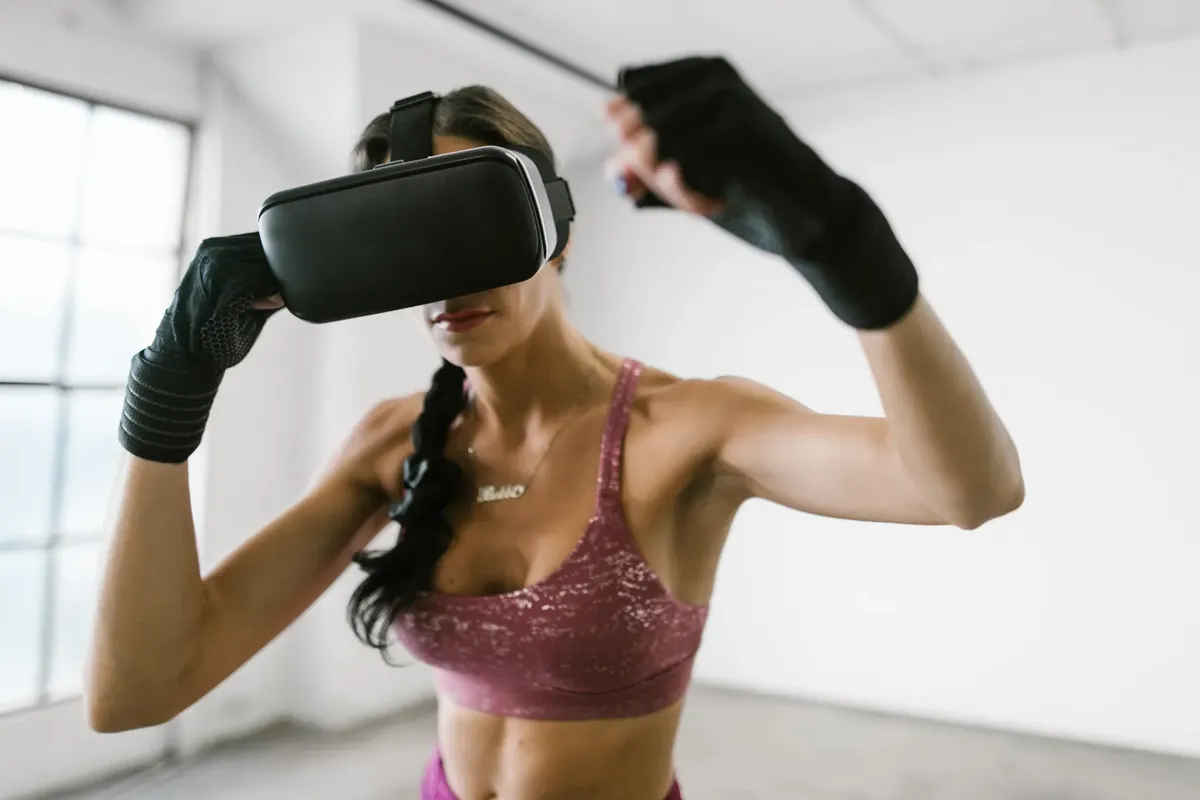
A player wears a headset or stands in a sensor-tracked zone, feeling as though they are stepping into a different reality. This transition from a static room to a dynamic environment defines the modern training experience.
Such a system allows the user to virtually be in the game while allowing 360 degrees of movement. This immersive quality keeps the user engaged in the activity for longer periods compared to traditional stationary equipment.
Evolving home fitness relies on this sense of presence to maintain motivation. When the environment responds to 360-degree movement, the user is forced to engage their core and balance, much like in real-world athletic settings.
Immersive environments provide sensory feedback that makes physical exertion feel more engaging and less repetitive. This heightened sense of presence can distract from fatigue, allowing for longer periods of activity.
Why is variety and participation important for long-term success?
A group of friends gathers around a screen, competing in a fast-paced sports game that mimics real-world athletic competition. The excitement of the competition drives everyone to move more vigorously.
This historical example shows how increased visibility and structured competitive frameworks can drive widespread physical activity.
Gamified exercise trends benefit from similar dynamics, where clear goals and social competition drive participation. Maintaining variety in the types of games played can mimic this effect, keeping the routine fresh and engaging.
Frequent changes in gameplay styles prevent physical plateaus and mental boredom. Keeping the experience fresh ensures that users remain motivated to stay active consistently.
International journal of sports physiology and performance (2009)
The subject here is Fitness game home workout.
The same subject is also called Tech in home training.
This part also covers Best fitness games for home.
This part also covers How games boost exercise.
This part also covers Future of home workouts.
Best fitness games for home
Related





Comments 0