How do you select a beginner home workout routine?
"The hardest part of a workout is not the movement itself, but the decision to begin when the gym is just a corner of your living room."
A beginner home workout routine requires a focus on consistency and time management rather than heavy intensity to ensure long-term adherence.
You should prioritize manageable sessions that fit into your daily schedule, use basic movements to build a foundation, and keep your sessions under 45 minutes to prevent burnout. This guide covers how to select a safe routine, manage your environment, and structure your first day.
How do you select a beginner home workout routine?
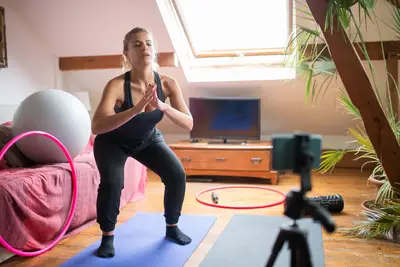
A person standing in a quiet living room looks at a clear space on the floor, deciding where to place a mat. Selecting a suitable first-day home exercise means choosing movements that do not require complex machinery or heavy weights.
The goal is to build a habit without overwhelming your physical limits. A simple beginner routine focuses on bodyweight movements that improve mobility and basic strength. By starting with low-impact exercises, you reduce the risk of injury while your body adjusts to new physical demands.
Effective training often involves environmental improvement to support new habits.
For instance, a study in Nursing & health sciences (2022) noted that for the first 12 weeks, text-message counseling and environmental improvement were carried out, while only environmental improvement was implemented in the remaining 12-18 weeks.
This suggests that setting up your space is a vital part of the process.
- Assess your current fitness level to avoid overexertion.
- Identify your primary fitness goals, such as strength or flexibility.
- Choose exercises that can be performed within your available space.
How can I start exercising at home? At dawn, you clear the floor near the window and feel the cool breeze as you prepare for your first beginner session.
You clear a small area near a window, feeling the morning air as you prepare for your first movement. To start exercise at home effectively, you must establish a dedicated space and a predictable schedule.
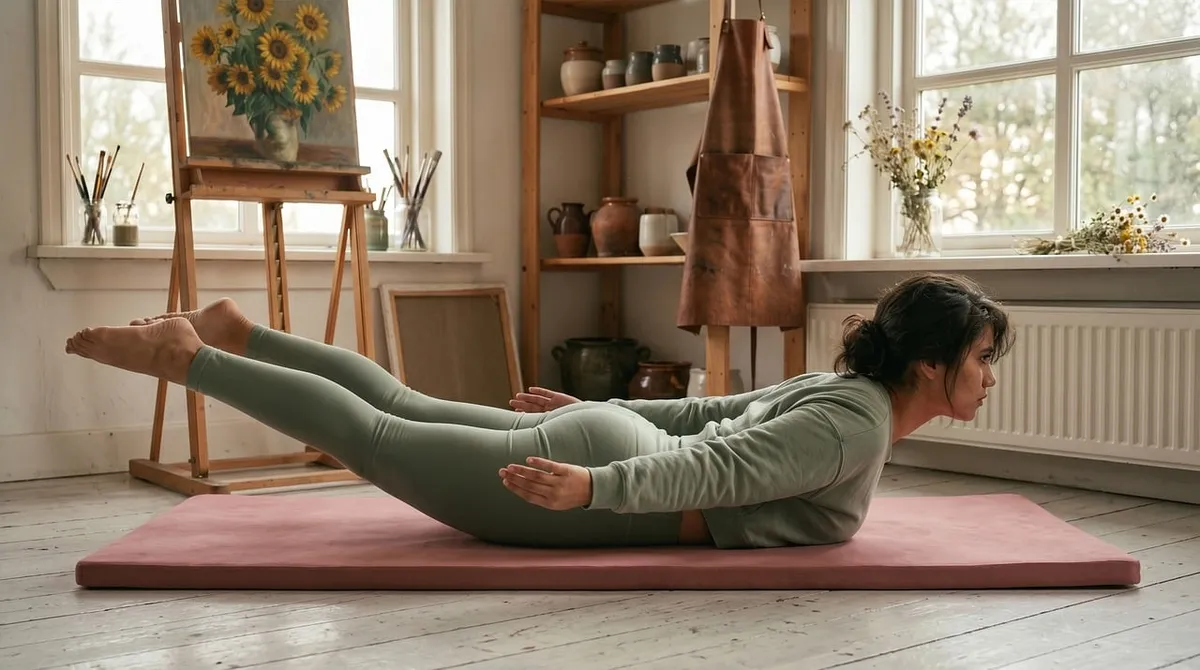
A successful start-up involves three essential steps: 1. Define a specific time of day for your session to build mental readiness. 2. Clear enough floor space to move your arms and legs without hitting furniture. 3. Select exercises that target major muscle groups like legs, core, and back.
I once spent an entire morning just moving a coffee table to create a workout zone before I even began my first squat. This preparation makes the transition from rest to activity much smoother.
Following these steps helps you transition from a sedentary state to an active one without unnecessary friction.
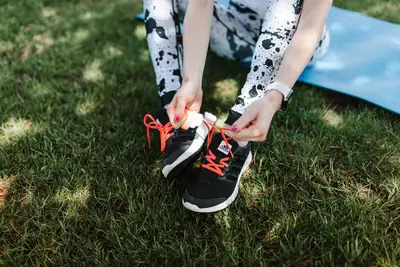
A final check involves ensuring your footwear is appropriate and your path is clear of tripping hazards. This ensures that your first session remains focused on movement rather than accident prevention.
In this sequence, the first step is the most critical for building consistency.
How can you manage time during a first-day home exercise?
You glance at a wall clock, realizing how quickly time passes when you are focused on breathing and movement. Managing your time is crucial to prevent the fatigue that often leads to quitting after the first week.
A structured approach keeps your gym sessions under 45 minutes. This duration is sufficient to provide a stimulus to your muscles without causing excessive exhaustion. Keeping sessions brief helps maintain high motivation levels during the initial weeks of your journey.
| Routine Type | Typical Duration |
|---|---|
| Focused Strength | Under 45 minutes |
| Mobility/Stretching | Under 45 minutes |
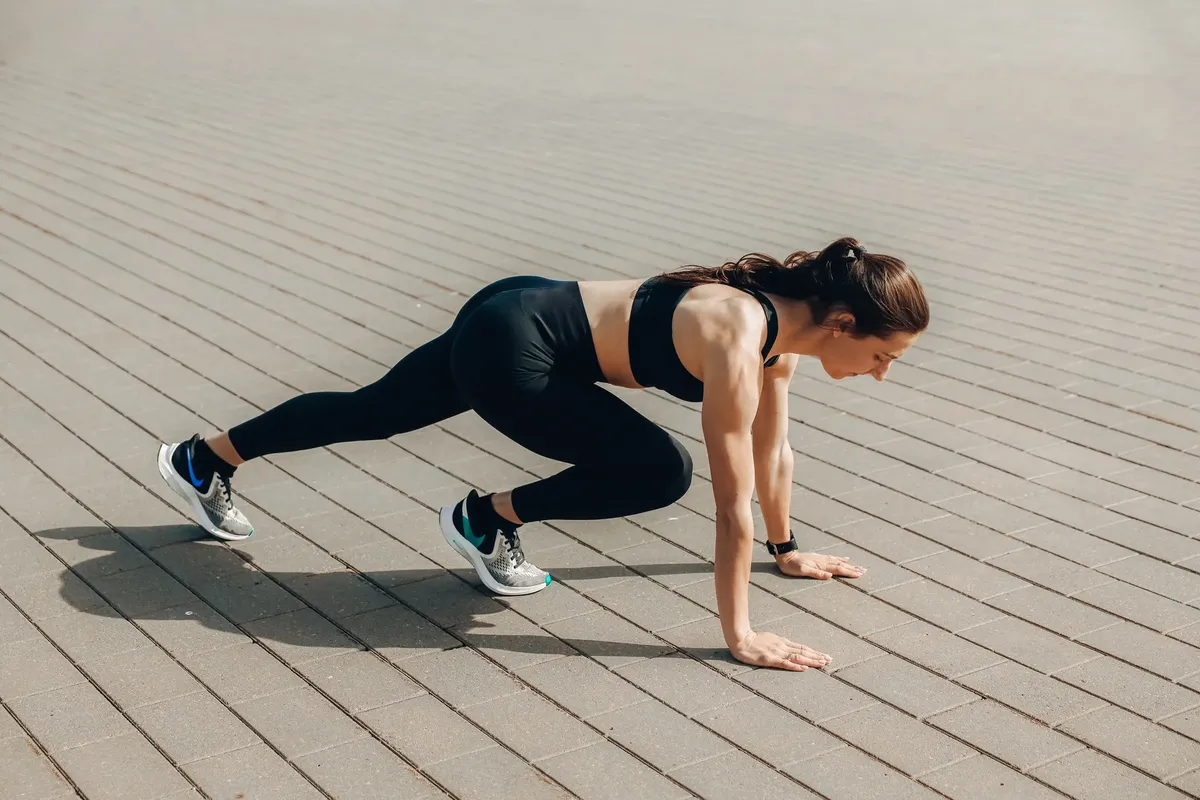
Using a structured timeframe prevents the session from dragging on, which can lead to boredom or loss of focus. This time-boxed approach is an easy home workout plan that anyone can fit into a lunch break or an early morning.
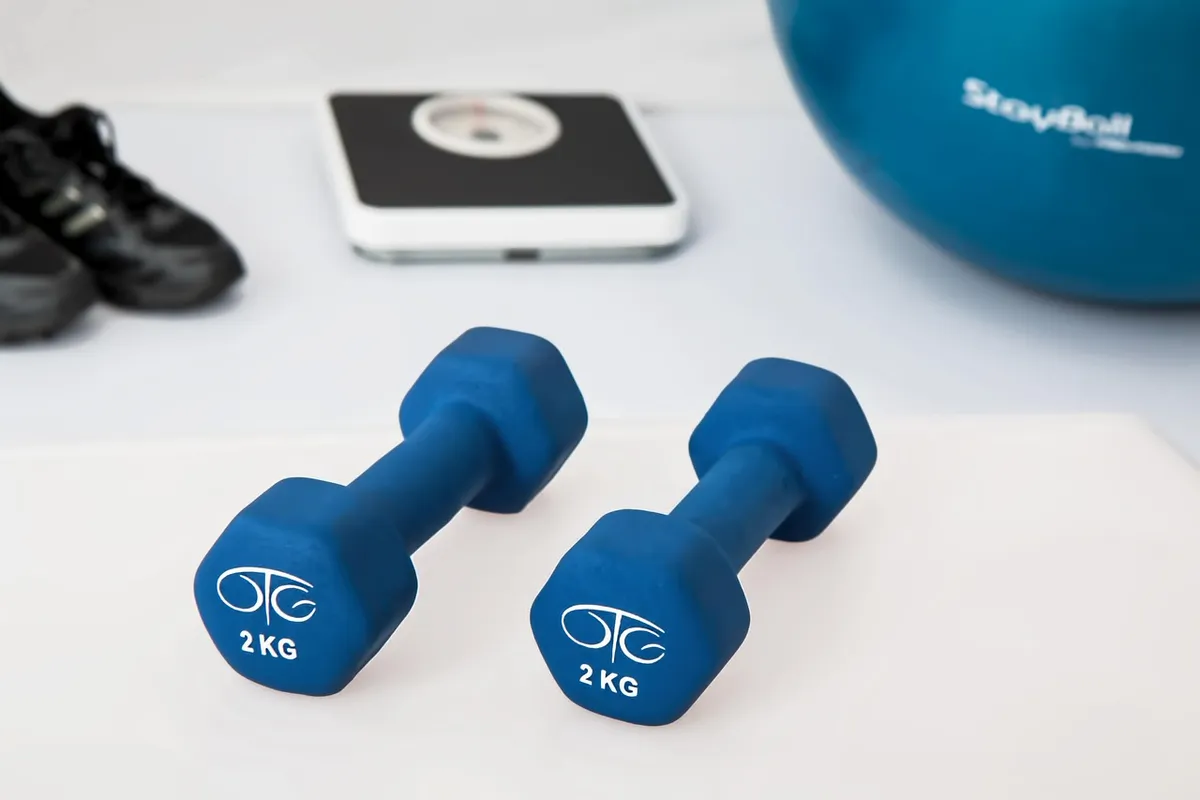
What equipment do I need to work out safely at home? You pick up a small towel to wipe sweat, realizing you do not need a warehouse of gear to be effective. Many beginners believe they need expensive machines, but a safe home workout guide emphasizes using what you have or starting with minimal tools.
While specialized equipment can be helpful, you can achieve significant results with just your body weight. If you do choose to purchase accessories, consider items that enhance comfort or basic stability.
For example, items like a Barbell Squat Pad ($75.90 USD), an Extender Belt ($108.90 USD), or a Workout Towel ($75.90 USD) can be added as you progress.
Always prioritize form over the amount of equipment you own. If you use weights, ensure you have the space to move safely. A simple beginner routine can be performed anywhere, making it accessible regardless of your living situation.
How do you handle physical limitations during a routine?
You sit on the edge of a chair, feeling the tension in your legs after a series of movements. Understanding your own physical boundaries is the most important part of any exercise plan.
According to BMJ open, the study will recruit 40 adults with a first-ever ischaemic or haemorrhagic stroke and mild-moderate lower limb paresis from two acute stroke units.
Some individuals may face specific health challenges that require modified movements. For example, research in BMJ open (2021) discussed recruiting 40 adults with a first-ever ischaemic or haemorrhagic stroke and mild-moderate lower limb paresis.
Such conditions require highly specialized, medically supervised programs rather than general advice.
If you have an existing condition, work with a professional to adapt exercises. For healthy adults, the focus remains on gradual progression. Avoid jumping into high-intensity interval training if your joints or cardiovascular system are not prepared.
Related
What are the cautions regarding routine progression?
Progression from a beginner routine requires careful attention to how your body responds to increased demands.
The hardest part of a workout is not the movement itself, but the decision to begin when the gym is just a corner of your living room, and this initial decision must be followed by cautious scaling.
When moving beyond basic bodyweight movements, always compare the new exercise to the previous one to gauge the difference in difficulty. If the added intensity feels too great, revert to a simpler variation to maintain the habit without risking injury.
For individuals who are healthy adults, the guideline suggests gradual progression, meaning sudden increases in workload are discouraged. This cautious approach ensures that the foundation built during the initial weeks remains stable as you seek greater fitness.
When should I reassess my workout plan?
Reassessing your plan should occur when you notice your current routine no longer presents a sufficient challenge to stimulate adaptation. Since the goal is sustainable progression, stagnation in effort signals a need for modification.
If you consistently complete all planned sets and repetitions with ease, it indicates that the body has adapted to the current load.
At this point, you might introduce a slightly more demanding bodyweight variation or increase the session duration marginally, provided it stays within the established time limits.
Remember that the initial focus on consistency and time management must be balanced against the need for physical stimulus. Changing the routine prevents the body from becoming accustomed to the exact same level of effort.





Comments 0