Beginner workout tips: 45 minutes to safe exercise routine
"The hardest part of any fitness journey is not the heavy lifting or the long runs, but the decision to show up when your body is still learning how to move."
Starting a new fitness routine requires a balance of gradual progression and careful injury prevention. This guide provides five key areas of focus for those beginning their journey, covering everything from initial walking to managing physical limitations.
Key takeaways include prioritizing gradual intensity, understanding skill levels, and managing session length.
How to begin a new exercise routine safely?
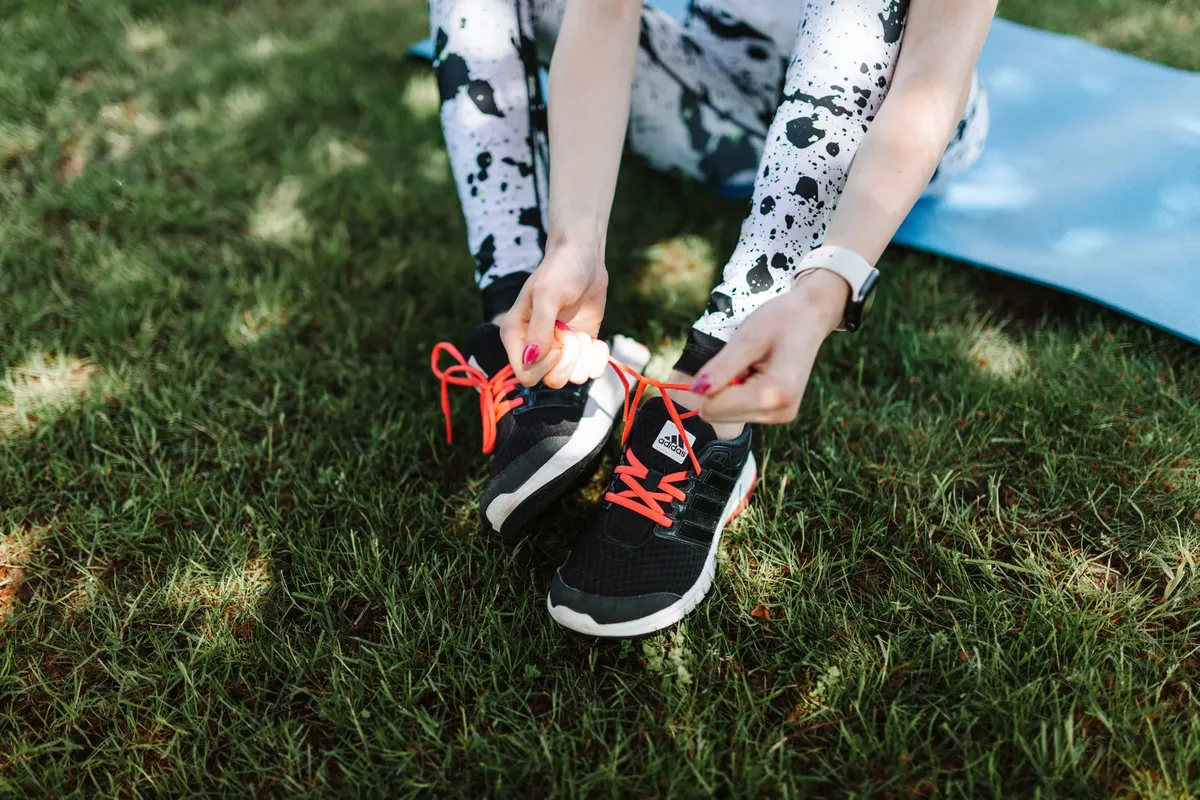
At dawn, I lace up my shoes in the quiet hallway, feeling the stiff fabric as a beginner prepares for a long walk.
A pair of running shoes sits by the door, waiting for the first trek around the neighborhood. Starting a fitness journey requires a transition from sedentary habits to active movement through structured, low-impact activities.
First-time exercise advice often emphasizes the importance of building a base through walking before attempting more strenuous activities. For instance, one effective way to start is by getting comfortable walking for 20 minutes. After that period, you can increase the challenge to a 30-minute walk.
This gradual increase helps the body adapt to new movement patterns without overwhelming the joints.
A light jog can be introduced as a way to build stamina. You might pick up the pace for a minute or even just 30 seconds if the intensity feels too high. If you follow this pattern for 10 minutes and then walk normally for the final 10 minutes, you still achieve a productive 30-minute session.
Following these steps ensures you are building endurance without jumping straight into high-impact training.
What role does skill level play in injury prevention? Beginner workout tips
In the dim light of the local gym, I tighten my grip on a heavy barbell, feeling the sudden ache in my wrists as a beginner learns the cost of poor form.
A gym floor echoes with the sounds of weights being moved and feet hitting treadmills. Understanding how physical condition and skill levels affect the body is vital for long-term success.
According to Healthcare (Basel, Switzerland) (2024), having beginner or intermediate skills in one's sport, alongside being in good physical condition, reduced injury severity among certain sports participants.
This suggests that even at a beginner level, focusing on proper form and gradual skill acquisition is beneficial.
New exerciser safety is often tied to how well a person manages their physical limits. Being a lifestyle athlete or maintaining good physical condition can help mitigate the severity of injuries.
This is particularly relevant for those in their 20s and 30s who are integrating new sports into their lives.
How can you manage workout duration effectively?

As the sun rises over the park, I wipe sweat from my brow and check my watch, realizing that a short walk is enough for a beginner to finish the morning.
A digital clock on the wall counts down the minutes during a morning session. Managing the time spent in the gym is essential for maintaining consistency and preventing burnout.
Starting fitness guide principles often suggest keeping sessions manageable to ensure they fit into a daily schedule. For example, certain routines are designed to keep gym sessions under 45 minutes. This prevents overtraining and allows for easier adherence to a weekly schedule.
| Activity Type | Suggested Duration |
|---|---|
| Initial Walking | 20 Minutes |
| Extended Walk | 30 Minutes |
Using these timeframes helps ensure that the intensity remains appropriate for a beginner. If you find that a session is too long, adjusting the pace or the duration can help you stay on track.
How does consistency affect long-term success?
A person checks their progress in a notebook after a morning walk. Success in fitness is rarely about a single workout but rather the ability to stick to a plan over time.
Starting a fitness journey is a marathon, not a sprint. According to Behavioral medicine (Washington, D.C.) (2024), self-efficacy and program adherence were significant predictors of success for participants meeting a training goal of running for 30 minutes continuously.
This shows that the mental ability to stick to a routine is just as important as the physical activity itself.
The process of building a habit requires patience. In one study, 47 participants (75% of those completing the follow-up assessment) reported meeting their training goal. This highlights how adherence and the psychological readiness to continue are key drivers of progress.
What are the specific steps for a running practice?
A quiet park path stretches out ahead, clear and inviting. Transitioning from walking to running requires a structured approach to avoid sudden strain.
To start your running practice, follow these three steps:
- Get comfortable walking for 20 minutes to prime the body. 2. Increase the level to a 30-minute walk once the initial phase feels manageable. 3. Incorporate light jogging for one minute or 30 seconds to build cardiovascular capacity.

I found that alternating between walking and short bursts of jogging helps manage the initial physical load. For example, if you walk for 10 minutes of the total time after a jog, you can still maintain a productive routine.
This method allows you to build up to longer running durations without the sudden impact of continuous running.
A final check involves monitoring how your body feels after these transitions. If a one-minute jog feels too intense, you can adjust the duration to 30 seconds.
The subject here is Beginner workout tips.
The same subject is also called First time exercise advice.
The same subject is also called Workout beginner care.
This part also covers How to start exercising safely.
Related
- Strength training: Modern workout routine design tips
- Sleep data exercise balance: 7 hours sleep guide
What are the cautions when increasing intensity? 1. When transitioning from walking to jogging, if a one-minute jog feels too intense, you can adjust the duration to 30 seconds. 2. Increasing the challenge from a 20-minute walk to a 30-minute walk helps the body adapt to new movement patterns without overwhelming the joints. 3. Following the pattern of jogging for a short period and then walking normally ensures you are building endurance without jumping straight into high-impact training.
The hardest part of any fitness journey involves managing these increases safely. A light jog can be introduced as a way to build stamina, even if you only pick up the pace for a short duration initially. This careful pacing is crucial when starting out.
How does adherence relate to the hardest part of the journey? The hardest part of any fitness journey is often the decision to show up when your body is still learning how to move. Program adherence, which is the ability to stick to the plan, is a significant predictor of success. Self-efficacy, or belief in one's ability to continue, plays a major role in this adherence.
Maintaining consistency, even when the workouts are short, supports the overall goal. The process of building this habit requires patience, recognizing that progress is not immediate.








Comments 0