How to manage a one time daily fitness schedule?
"Resistance training is non-negotiable for longevity and metabolism."
A daily home workout guide focuses on consistency and structured movement to build lasting health. This routine involves integrating strength training, cardio, and flexibility into a manageable weekly schedule to prevent injury and promote metabolic health.
Key takeaways include lifting heavy 2–4 times a week, prioritizing rest between sets, and allowing 8 to 12 weeks for significant physiological changes.
How to start home workouts?

Standing in a quiet living room, you prepare to move through a series of controlled exercises to wake up your muscles. A beginner workout at home starts with understanding that consistency matters more than intensity in the early stages.
According to the International journal of nursing studies, the intervention group (n = 21) showed a decreased depression score compared with the control group (n = 23) (t = 4.041, p = .027).
A basic routine begins with movement preparation to prime the joints. You should incorporate daily stretching, as even 5 minutes of dynamic stretching improves blood flow. This initial step ensures the body is ready for more intense loading.
The focus remains on movement quality to prevent injury. If you find yourself struggling with motivation, try a quick 20 minute workout routine in the morning before your brain realizes what is happening. This approach helps build the habit of movement without the mental barrier of long sessions.
- Clear a dedicated space in your home to minimize distractions.
- Gather essential equipment like resistance bands or dumbbells.
- Establish a consistent time of day to begin your sessions.
What is a safe home exercise routine? Daily home workout guide
Placing a yoga mat on the floor, you prepare for a session that balances intensity with recovery. A safe home exercise routine requires a structured approach to prevent overtraining and physical strain.
A weekly schedule might look like this: Monday is lower body strength, Tuesday is 30 minutes of steady-state cardio, and Wednesday is upper body strength. This structure provides variety while ensuring each muscle group is not overworked.

To maintain safety, follow a specific timing protocol for bodyweight movements. Perform each movement for 40 seconds, rest for 20 seconds, and complete 4 total rounds. For example, during bodyweight squats, keep your chest up and push the knees outward.
A safe routine focuses on full-body movements that target major muscle groups while incorporating dynamic stretching to prepare the joints.
How to manage a one time daily fitness schedule?
Walking into the room at the same time every morning, you establish a rhythm that makes exercise a natural part of life. A one time daily fitness plan works best when it follows a predictable structure.
According to the Control Center, tvOS 14, which was released on September 16, 2020, added direct control of devices in Control Center and camera feeds and picture-in-picture monitoring for HomeKit-enabled security cameras.
Resistance training is a core component of a healthy lifestyle. Lift heavy 2–4 times a week, as resistance training is non-negotiable for longevity and metabolism. This frequency allows for adequate recovery while stimulating growth.
Rest is just as important as the lifting itself. Allow 2-3 minutes of rest for heavy lifts to ensure your nervous system recovers. Skipping this rest period can lead to fatigue and poor form during subsequent sets.
To manage a single daily session, prepare your workout gear in advance and set a specific block of time to ensure the workout remains a priority.
How to use basic home exercise tips for progress?
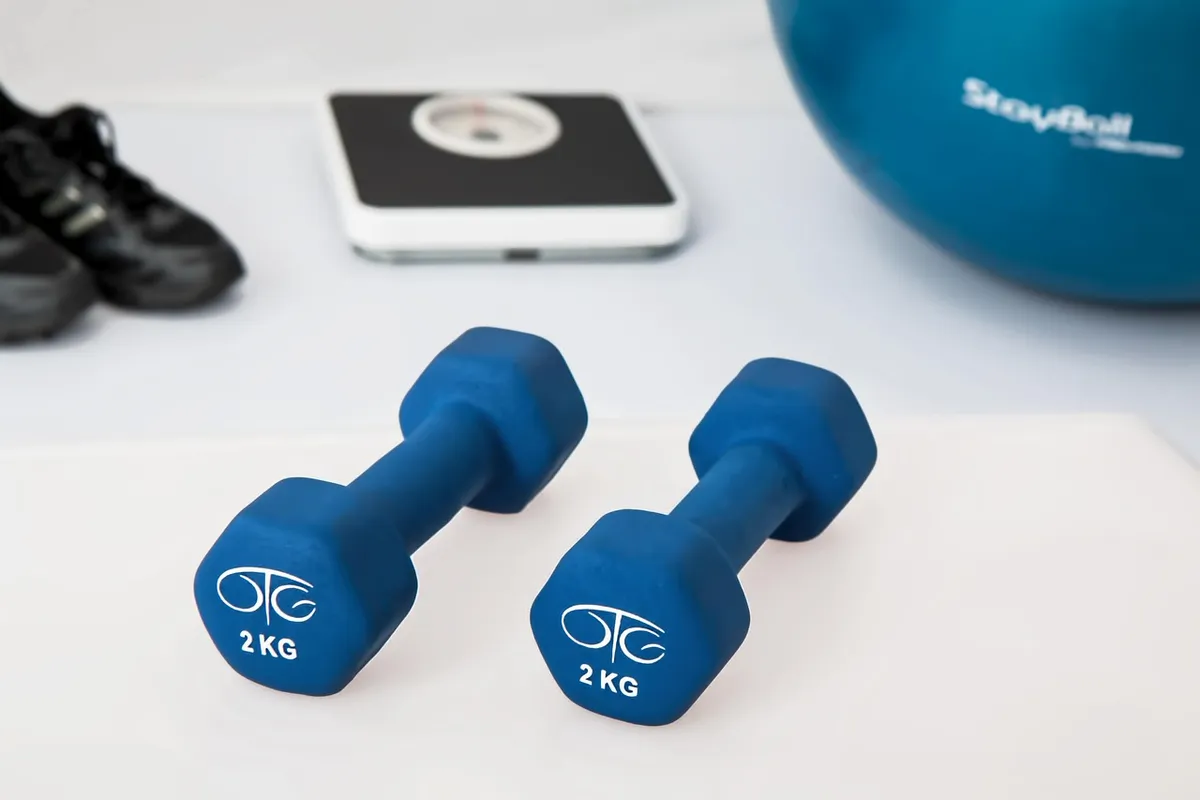
Lifting a pair of dumbbells, you realize that progress is a gradual journey of small increments. Using basic home exercise tips effectively means applying the principle of progressive overload to ensure continuous adaptation.

You must apply progressive overload, meaning you try to add 5 lbs to the bar every week or two. This gradual increase keeps the body challenged without causing sudden injury. Use progressive loading; do not jump from a 20 lb dumbbell to a 50 lb dumbbell in one week.
Progress is not always visible immediately. Give it time, as it takes at least 8 to 12 weeks to see significant physiological changes. Patience is necessary to see the results of your hard work.
Track your repetitions and sets to ensure you are gradually increasing the difficulty over time.
What are the risks of overtraining?
Feeling exhausted after a workout, you consider whether you have pushed too hard. A daily routine for fitness must account for the body's need to recover to avoid burnout.
You should only perform these fitness tips for rapid fat loss 1 to 2 times a week to avoid overtraining. Excessive intensity without sufficient recovery can lead to injury or metabolic fatigue.
Prioritize 7–9 hours of sleep, which is when your body releases human growth hormone to repair tissues. Without adequate sleep, the body cannot recover from the stress of exercise.
Overtraining can lead to persistent fatigue, increased injury risk, and disrupted sleep patterns.
How to balance intensity and recovery?
Sitting quietly after a session, you reflect on the balance between effort and rest. A safe home exercise routine balances high-intensity work with enough downtime to rebuild.
A standard HIIT protocol involves 20 seconds of all-out effort, like sprinting or burpees, followed by 40 seconds of complete rest. This structure allows for high intensity while managing the cardiovascular load.
| Activity Type | Frequency/Duration |
|---|---|
| Heavy Lifting | 2–4 times a week |
| Dynamic Stretching | 5 minutes daily |
I found that following the 2-3 minute rest rule helped me maintain better form during heavy lifts.
A limitation of these tips is that they do not account for individual medical conditions, such as those requiring specific clinical supervision.
Alternate high-intensity days with low-impact active recovery to allow muscle tissues to repair.
The subject here is Daily home workout guide.
This part also covers Safe exercise for beginners.
Related
- Beginner home workout routine: Tips for safe start
- Bodyweight Full body home workout order tips guide
When should I incorporate flexibility into my routine? Flexibility should be integrated daily to support the intensity of your resistance training. Incorporating daily stretching, even for five minutes, helps improve blood flow before any strenuous activity begins. This practice prepares the joints for the loading that comes with strength training, reducing the likelihood of strain during workouts.
What should I watch out for during resistance training? One caution regarding resistance training is the risk of overtraining if recovery is neglected. If you feel exhausted after a session, you must assess whether the intensity level is appropriate for your current recovery state. Prioritizing sufficient sleep aids the body's natural repair processes following strenuous lifting.
The comparison between high-intensity interval training and steady-state cardio shows different benefits for metabolic health. HIIT involves short bursts of maximal effort followed by rest, whereas steady-state cardio maintains a consistent, moderate pace for a longer duration.








Comments 0