Squat Safety: Eliminate 5 Common Form Mistakes Now
"Common squat posture errors can lead to injury, but correcting them is key to building functional strength."
Correcting your squat form involves maintaining a neutral spine, keeping your knees aligned with your toes, and engaging your glutes to stabilize the pelvis. Most errors stem from a lack of core tension or improper hip mobility, which shifts the load from your muscles to your joints.
Key Takeaways * Lower back pain is reported by 3% to 6% of exercisers in the United States due to improper spinal alignment. * Correcting your form and incorporating targeted training can lead to a 25% reduction in hamstring injury incidence.
* Visual feedback and core engagement are essential for stabilizing the pelvis and protecting the spine [S2, S3]. * Muscular activation varies significantly between exercises, specifically for the gluteus medius and maximus.
What is the most common squat posture error?
I watched a man at the local gym yesterday, sweating through a heavy set, as his lower back rounded dangerously low. He wasn't just tired; his entire spinal alignment was collapsing under the weight.
The most frequent issue seen in training environments is arching or rounding the back. According to the American family physician (2019), the incidence in the United States of issues related to this type of training is between 3% and 6%.
This lack of spinal stability often leads to the very lower back pain that keeps people away from the weight room.
Another widespread error is the excessive forward lean. When the torso drops too far forward, the body compensates by overworking the hamstrings to prevent a fall. This shift in mechanics often means the legs aren't doing the heavy lifting they were designed for.
Finally, many beginners struggle with "knee valgus," or knees caving inward. This happens when the glutes fail to engage, leaving the knee joint to absorb lateral forces it isn't built to handle. This lack of lateral stability is a primary driver of joint strain.
But the problem isn't just about what happens at the bottom of the movement; it's about how your hips behave during the transition.
How to correct a forward lean?
The gym floor is cold under my feet as I set my feet shoulder-width apart, preparing to check my own midline. I focus on my belly, making sure it feels tight before I even begin the descent.
I remember when I first started training in 2022, I would constantly tip forward because I hadn't learned to breathe into my core.
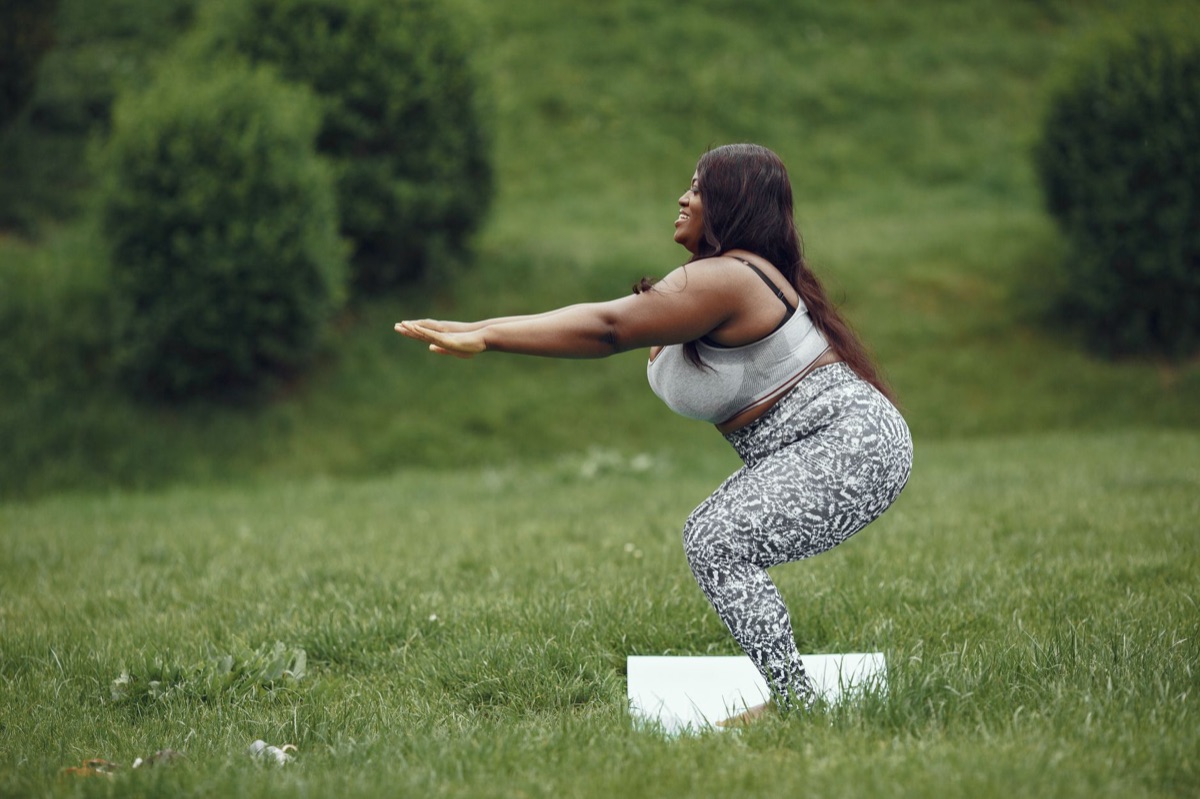
To fix a forward lean, you must prioritize core engagement. Tightening your abdominal muscles creates an internal "brace" that stabilizes the spine and keeps the torso upright. Without this tension, the weight will naturally pull your chest toward the floor.
You also need to focus on pelvic positioning. By squeezing the glutes effectively, you can prevent the pelvis from tilting in a way that causes lower back pain. This keeps the center of gravity over your mid-foot rather than your toes.
If you are training alone, use a mirror. It has been noted that visual feedback is a powerful tool for correction, as seeing the deviation helps the brain recalibrate the movement.
Even with a straight torso, you might notice one side of your body behaving differently than the other.
Why is hip hike a problem?
I noticed a trainee during a morning session whose right hip seemed to "hike" upward every time she reached the bottom of her rep. It looked like a jerky, uneven movement that lacked any fluid rhythm.
According to The Journal of orthopaedic and sports physical therapy, significant differences in signal amplitude were noted for the gluteus medius in 2009.
A "hip hike" or uneven pelvic tilt often indicates a significant muscle imbalance.
Research published in The Journal of orthopaedic and sports physical therapy (2009) noted significant differences in signal amplitude among exercises for the gluteus medius (F5,90 = 7.9, P<.0001) and gluteus maximus (F5,95 = 8.1, P<.0001).
If one side of your hip is not firing correctly, your pelvis will tilt.
This imbalance doesn't just make the exercise less effective; it creates uneven loading on the sacroiliac joint. To fix this, you must focus on symmetrical glute activation. Squeezing the glutes at the top of the movement helps ensure the pelvis stays level and protects the lower back.
However, even if your hips are level, your knees might still be under siege.
| Error Type | Primary Muscle Affected | Resulting Risk |
|---|---|---|
| Rounded Back | Erector Spinae | Lower back pain |
| Forward Lean | Hamstrings/Lower Back | Spinal instability |
| Knee Cave | Gluteus Medius | Knee joint strain |
| Hip Hike | Gluteus Medius/Maximus | Pelvic imbalance |
How to prevent knee pain?
The sound of a heavy barbell hitting the rack echoed through the room, followed by a frustrated groan from a lifter who had just felt a "tweak" in his kneecap. It is a sound I hear far too often.
The American journal of sports medicine published a study in 2023 to assess the effectiveness of training programs in reducing injury incidence.
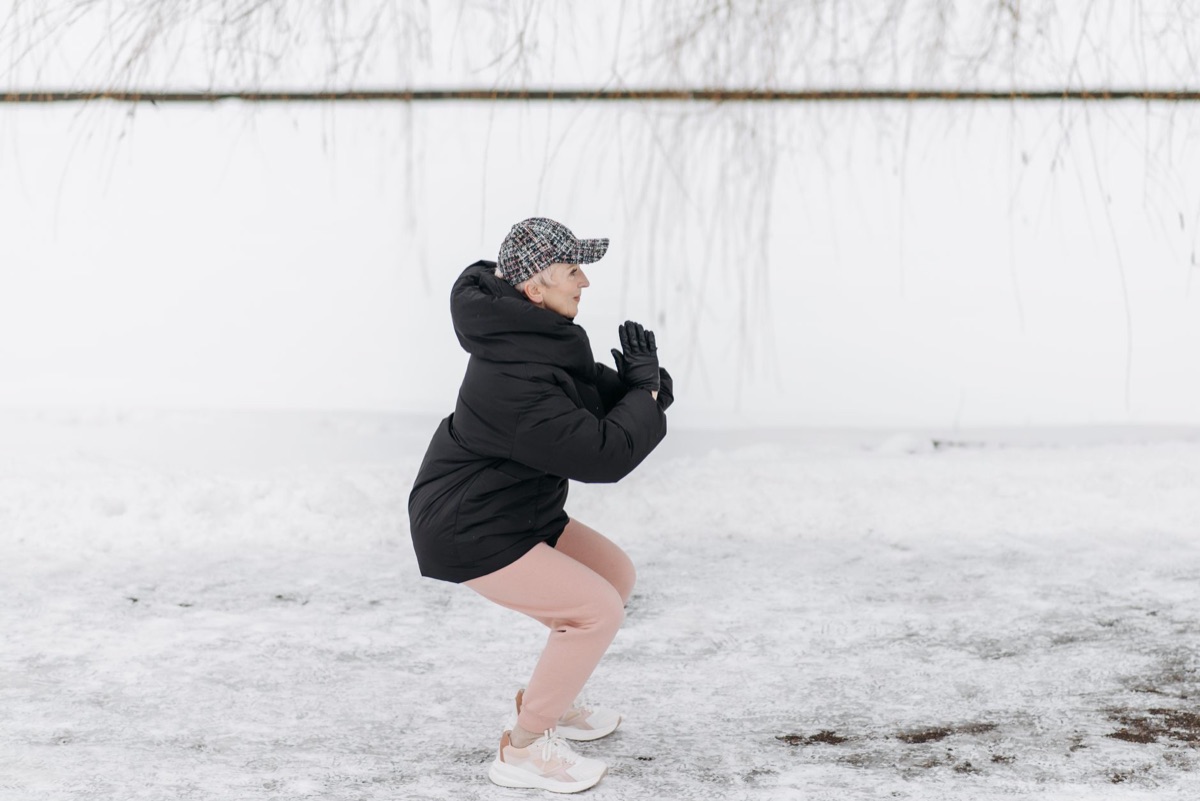
Knee pain during squats is frequently a symptom of poor tracking. If your knees move inward, they are fighting against your anatomy. Ensuring that your knees track in line with your second and third toes is the most effective way to manage this.
Evidence suggests that targeted training can mitigate these risks. Specifically, implementing evidence-based training programs can lead to a reduction in injury incidence.
For those specifically worried about the posterior chain, dedicated hamstring training is a vital component of a well-rounded routine.
Follow this step-by-step checklist to ensure your knees stay safe:
- Set your feet slightly wider than shoulder-width.
- Point your toes outward at a slight angle (roughly 15–30 degrees).
- Initiate the movement by "sitting back" into your hips, not just bending the knees.
- Drive your knees outward as you descend to prevent them from caving.
- Maintain tension in the quads and glutes throughout the entire range of motion.
What’s the role of toeing in?
I watched a beginner try to squat with his toes pointed straight forward, like a soldier on parade. As he went down, his heels lifted off the ground, and his balance vanished instantly.
Foot positioning is the foundation of the squat. If your toes are pointed too far inward (toe-in error), you create a rotational force that puts immense pressure on the medial aspect of the knee. This is often a sign of poor ankle mobility or weak hip abductors.
Proper foot placement involves a "tripod" concept: maintaining contact with the floor through the heel, the base of the big toe, and the base of the little toe.
If you lose contact with the heel, your weight shifts too far forward, which inevitably leads to the forward lean and back issues discussed earlier.
Note on Training Limits While these corrections are effective for general strength training, they are not a substitute for medical intervention. If you are experiencing sharp, radiating, or persistent pain, you should consult a healthcare professional.
These guidelines apply to healthy individuals looking to optimize movement patterns and do not account for pre-existing structural injuries.


Comments 0