Workout Stretch Routine: Pre and post workout stretch guide
"The difference between a productive session and an injury is often found in the minutes spent preparing the body or recovering after the final rep."
Effective stretching routines change based on whether you are preparing for activity or cooling down. A proper routine helps manage physical readiness and can influence how your body responds to the stress of exercise.
Key takeaways: * Differentiate between dynamic movements for preparation and static holds for recovery. * Understand the timing of muscle soreness to manage recovery expectations. * Focus on specific movement patterns to support athletic performance.
How to prepare with a warm up stretch routine?
In the early morning light, I swing my legs wide in the gym to prepare my joints for the upcoming workout.

A person stands in a quiet gym, reaching toward the ceiling before transitioning into slow, controlled leg swings. This initial phase of movement is essential to prepare the joints and muscles for the upcoming intensity.
A warm up stretch routine serves to increase blood flow and joint mobility before starting a workout. Instead of holding still, you engage in active movements that mimic the motions you will perform during your training.
This prepares the nervous system and muscles for the specific demands of the session.
One effective way to structure this is to focus on large muscle groups first. You might start with gentle rotations of the hips or shoulders to lubricate the joints. Moving through a full range of motion helps prevent stiffness during the actual exercise.
A second approach involves using dynamic movements that increase the heart rate slightly. These are not static holds but rather continuous motions that prepare the body for sudden changes in direction or speed. This type of preparation ensures the body is not caught off guard by sudden intensity.
A third step is to progress the intensity of the movements as you get closer to the main activity. You might move from gentle swings to more vigorous lunges or coordinated movements. This gradual buildup ensures that the transition to high-intensity exercise is smooth and controlled.
Finally, you should always check how your body feels as you move through these different stages. If a specific joint feels tight, you can adjust the range of motion to ensure safety.
- Start with light aerobic activity to increase blood flow.
- Perform dynamic movements that mimic your intended workout.
- Gradually increase the range of motion in each joint.
What is a cool down stretch guide?
As evening falls, I sit on the floor and feel my muscles relax during a slow post-workout stretch.
The athlete sits on a yoga mat, breathing deeply while holding a slow, deep stretch in the hamstrings. The room is quiet, and the intensity of the workout has already faded into a gentle hum.

A cool down stretch guide focuses on bringing the body back to a state of rest after physical exertion. Unlike the preparation phase, this often involves static stretching where you hold a position for a period of time. This helps to gradually lower the heart rate and relax the muscles.
The goal of this phase is to manage tension and promote a sense of calm. Holding stretches helps to lengthen muscles that have been shortened during repetitive movements. This can help mitigate the feeling of tightness that often follows a vigorous session.
You should focus on the muscle groups that were most active during your workout. If you performed a lot of running, you might focus on the calves and hip flexors. If you did upper body work, you would focus on the chest and shoulders.
It is important to hold each stretch long enough to feel a gentle pull without pain. This is different from the preparation phase, where the goal is movement rather than lengthening. This stillness allows the body to begin the recovery process.
A limitation of static stretching is that it may not be the primary driver for performance gains like sprint times or agility, as some studies show no significant enhancements in these specific areas.
In this sequence, the second step is the longest.
Why is stretching before exercise important?
A runner prepares on the track, performing rhythmic leg lifts and arm circles to wake up the body. The morning air is cool, but the movement is starting to generate internal warmth.
According to the Journal of sports sciences, no significant enhancements were observed in 20-meter sprint times or agility test performance ( p > 0.05).
Stretching before exercise helps transition the body from a state of rest to a state of activity. It is not just about the muscles; it is about preparing the neurological connection to those muscles. This readiness can make the difference between a smooth workout and a clumsy one.
The focus should be on functional movements that align with your specific goals. For example, if you are training for explosive movements, your preparation should involve movements that prime those explosive patterns. This helps the body recognize the upcoming task.

Without proper preparation, the body may struggle to reach the required range of motion during the workout. This can lead to compensations where other muscles take on too much load. Proper preparation helps distribute the physical demand more evenly.
It is also helpful to use this time to check your posture and alignment. This mental and physical check ensures you are starting the session in a stable position. This awareness is a key part of a successful routine.
How to manage a post-workout stretch routine?
The gym lights dim slightly as an individual performs a slow, seated spinal twist on the floor. The sweat is drying, and the focus has shifted to deep, rhythmic breathing.
A post-workout stretch routine is designed to facilitate relaxation and manage the physical aftermath of exercise. This is the time to address the fatigue and tension accumulated during the session. It is a vital part of a long-term training strategy.
One way to manage this is to prioritize breathing to help the nervous system shift from a state of "fight or flight" to "rest and digest." Deep, diaphragmatic breathing can assist in this transition. This helps lower the heart rate more effectively.
Another method is to focus on the specific muscle groups that were under high tension. By addressing these areas while they are still warm, you can more effectively manage tightness. This is a proactive way to handle the physical load.
A final check involves assessing any localized tension or discomfort. This allows you to decide if you need extra attention on certain areas in future sessions. Monitoring these sensations helps you adjust your routine over time.
I remember how much more relaxed I felt when I made this recovery phase a non-negotiable part of my gym time.
Can stretching prevent DOMS?
An individual wakes up the next morning and feels a slight stiffness in their legs while walking. They pause to stretch gently, acknowledging the physical sensation of recent activity.
Delayed onset muscle soreness, also known as DOMS, typically arises 48 hours after an exercise bout. While stretching is part of a routine, it is important to understand how this type of soreness relates to your activity.
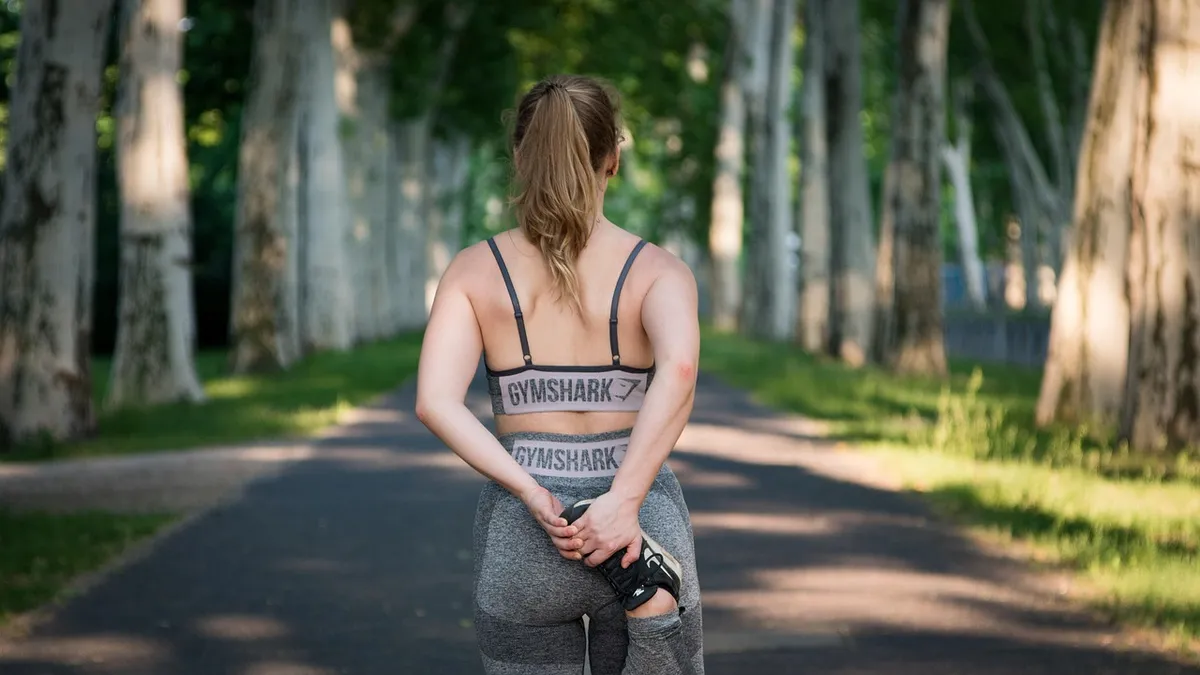
DOMS is a common physiological response to new or intense exercise. It is often characterized by stiffness and discomfort in the muscles that were worked. Understanding the timing helps you plan your training intensity and recovery.
While some people use stretching to try and alleviate DOMS, the relationship is complex. Stretching during the peak of soreness requires caution to avoid further irritation. It is more about managing the sensation than eliminating it entirely.
It is important to distinguish between the healthy discomfort of DOMS and actual injury. If a sensation is sharp or localized to a joint, it may require a different approach than standard muscle soreness.
Based on the retained excerpt mentioning Ethiopian Journal of Health Sciences: Combined training resulted in significant reductions in body composition, resting heart rate (RHR) and, BP: body weight -7.92 kg, BML -5.96 kg/m2, SBP -17.75mmHg, DBP -12.5 mmHg, RHR -8.17 bpm, and percent body fat (%BF) -6.49%.
Related



Comments 0