How to begin a beginner body part home workout?
"A beginner's journey begins not with intensity, but with the consistency of small, manageable movements."
Starting a beginner body part home workout requires a focus on fundamental movements and structural stability rather than heavy weights. This guide provides a foundational routine to help you build strength safely, while addressing the importance of environmental consistency and gradual progression.
Key takeaways: * Focus on bodyweight movements to establish form before adding resistance. * Implement a structured routine that targets major muscle groups through progressive loading. * Maintain environmental consistency to support long-term habit formation.
How to begin a beginner body part home workout?
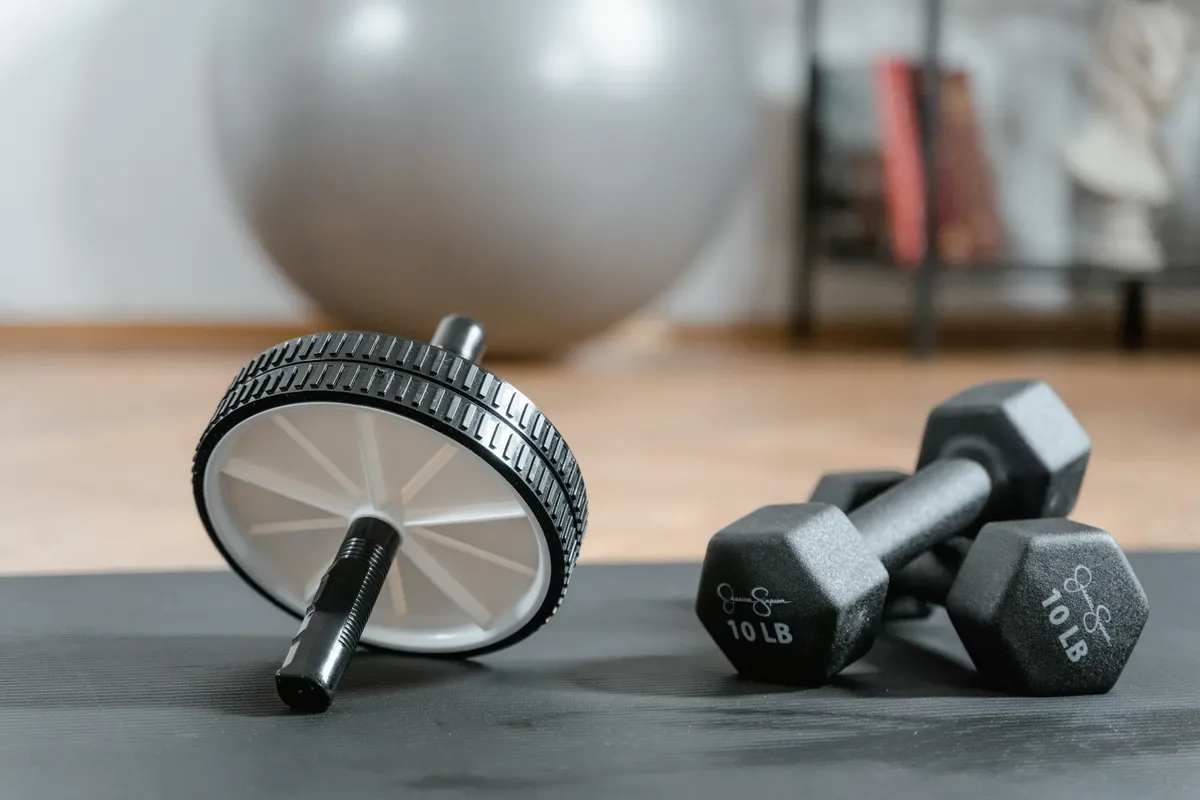
As the morning sun fills the living room, you step onto the mat to begin your first beginner body part home workout, feeling the firm floor beneath your feet.
Standing in a quiet living room, you clear a small space on the floor to prepare for your first session. You reach for a yoga mat and step onto the center, feeling the solid ground beneath your feet as you prepare to move.
A successful beginner body part home workout starts with mastering bodyweight mechanics to ensure joint stability. Instead of rushing into complex lifts, focus on movements that use your own weight to build a baseline of strength.
This approach minimizes injury risk while teaching your nervous system how to control your limbs.
You can utilize a body part exercise at home by focusing on one major group at a time, such as legs, core, or upper body. By isolating these areas, you can ensure each muscle group receives adequate attention without overwhelming your cardiovascular system.
This method allows you to track progress through increased repetitions or better control.
A routine where you focus on an area specific routine home setup ensures you have enough space to move freely. You might start with squats to engage the lower body, followed by push-ups for the chest and arms, and planks for core stability.
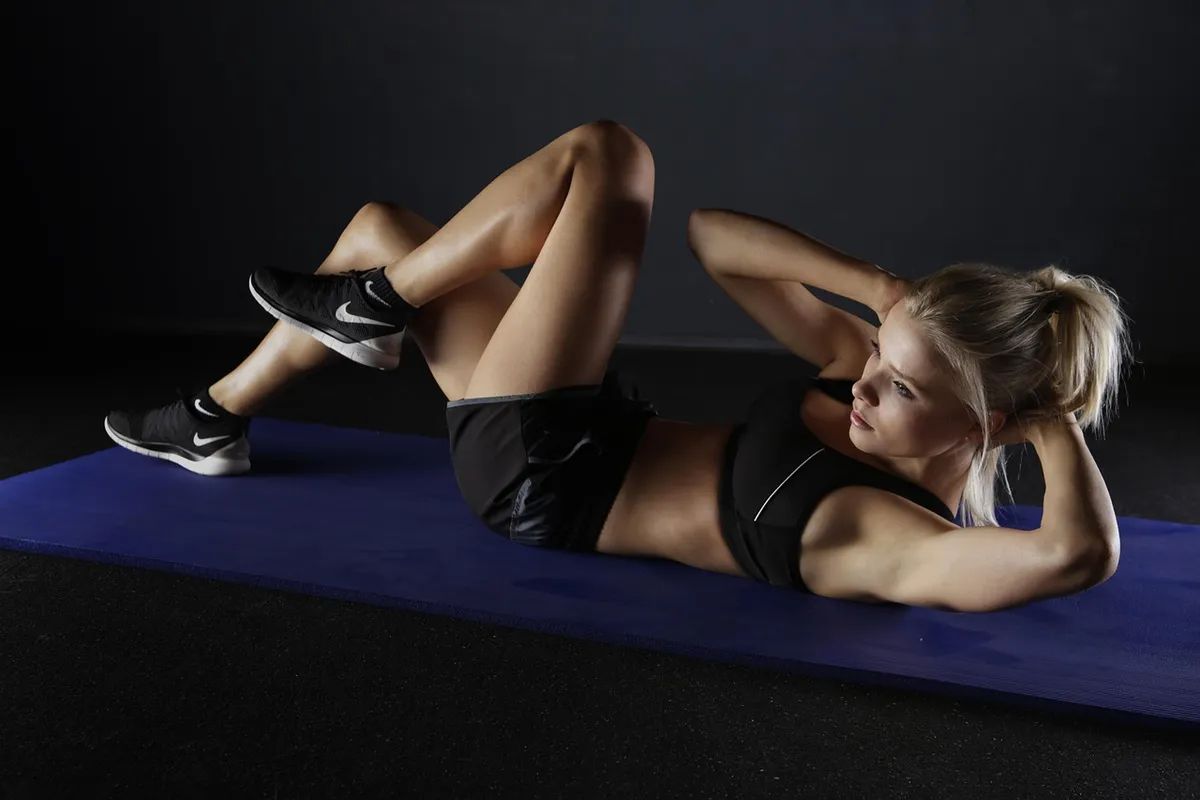
Each movement should be performed with slow, controlled tempo to maximize muscle engagement.
How do I do an easy targeted workout?
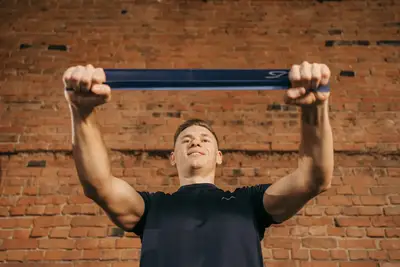
At dusk in the quiet bedroom, you sit on the floor and slowly extend your arms to begin a beginner targeted movement. You sit on the edge of a sturdy chair, checking your posture before beginning a series of controlled movements. The room is cool, and you take a deep breath, centering your focus on the physical sensations in your muscles.
To ensure a safe and effective progression, follow these three structured steps:
- Warm-up: Perform five minutes of dynamic stretching, such as arm circles and leg swings, to increase blood flow to the joints. 2. Main Movement: Execute two sets of a chosen bodyweight exercise, such as lunges or glute bridges, focusing on perfect form. 3. Cool-down: Finish with static stretching for the muscles worked to maintain flexibility and aid recovery.
After completing the movements, perform a final check by assessing your breathing and ensuring you feel challenged but not in pain. I remember my first time attempting a squat; I had to focus entirely on my balance before I could even think about adding weight.
An easy area specific workout should be adaptable to your current fitness level. If a movement feels too difficult, modify it—for example, perform push-ups against a wall instead of the floor. This flexibility prevents discouragement and keeps you moving toward your goals.
How to manage a full body beginner guide?
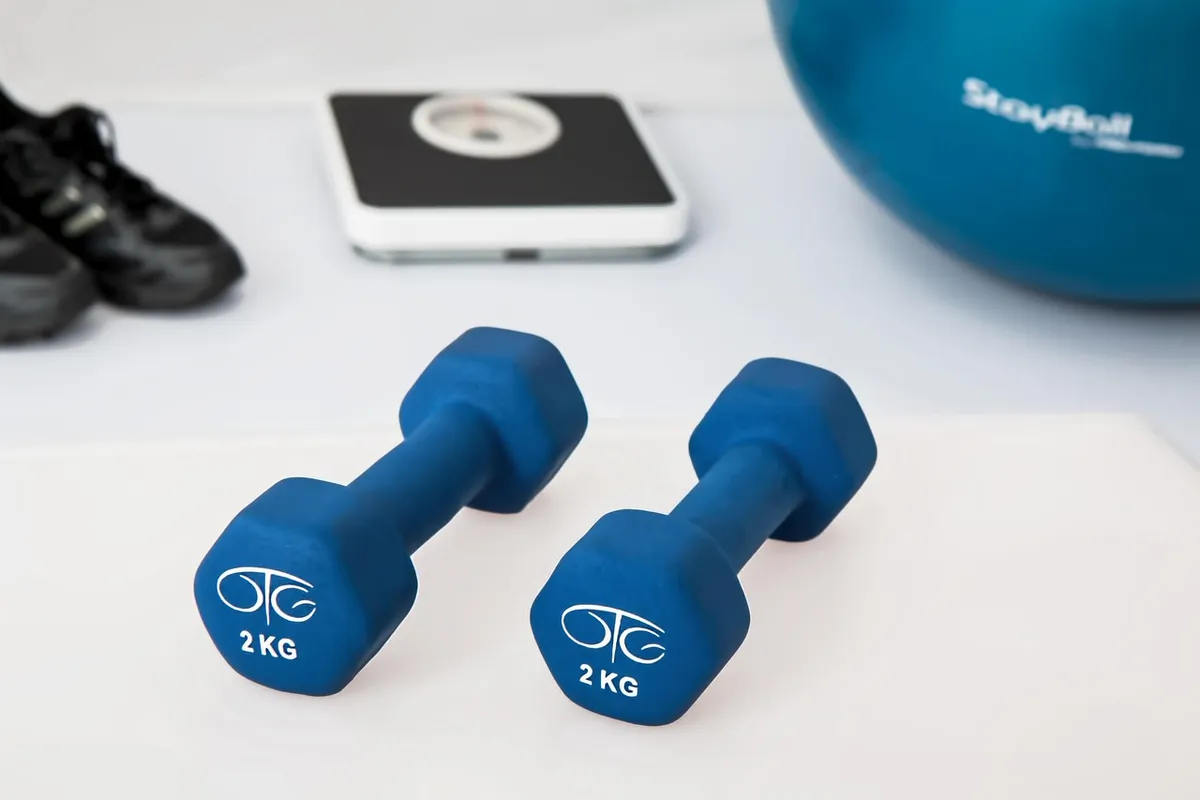
In the bright morning sun, you stand in the middle of the living room and stretch your limbs to follow the full body beginner guide.
Walking through the house, you decide to use a sturdy table for incline push-ups, turning your living space into a temporary gym. You move from one station to another, transitioning smoothly between different exercises to keep the heart rate elevated.
A full body beginner guide should prioritize compound movements that engage multiple muscle groups simultaneously. These exercises provide the most "bang for your buck" for those with limited time or equipment.
Exercises like squats, lunges, and planks are excellent because they require no special tools and target various body parts.
| Exercise Type | Primary Focus | Benefit |
|---|---|---|
| Lower Body | Legs and Glutes | Builds foundational strength |
| Upper Body | Chest, Shoulders, Arms | Improves posture and stability |
A beginner body training at home is most effective when you balance intensity with recovery. Do not attempt to train every muscle group every single day; instead, allow 24 to 48 hours of rest between sessions targeting the same area.
This recovery period is when actual muscle repair and growth occur.
What am I missing by training at home? You stand near a window, looking at the limited space available, realizing that your living room cannot accommodate large machines. You step back to ensure you won't hit any furniture during your wide-stance lunges.

One limitation of a home-based routine is the lack of heavy resistance compared to a professional gym environment. Without specialized equipment, you may eventually hit a plateau in strength gains unless you increase the difficulty through higher repetitions or harder variations.
A 12-week period of environmental improvement and counseling was noted in some studies to support habit formation, though results vary based on the specific implementation.
In a similar sense, the effectiveness of a home routine is often limited by the user's ability to maintain discipline without external supervision.
- How to begin a beginner body part home workout?
- What are the steps for an easy area specific workout?
- How to manage a full body beginner guide?
Related
- How to start No equipment full body home workout with 10 min
- Beginner 7.92 kg home stretch routine guide for new movement
When should I adjust my beginner journey? Adjusting your beginner journey should happen when the current exercises no longer present a challenge. If you can perform the prescribed repetitions with ease, it signals that your body has adapted to the current load. Progression involves modifying the exercise to increase the demand placed upon the muscles. According to the System Support Support Center, one might consider how to kickstart your 2026 fitness journey?
This adjustment process is directly related to the principle of progressive loading mentioned earlier. By making the movements harder, you continue to signal your body to adapt and strengthen. For example, moving from knee push-ups to standard push-ups represents a clear step up in difficulty.
Maintaining this cycle of consistent effort and gradual adjustment is what transforms a short-term effort into a sustainable fitness habit. The beginner's journey thrives on this careful calibration between challenge and capability.
What conditions signal a need for rest? Rest is necessary when the body shows signs of overexertion or discomfort beyond typical muscle fatigue. If you experience sharp pain during any movement, you must cease the exercise immediately. This caution prevents injury while you continue your beginner journey.
Listen to your body's signals regarding soreness; while some muscle burn is expected, joint pain is a warning sign. Adhering to the recommended rest periods between sessions targeting the same area ensures that muscle repair can occur effectively. This recovery time is critical for strength gains.
The environmental consistency you establish supports your ability to recognize these physical conditions reliably. A stable routine allows you to better monitor how your body responds to the training stimulus.


Comments 0