Post workout muscle soreness care: Tips for cold immersion
"The absence of pain reports from participants 48 hours after the intervention" serves as a clear indicator of how specific recovery strategies can change the post-exercise experience.
Effective post workout muscle soreness care involves managing the physical transition from intense exertion to rest through temperature-based interventions and natural physiological processes.
This guide covers cooling applications, the role of natural recovery, and practical steps for managing discomfort. Key takeaways include the potential of cold water immersion to reduce pain prevalence and the importance of recognizing natural recovery windows.
How can cooling help with post workout muscle soreness care?
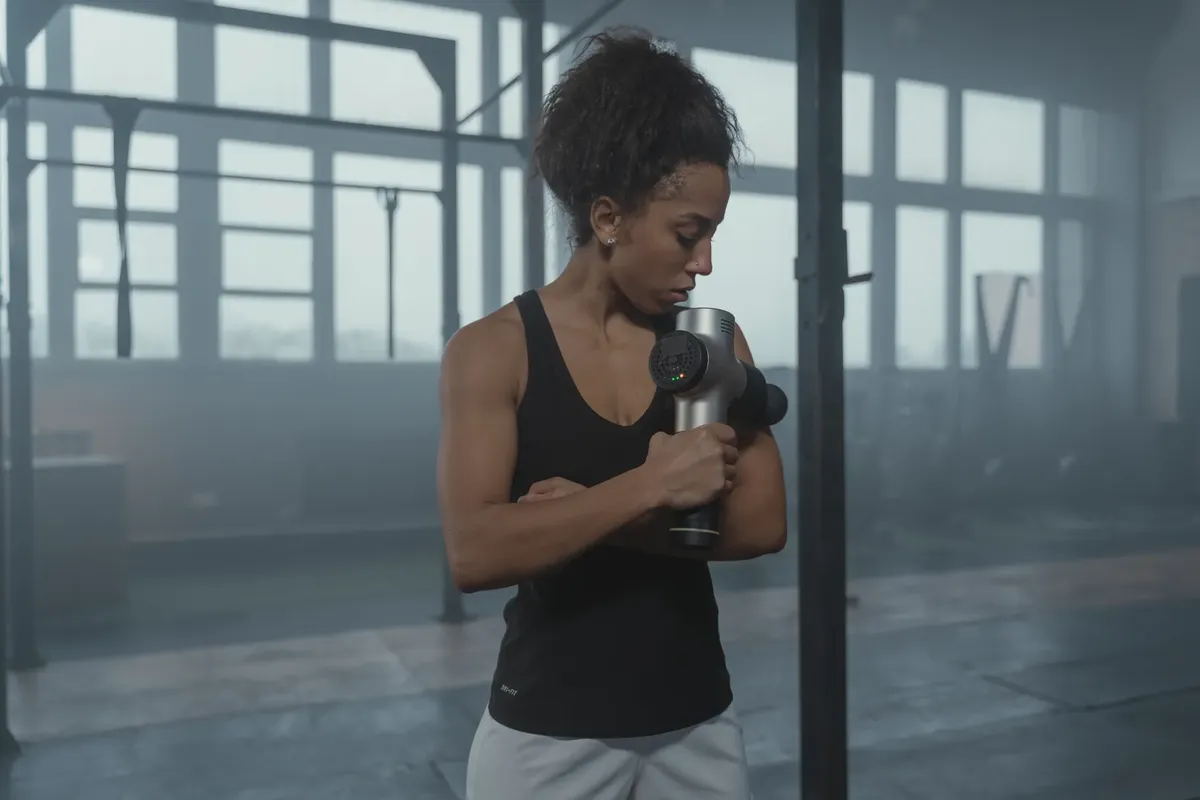
A person steps into a chilly room, feeling the sudden drop in temperature against their skin as they prepare for a recovery session. Utilizing cooling applications can significantly alter the recovery trajectory following exhaustive exercise protocols.
According to PloS one (2015), researchers have investigated the effects of different cooling applications compared to passive post-exercise strategies on recovery characteristics for up to 96 hours. These methods aim to address various physiological changes following intense physical activity.
One method involves alternating temperatures to stimulate the body. For instance, a procedure might involve one minute in a cold tub (10–15 degrees Celsius) followed by two minutes in a hot tub (37–40 degrees Celsius), repeated three times.
The temperature within a cold tub can vary, but it is usually in the range of 50–59 degrees Fahrenheit or between 10 and 15 degrees Celsius. Some reports have even suggested that ten minutes immersed in 15 degree Celsius water might be sufficient for certain needs.
Another approach involves using ice to maintain specific temperatures. Some practitioners keep adding ice to keep the temperature at around 55 degrees Fahrenheit. This type of targeted thermal application is a common way to manage the immediate aftermath of training.
Applying cold temperatures can help manage discomfort by reducing localized inflammation and numbing sensitive nerve endings.
Can I expect natural recovery after exercise?
A runner watches the clock, noting how their legs feel different each day after a long distance run. Understanding the timeline of muscle repair is essential for anyone looking to reduce workout soreness effectively.
Biological markers and physical capabilities change as the body heals. According to the Journal of sports science & medicine (2026), hamstring flexibility, YBT scores, and CK levels showed significant time effects, indicating natural recovery over 48 hours.
This natural progression means that the body undergoes significant changes during the first two days after a workout. While soreness is common, these physiological shifts represent the body's internal efforts to return to baseline.
Natural recovery is not just about muscle tissue but also about functional movement. As the 48-hour window progresses, the combination of flexibility and biochemical changes helps define the recovery phase.
A fast muscle recovery guide often emphasizes that while interventions help, the body has its own inherent mechanisms. Recognizing these natural shifts helps in planning subsequent training sessions without overtraining.
While the body naturally repairs itself over time, external cooling can be used to manage the immediate sensations of soreness.
What does research say about pain reduction?
A participant sits quietly, reflecting on the physical sensations following a structured recovery intervention. Scientific findings provide insight into how much relief these methods can actually provide.
The impact of cold water immersion is well-documented in recent studies. According to PloS one (2025), findings clearly demonstrate that CWI significantly reduces pain prevalence, both at rest and during exercise.
This reduction is particularly notable in the timeline following the intervention. The study noted an absence of pain reports from participants 48 hours after the intervention.
Such results suggest that the intensity of discomfort can be managed through specific protocols. This makes cooling a valuable tool for those seeking to ease muscle ache during the critical windows following exercise.
While the reduction in pain is a primary goal, the timing of these interventions matters. Managing the immediate post-exercise period can set the stage for the 48-hour recovery window.
Evidence suggests that cold exposure can effectively mitigate the perception of muscle pain following intense physical activity.
How do I prepare for a cold immersion session?
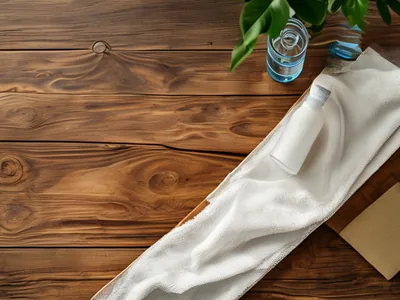
A person gathers their gear, selecting a warm towel and thick socks to prepare for the transition from warmth to cold. Preparation is key to ensuring the experience is manageable and safe.
To manage the shock of the cold, some individuals take specific preparatory steps. Before getting in, one might put on a down jacket and a hat and neoprene booties, make themselves a cup of hot tea, and collect some entertaining reading material to help the next 15 to 20 minutes pass quickly.
Effective management of the session requires following these steps:
- Prepare all necessary warm gear, such as hats or booties, to prevent excessive heat loss immediately after exiting the water. 2. Set the water temperature according to the desired protocol, often between 50 and 59 degrees Fahrenheit. 3. Monitor the duration of the immersion to ensure it aligns with the intended recovery goal.
I remember preparing for a session by gathering my warmest gear and a hot drink before stepping into the cold.
A final check involves ensuring the water temperature is consistent and that you have a way to warm up quickly once the session ends.
It is important to note that while cooling is effective, there are limitations. For example, using extreme low temperatures with improper gear, such as wet socks, can result in serious freezer burn.
- Hydrate well before entering the water.
- Acclimatize your breathing to the temperature.
- Ensure you have warm clothing ready for afterward.
How do different cooling methods compare?
A researcher looks at two different data sets, comparing the outcomes of different thermal applications. Comparing various methods helps in choosing the best approach for specific recovery needs.
Different temperatures and durations offer different levels of intensity. Some sources suggest that cold baths (60–75 °F, 16–24 °C) were preferable to ice baths.
| Method | Typical Temperature Range |
|---|---|
| Standard Cold Tub | 50–59 °F (10–15 °C) |
| Cold Bath | 60–75 °F (16–24 °C) |
The difference in temperature can change the sensation and the physiological response. Choosing between a bath and an ice-based tub depends on the specific recovery goals of the individual.
Some athletes have even used these methods for competitive advantages. For example, marathon runner Paula Radcliffe attributed her victory to the use of ice baths.
Speed up muscle recovery now by understanding these variations. Whether choosing a bath or a tub, the goal remains the mitigation of pain and the support of physical function.
In this sequence, the second step is the longest.
48 hour muscle pain relief
Related


Comments 0