Best home stretching before workout: How to guide
Stretching at home is a practical way to maintain flexibility and prepare your body for physical activity. You can effectively perform various movements in a living room or bedroom to manage muscle tension and readiness.
Key takeaways: * Home-based stretching is entirely possible with minimal space. * Timing matters for managing delayed onset muscle soreness. * Consistency in a routine helps maintain physical health.
Can I do my stretching at home? In the quiet morning light of my bedroom, I reach toward the ceiling to feel a deep pull in my spine while I practice stretching at home.
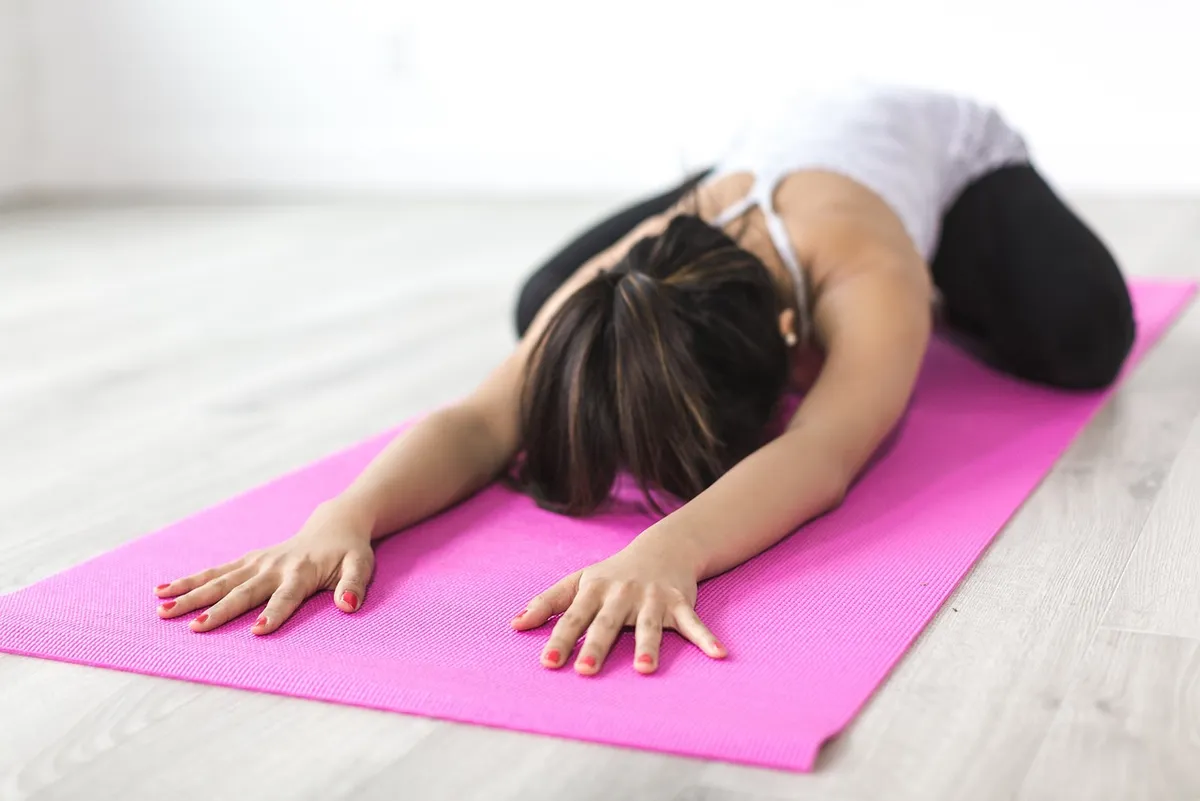
A person stands on a yoga mat in a quiet living room, reaching toward the ceiling to lengthen the spine. Practicing a stretching at home routine requires only a small clear area and consistent effort.
Home environments provide sufficient space for most flexibility exercises. You can use a chair, a wall, or a rug to facilitate movement without needing professional gym equipment. A stretching at home routine allows for privacy and comfort during deep breathing exercises.
Focusing on a pre and post exercise stretch helps prepare the muscles for workload and assists in recovery. Using the same space daily builds a habit that supports long-term physical wellness.
Yes, your living room or bedroom provides a perfect, controlled environment to practice flexibility exercises without the distractions of a gym.
Why should I stretch before and after a workout? Home stretching before workout As evening falls in the living room, I pull my heel toward my glute to feel the tight muscle release during a pre and post exercise stretch at home.
A person gently pulls their heel toward their glute while standing, feeling a pull in the quadriceps. Managing physical readiness involves understanding how different types of movement affect the body.

An easy home stretching guide often emphasizes the difference between dynamic and static movements. Dynamic stretches prepare the joints for motion, while static stretches help lengthen muscles after activity. This distinction is vital for preventing discomfort during or after a workout.
A pre and post exercise stretch can help manage physical sensations. For example, delayed onset muscle soreness also known as DOMS, typically arises 48 hours after an exercise bout.
Pre-workout stretching prepares your muscles for movement, while post-workout stretching helps soothe tension and maintain range of motion after activity.
Best free home stretching techniques
A person sits on the floor with legs spread wide, leaning forward slowly to touch the ground. Many people look for the best free home stretching methods to avoid expensive gym memberships.
You can achieve significant results by using your own body weight to create resistance. Most effective movements involve controlled breathing and gradual increases in range of motion.
| Method | Focus Area |
|---|---|
| Dynamic Stretching | Joint mobility and warmth |
| Static Stretching | Muscle lengthening and relaxation |
I found that using a sturdy chair for balance made my leg stretches much safer. Safe stretching for beginners involves moving slowly to avoid overextending or causing sudden pain.
You can utilize common household items like a sturdy chair for balance or a towel to assist with deep reaches to enhance your routine.
Safe stretching for beginners

A person holds onto a doorframe to stabilize themselves while performing a calf stretch. Beginners should focus on gentle movements that do not cause sharp pain.
To perform a safe stretching for beginners routine, follow these steps:
- Find a stable surface like a wall or a heavy piece of furniture for balance. 2. Move through a range of motion that feels comfortable without any sharp pain. 3. Hold static stretches for a set duration while maintaining steady breathing.
Always check your posture in a mirror to ensure correct alignment. If you feel sudden discomfort, stop the movement immediately.
- Start with gentle movements to warm up the joints.
- Hold each stretch only until you feel mild tension, never pain.
- Keep your breathing steady and avoid bouncing during movements.
Maximize workout benefits at home
A person moves through a series of lunges, keeping their core tight and head up. To maximize workout benefits at home, you must integrate stretching into your regular exercise schedule.
Based on the Journal of sports sciences, no significant enhancements were observed in 20-meter sprint times or agility test performance ( p > 0.05).
A consistent routine helps ensure that the body remains limber. You can combine stretching with light cardio or strength training to create a complete home workout.
One limitation is that home environments may lack specialized equipment like large foam rollers or professional mats, which can affect the depth of certain movements.
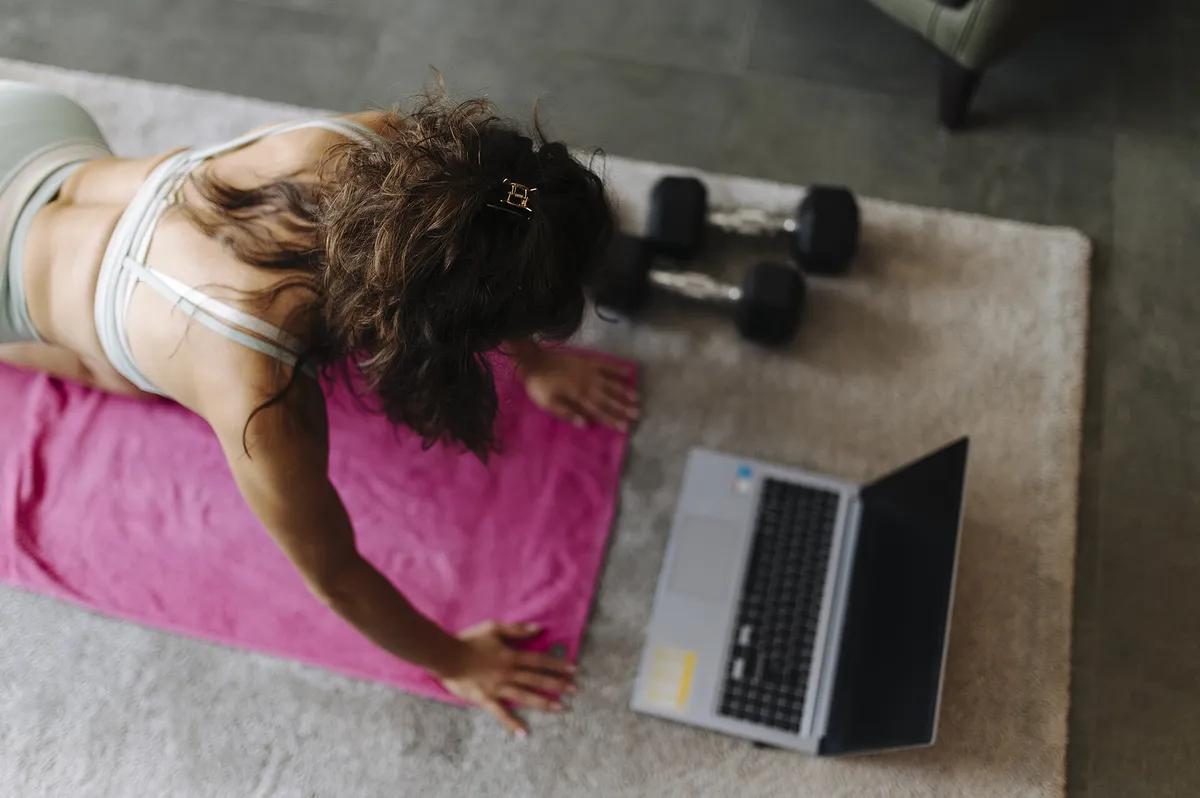
Consistency is key to seeing progress; dedicate a specific time each day to ensure your stretching becomes a seamless part of your fitness habit.
Ethiopian journal of health sciences (2023) Based on the retained excerpt mentioning Ethiopian Journal of Health Sciences: Combined training resulted in significant reductions in body composition, resting heart rate (RHR) and, BP: body weight -7.92 kg, BML -5.96 kg/m2, SBP -17.75mmHg, DBP -12.5 mmHg, RHR -8.17 bpm, and percent body fat (%BF) -6.49%.
The subject here is Home stretching before workout.
The same subject is also called Can I stretch at home?.
Related





Comments 0