Motion tracking home workout tips improve muscle engagement
"The future of fitness isn't just about how much you lift, but how precisely you move."
Smart motion tracking home workout technology uses sensors and visual data to ensure every repetition hits the correct physiological target.
This guide explores how to use digital exercise guide tech to improve range of motion, maximize muscle engagement, and maintain safety through precise feedback.
* Understand the mechanics of motion tracking for fitness. * Use digital feedback to correct squat depth and posture. * Apply technological insights to functional range of motion. * Optimize training loads through data-driven feedback.
How does motion tracking home workout tech work?
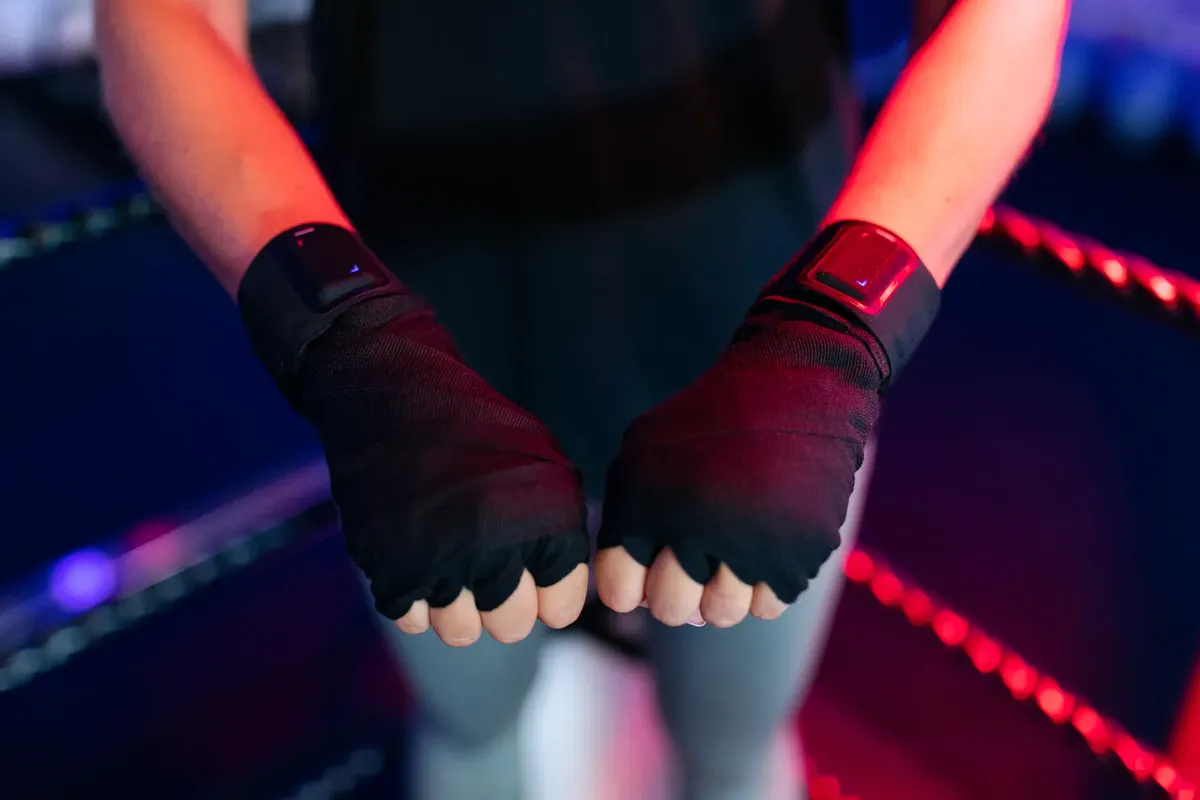
A user stands in a living room, facing a camera that maps their skeletal structure in real-time. The system identifies joints and calculates angles to provide instant feedback on posture.
Motion tracking home workout setups typically rely on optical sensors or wearable accelerometers to translate physical movement into digital data. These tools analyze the velocity, angle, and depth of a movement to ensure the user is performing the exercise correctly.
By capturing the spatial relationship between joints, the technology provides a digital mirror that highlights deviations from proper form.
Digital exercise guide tech often utilizes computer vision algorithms to create a skeletal map of the user. This map allows the system to track limb positions and calculate the exact degrees of joint flexion or extension.
Unlike traditional coaching, this constant monitoring provides immediate correction for subtle errors that might lead to injury.
- Sensors capture raw spatial data from the user's body.
- Algorithms process the data to identify specific joint angles.
- The system compares these angles against a programmed exercise model.
Why is depth important for movement tracking for fitness?
An individual performs a squat, and the screen displays a red line indicating they have not reached the required depth. This visual cue prompts them to lower their hips to meet the target.
The effectiveness of a lower-body exercise often depends on the depth achieved during a repetition. According to the Journal of biomechanics (2022), the deep-squat depth was significantly shallower in older individuals than in younger individuals.
This difference in range of motion can impact muscle recruitment and joint loading.
Using smart fitness tracking gear helps bridge the gap between intended and actual movement. By setting specific depth targets, users can work toward improving their functional mobility.
This type of feedback is essential for ensuring that every repetition contributes to the intended physiological stimulus.
In this sequence, the second step is the most critical.
Can tracking gear improve functional mobility?

A person reaches toward the floor, and the sensor records the fingertip-to-floor distance to track progress over time. The data shows a gradual increase in mobility as the weeks pass.
According to The Journal of rheumatology, experimental patients showed more improvement in function (p2 less than 0.001) and in fingertip-to-floor distance (p2 less than 0.004) than control patients.
Improving functional mobility requires consistent work on the body's range of motion. The Journal of rheumatology (1990) noted that experimental patients had more improvement in fingertip-to-floor distance (p2 less than 0.004) and in function (p2 less than 0.001) than control patients.
This demonstrates how targeted movement interventions can lead to measurable physiological improvements.
Gamified home training tools can simulate these types of functional tasks to keep users engaged. By tracking specific metrics like fingertip-to-floor distance or overhead reach, users can visualize their progress.
This data-driven approach turns abstract mobility goals into concrete, achievable milestones.
How to use tracking sensors for better results?
A user adjusts the placement of a wearable sensor on their limb before beginning a set of lunges. They check the calibration on the tablet to ensure the data is accurate.
To maximize the benefits of digital movement tracking, follow these three steps:
- Calibrate the sensors or camera setup to your specific height and limb length to ensure accurate joint mapping. 2. Set specific threshold targets for depth and range of motion based on your current physical capabilities. 3. Review the post-workout data to identify which muscle groups require more focus or better form in the next session.
I once used a sensor to check my squat depth, and it helped me realize I was tilting my pelvis too early. This final check ensures that the movement is not just completed, but completed with the correct biomechanical alignment.
What are the limitations of tracking technology?
A user moves too quickly for the camera to capture the movement, resulting in a momentary freeze on the screen. The system struggles to keep up with the rapid change in position.
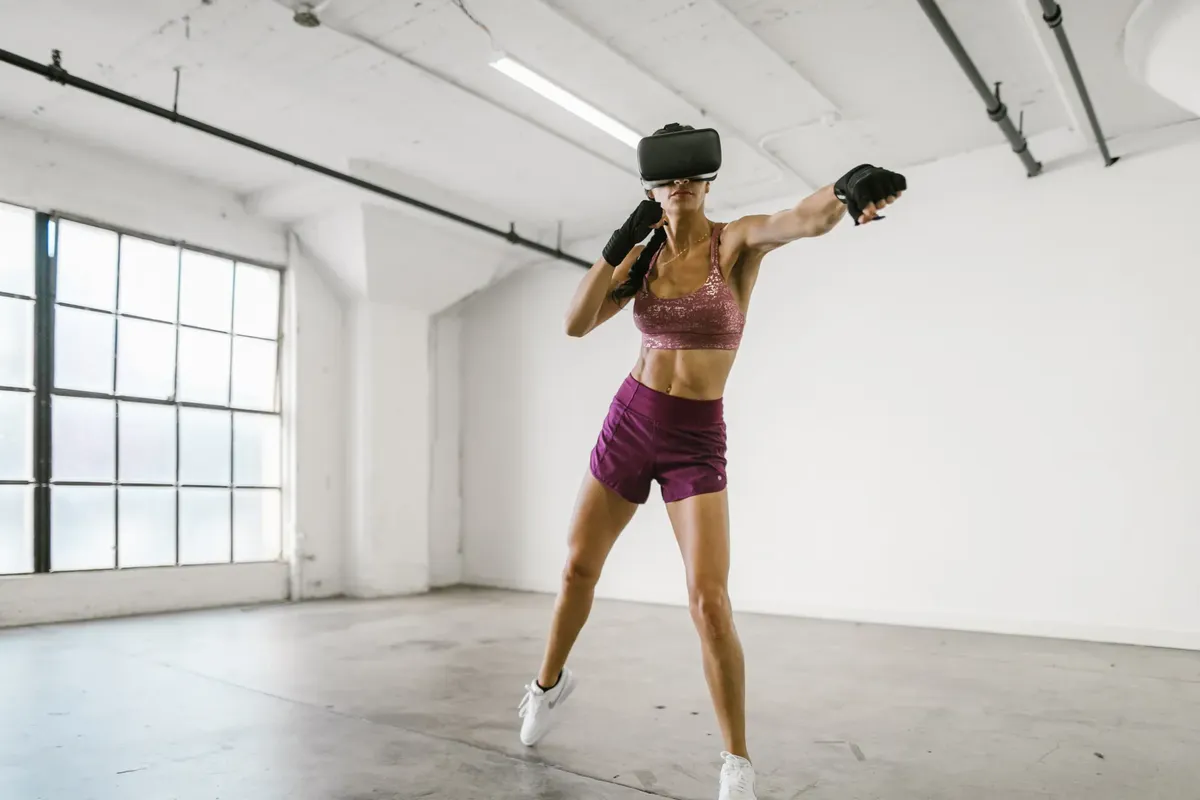
While technology is highly beneficial, it has specific constraints. One limitation is that rapid or erratic movement may exceed the frame rate or sensor sampling frequency of the hardware, leading to inaccurate data.
If the movement is too fast, the system might fail to capture the true peak of a contraction or the full depth of a squat.
| Feature | Manual Training | Motion Tracking |
|---|---|---|
| Feedback Speed | Delayed | Instant |
| Depth Accuracy | Subjective | Quantitative |
This part also covers Maximizing workout gains with tracking.
This part also covers How motion sensors boost exercise.
This part also covers Best tracking gear for home gym.
Maximizing workout gains with tracking
Related
- Fitness media learning guide: How to use verified content
- Rhythm Boxing Home Workout: Why Use Music For Cardio
How does precision relate to the future of fitness? Precision is central to the future of fitness because it moves the focus beyond sheer effort to quality of movement. The technology allows users to see exactly where their form deviates from the ideal, which is a significant advancement over guesswork. This precise feedback mechanism ensures that the effort applied translates directly to the intended physiological outcome. According to Nutrients, low magnesium status is associated with hypertension, type 2 diabetes, osteoporosis, migraines, depression, and chronic inflammation, whereas sufficient intake supports cardiometabolic resilience, skeletal strength, neurological stability, and healthy aging.
This digital guidance helps users refine their technique, which is critical for long-term gains in fitness. By constantly monitoring angles and depth, the system guides the user toward optimizing muscle engagement during every single repetition.
This focus on accuracy supports the overall goals of the future of fitness.
The ability of smart motion tracking to provide instant correction addresses a major hurdle in at-home training environments. Unlike a trainer who might only observe a few sets, the technology provides continuous oversight, thereby enhancing the safety and efficacy of the workout session.







Comments 0