Stretching for muscle pain: Effects on muscle activation 1.3
"The data indicated that SS- (-3.7%), DS- (+1.3%), and PNF- (-4.4%) induced performance changes were small to moderate with testing performed immediately after stretching, possibly because of reduced muscle activation after SS and PNF."
Strategic stretching for muscle pain management involves balancing flexibility with functional performance. This guide covers how to integrate various stretching techniques to manage muscle stiffness and stability while understanding the potential impact on immediate athletic performance.

Key takeaways include managing muscle stiffness through consistent training, understanding how different stretching methods affect muscle activation, and utilizing stability improvements for better postural control.
How to manage muscle stiffness through stretching for muscle pain?
A person sits on a yoga mat, slowly reaching toward their toes to feel the tension in their hamstrings. This routine targets the lingering tightness that often follows a heavy workout.
A meta-analysis published in the Scandinavian journal of medicine & science in sports in 2023 showed a moderate decrease in muscle stiffness after 3-12 weeks of static stretch training compared to a control condition.
This reduction in stiffness suggests that consistent, long-term application of static stretching can effectively alter tissue tension. Such adjustments help in maintaining a healthy range of motion during daily activities.
- Identify the specific muscle group experiencing tension.
- Apply gentle static stretches to lengthen the tissue.
- Incorporate dynamic movements to increase blood flow.
How will these techniques affect my performance? An athlete stands in a gym, performing a quick series of dynamic movements to prepare for a heavy lift. They pause to consider how their warm-up might influence their strength output.
According to the journal Applied physiology, nutrition, and metabolism in 2016, the data indicated that SS- (-3.7%), DS- (+1.3%), and PNF- (-4.4%) induced performance changes were small to moderate with testing performed immediately after stretching.
These changes were likely due to reduced muscle activation following SS and PNF techniques. Understanding these small shifts is vital for those seeking to maximize workout results stretch benefits.

In this sequence, the second step is the longest.
Can stretching help me stay more stable? A person stands on one leg, carefully balancing their weight to maintain a steady center of gravity. They focus on the engagement of their core muscles to stay upright.
Research in the European journal of physical and rehabilitation medicine in 2020 found that both interventions were comparable for a significant improvement in postural stability, specifically for the velocity sway parameter.
Additionally, there was a significant increase in activation of the external abdominal oblique muscle after the intervention. This suggests that certain stretching protocols can support better body control and core engagement.
How can ankle mobility be enhanced?
A runner kneels on the floor, gently pushing their knee forward over their toes to increase calf flexibility. They repeat the movement to ensure a full range of motion.
The International journal of environmental research and public health in 2022 reported that both ankle RoM and maximum dorsiflexion increased over time. These improvements occurred without any difference between the groups studied.
Increasing ankle mobility is a common goal for those looking to implement safe stretching for fitness routines.
What are the practical steps for a stretching routine?
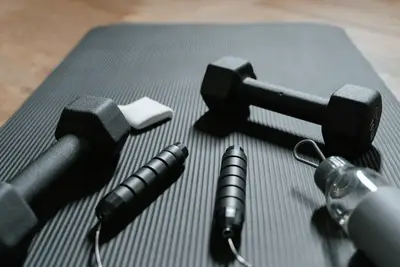
An individual prepares their workout space, laying out a foam roller and a stretching strap. They begin to organize their movements to ensure a smooth transition from warm-up to exercise.
To integrate these findings into a routine, focus on consistency and technique:
- Implement a consistent static stretching program over several weeks to target muscle stiffness. 2. Monitor immediate performance changes after stretching to adjust the timing of high-intensity tasks. 3. Incorporate stability-focused movements to engage the core and improve postural control.
I observed how these different methods influenced my own flexibility during a routine stretching session.
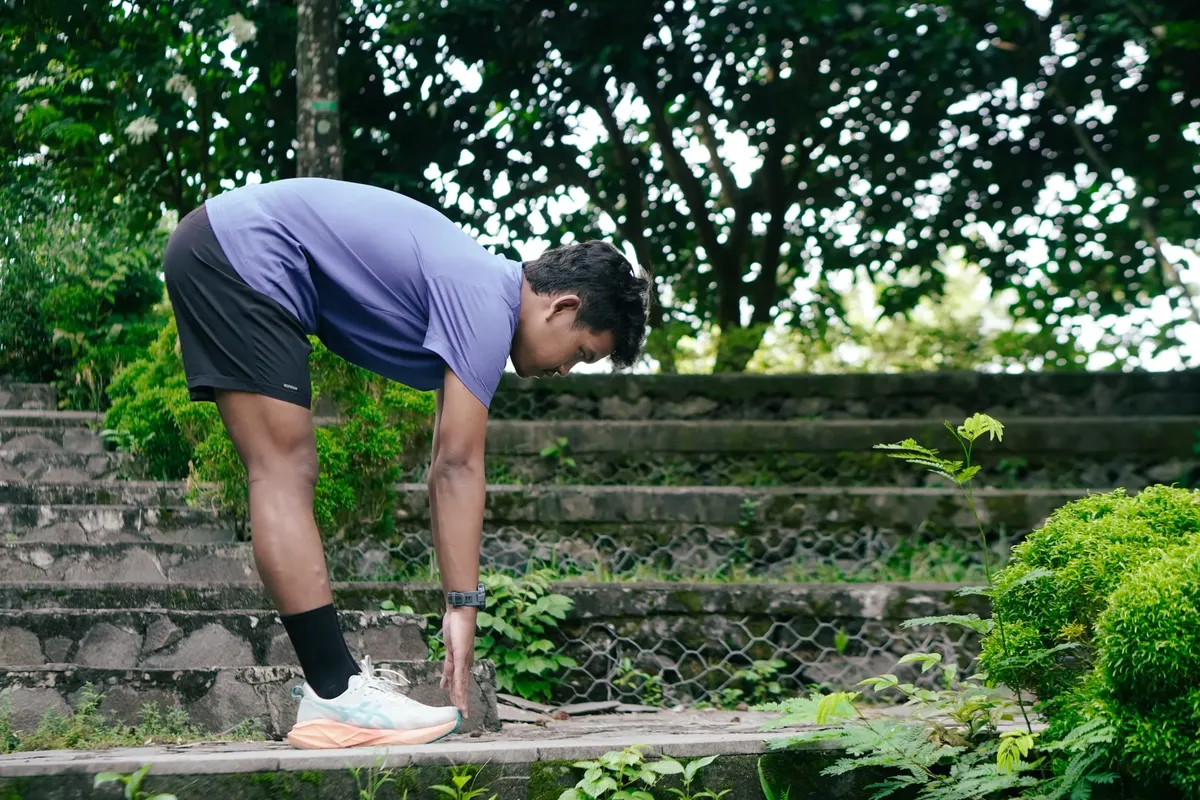
A limitation of these findings is that performance changes observed immediately after certain stretching methods might be influenced by reduced muscle activation.
The subject here is Stretching for muscle pain.
The same subject is also called Pre and post workout stretch.
The same subject is also called Prevent muscle soreness tips.
This part also covers Best warm up stretches guide.
This part also covers Cool down routine for recovery.
This part also covers How to check muscle pain.
Best warm up stretches guide
Related
- Muscle Soreness Relief: How to Prevent Pain Post Workout
- How can I start with beginner muscle relief stretches?
When should performance testing occur relative to stretching? Testing should be performed immediately after stretching to observe the acute effects of the techniques. The data indicated that performance changes were small to moderate when testing occurred right after the stretching session. This timing is important for understanding the immediate impact of the various stretching protocols on athletic output.
What conditions lead to performance changes after stretching? The data indicated that reduced muscle activation following SS and PNF techniques contributed to the observed performance shifts. These small to moderate changes suggest a direct link between muscle activation levels and the immediate outcomes of the stretching. Therefore, the condition of muscle activation must be considered when interpreting performance results.
The comparison between different stretching methods highlights that while some protocols yield stability improvements, others show minor performance fluctuations right after application.
This necessitates a careful approach when planning a comprehensive training regimen that incorporates both flexibility and strength work.
Consistency in static stretching over a longer period is what leads to the moderate decrease in muscle stiffness, as shown by the meta-analysis. Conversely, the immediate effects of dynamic stretching or PNF might be more transient, related to temporary changes in muscle firing patterns.
When enhancing ankle mobility, the reported increase in range of motion occurred over time, indicating a gradual physiological adaptation rather than an immediate response. This contrasts with the immediate performance data collected after specific stretching interventions.



Comments 0