How can I start a home ab workout rep routine?
"A strong core is the foundation of functional movement and stability in everyday life."
Building a strong midsection at home requires consistency and specific movements to target deep muscle layers. This guide covers three effective ways to strengthen your core, including techniques to improve abdominal muscle thickness and stability.
You will learn how to execute these movements safely, though results depend on individual physical condition and consistency.
How can I start a home ab workout rep routine?

As the morning sun streams through the window, I lie on the floor to start my first set of repetitions, feeling the sudden tension in my midsection.
A person lies on a yoga mat, focusing on controlled breathing as they prepare for the first movement. Starting a routine involves selecting exercises that engage the entire abdominal wall to ensure stability.
Effective abdominal training often focuses on the deep layers of the core to provide better support for the spine.
According to NeuroRehabilitation (2020), specific techniques can lead to superior effects in abdominal muscle thickness, specifically involving the transversus abdominis and internal oblique. By focusing on these deep muscles, you can build a more stable foundation.
A beginner might start with basic planks to engage the entire core at once. This movement targets the stability needed for more advanced exercises later.
- Select three foundational exercises that target different parts of your midsection.
- Perform each movement for a set number of repetitions until you feel muscle fatigue.
- Rest for sixty seconds between sets before repeating the circuit.
What are the best core exercises at home for stability?

A person stabilizes their pelvis while performing a slow, controlled movement on the living room floor. Moving beyond simple crunches can help engage the deeper muscles that support the torso.
To strengthen the core effectively, one must target different planes of motion. Some studies suggest that specific intervention groups can demonstrate significant improvement over others after a set period of training.
For instance, the CSE group demonstrated significantly more improvement than the STE group after 4 weeks of intervention, according to BMC musculoskeletal disorders (2021). This highlights how specific training protocols can yield different results in a short timeframe.
Incorporating stability-focused movements helps prevent injury during daily tasks. These exercises ensure the abdominal wall works in harmony with the diaphragm and pelvis.
Planks, bird-dogs, and dead bugs are excellent choices for building foundational stability without needing any equipment.
How do I achieve an effective stomach workout?
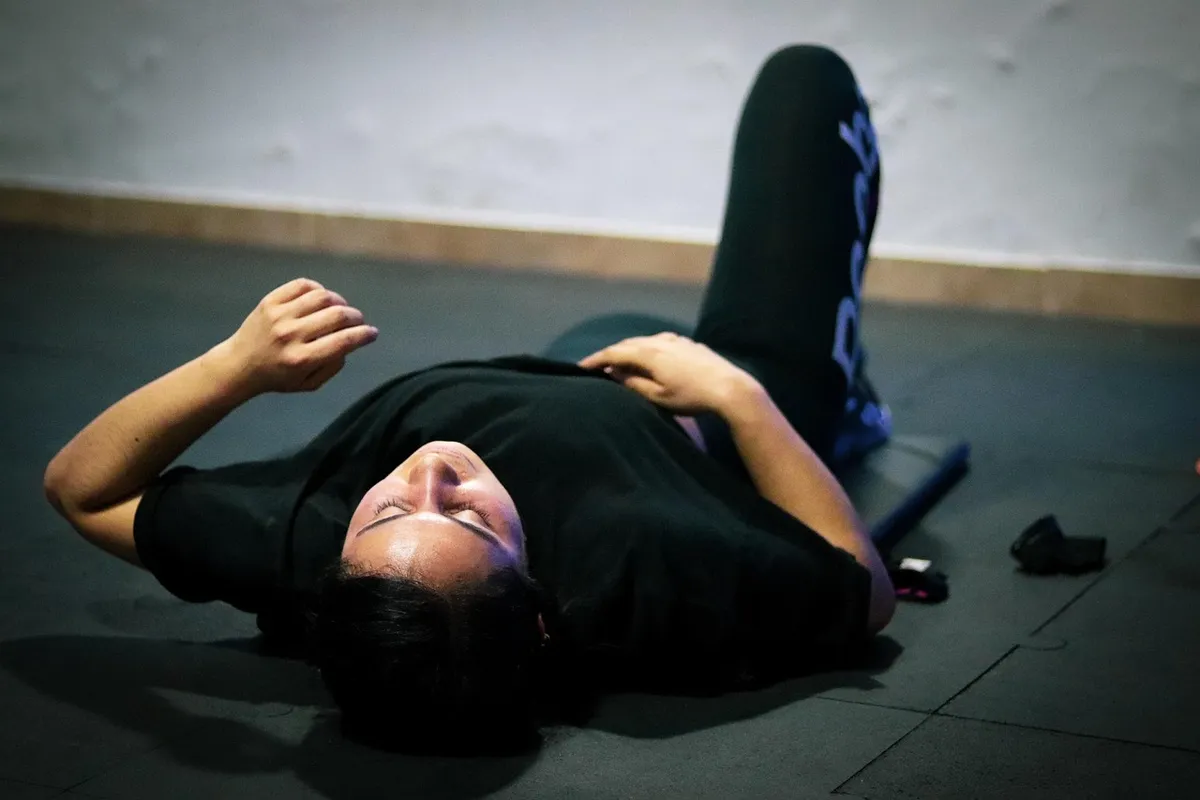
A person holds a steady position, feeling the tension in their midsection as they maintain form. Achieving a functional core requires more than just surface muscle development.
A well-rounded routine should address both the superficial and deep musculature. Strengthening the transversus abdominis is essential for functional stability. The goal is to create a rigid yet flexible midsection that protects the lower back.
| Exercise Type | Primary Target |
|---|---|
| Static Holds | Isometric Stability |
| Dynamic Movements | Muscle Thickness |
I found that focusing on the slow, controlled tension in my transverse abdominis during these holds made a noticeable difference in my stability.
Focus on high-intensity intervals and controlled contractions to maximize muscle engagement during your sessions.
How can I manage at home muscle building without equipment?
A person uses their own body weight to create resistance against gravity. You do not need a gym to build significant core strength.
Bodyweight exercises are highly effective for targeting the abdomen. You can use movements like leg raises, mountain climbers, or hollow body holds to challenge your stability. These exercises require no special tools but demand high levels of control.

- Perform a controlled abdominal contraction to engage the deep muscles. 2. Execute the movement through a full range of motion without arching the back. 3. Complete the set and perform a final check to ensure your spine remains neutral.
A limitation of these bodyweight exercises is that they may become too easy once your strength improves, requiring a progression to more difficult variations to maintain challenge.
Utilize bodyweight exercises and manipulate your tempo to increase tension on the muscles.
Related
- What defines the difference between acute and chronic pain?
- Best home stretching before workout: How to guide
When should I adjust my core training routine?
When the current bodyweight exercises feel too simple, you must progress to more challenging variations to keep building a strong core. This progression addresses the limitation that existing exercises might become too easy as strength increases.
Maintaining a consistent challenge is vital for continued core development.
You should modify your routine once the current exercises no longer pose a physical challenge or when you stop seeing progress in strength.
How does proper form affect core strength gains?
Proper form is crucial because it ensures that the intended muscles are working during the exercise. Executing movements without arching the back, for example, directly supports the goal of creating a rigid yet flexible midsection.
Focusing on controlled breathing while preparing for a movement also contributes to engaging the deep muscle layers of the core.
Consistent application of these principles allows a person to build a strong core foundation, which supports functional movement in daily activities. The stability gained from targeting deep muscles translates directly into better support for the spine during everyday tasks.
Maintaining proper form ensures that the target muscles are doing the work, which prevents injury and maximizes strength development.
What considerations should guide exercise selection for a strong core? Selecting the right exercises involves considering the specific plane of motion you wish to address for your strong core. Since effective abdominal training targets deep layers, choosing movements that demand full-body engagement is beneficial. The comparison between static holds and dynamic movements shows that both contribute uniquely to a comprehensive strong core.
- If the goal is isometric stability, favor static holds to build endurance in the deep muscles. 2. If the objective is muscle thickness, incorporate dynamic movements that require continuous contraction. 3. Always ensure the chosen exercise allows for controlled breathing throughout the entire repetition cycle.
How does spinal alignment relate to core strength development? Maintaining proper spinal alignment is a prerequisite for effective core training. Executing movements without arching the back directly supports the goal of creating a rigid yet flexible midsection. This attention to form ensures that the intended muscles are working during the exercise, which is vital for building a strong core.
Focusing on the slow, controlled tension during exercises helps reinforce this alignment. The stability gained from targeting deep muscles translates directly into better support for the spine during everyday tasks, making proper form indispensable for progress.








Comments 0