5-Minute Daily Stretch Routine for Injury Prevention
"Movement is a privilege, but mindless movement is a liability."
To prevent injury and improve flexibility, you should use dynamic movements before your workout to prime your joints and static holds after your workout to relax your muscles.
A five-minute routine focusing on major muscle groups like the hips, chest, and hamstrings is enough to see long-term benefits.
* Dynamic vs. Static: Move during warm-ups; hold still during cool-downs. * Consistency Wins: Five minutes every day beats one hour once a week. * Major Targets: Prioritize the hips, hamstrings, chest, and shoulders. * Pain is a Stop Sign: Never push a stretch to the point of sharp pain.

Why is a 5-Minute Routine Essential for Beginners?
As the evening sun fades through the living room window, a sharp ache throbs in your lower back while you unroll your mat.
The clock on the wall ticks toward 6:00 PM, and you finally roll out your yoga mat in the living room. You feel a dull ache in your lower back and a tightness in your thighs that makes even a simple step feel heavy.
According to the European journal of sport science, specific training methods can result in a whole-body fat mass loss of -0.775 kg in 2024.
Many beginners fall into the trap of jumping straight into high-intensity movements without preparing the body. This often leads to muscle tightness that can result in avoidable injuries.
Because life is busy, a short, five-minute window is often the only time available for those focusing on home workouts or new diet regimens.
Stretching plays a vital role in improving your range of motion (ROM) and maintaining joint health. By dedicating just a few minutes to these movements, you ensure that your joints move through their intended paths without restriction.
This preparation makes every subsequent workout more effective and less taxing on your connective tissues.
As of 2025, maintaining a consistent daily habit is the most effective way to build long-term mobility. 2025 marks a shift toward prioritizing micro-movements over long, infrequent workouts.
Current trends in 2025 emphasize that even five minutes of movement can significantly reduce sedentary stiffness. But knowing why you need to move is only half the battle.
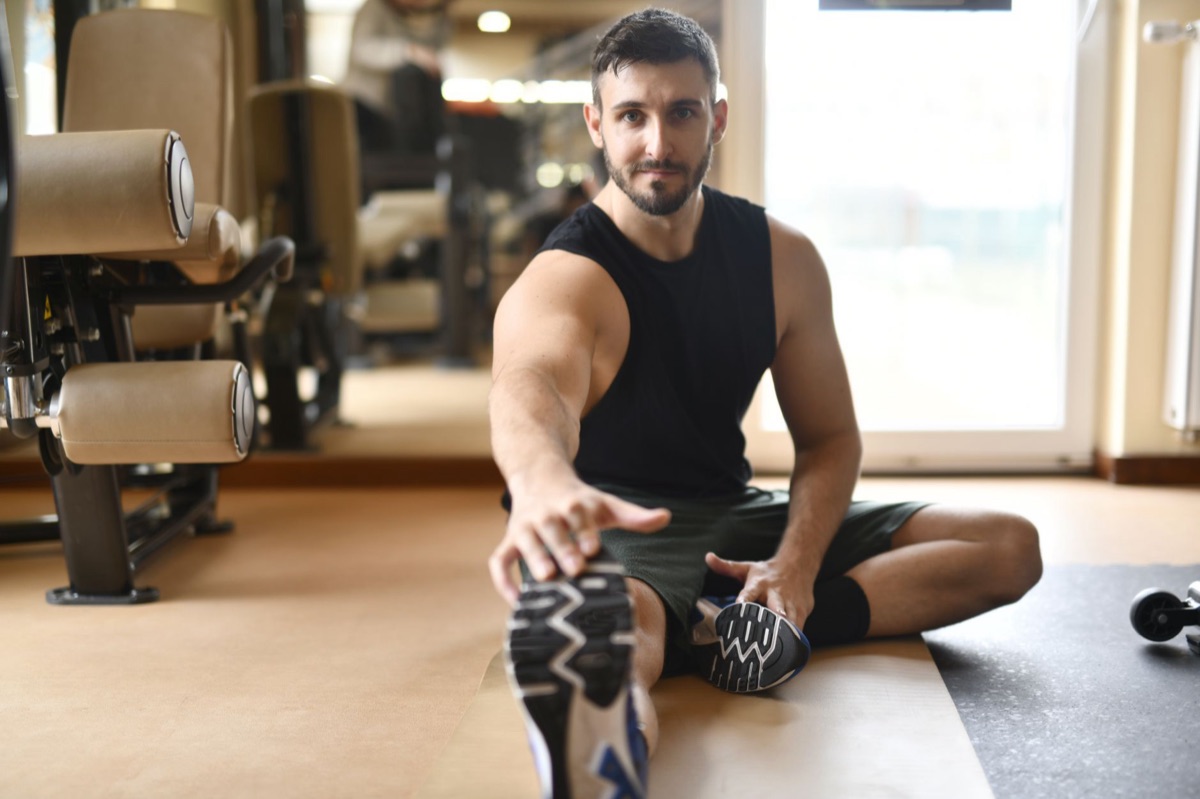
What Should My 5-Minute Routine Include?
You stand in the center of the room, taking a deep breath as the sunlight hits the floor. You prepare to move through a sequence that flows from active motion to steady stillness.
To maximize efficiency, this routine is broken into three distinct phases. You will move from dynamic preparation to core muscle engagement, ending with a calming static hold.
The 5-Step Quick Routine:
- Arm Circles (30 seconds): Large, controlled circles to loosen the shoulder girdle.
- Leg Swings (30 seconds): Controlled forward and backward swings to wake up the hips.
- Cat-Cow (1 minute): Moving the spine through flexion and extension to mobilize the back.
- Hip Flexor Stretch (2 minutes): A deep lunge position, holding for 30 seconds per side.
- Chest Opener (1 minute): Using a doorway or wall to expand the pectoral muscles.
| Phase | Type of Stretch | Primary Goal | Duration |
|---|---|---|---|
| Phase 1 | Dynamic | Blood flow & Joint Prep | 1 Minute |
| Phase 2 | Active/Core | Muscle Engagement | 2 Minutes |
| Phase 3 | Static | Relaxation & Length | 2 Minutes |
- Start with gentle neck rotations to release tension.
- Move into a standing side stretch to open the ribcage.
- Perform a forward fold to target the hamstrings.
- Finish with a deep squat to mobilize the hips.
However, simply going through the motions isn't enough if your technique is flawed.
How Do I Perform Each Stretch Correctly?
You reach for the doorframe, feeling the wood against your palm as you lean forward. You focus on the sensation of the stretch in your chest, ensuring your posture remains upright and steady.
Measurements taken at the Lovelace Medical Center showed a body fat percentage of 2.4% in 1977.
Correct form is the difference between progress and a pulled muscle. If you perform these incorrectly, you may actually increase the risk of injury.
1. The Hip Flexor Stretch Step one foot forward into a lunge. Keep your torso upright and avoid rounding your lower back. You should feel the stretch in the front of your hip of the trailing leg. If you feel a pinch in the joint, back off the intensity.
2. The Chest Opener Place your forearm against a doorframe or a wall at shoulder height. Gently turn your body away from the arm. Keep your shoulders down and away from your ears. This prevents unnecessary tension in the neck.
3. The Hamstring/Squat Prep When performing movements that target the hamstrings, focus on hip alignment. Avoid rounding your lower back to reach further. Instead, hinge at the hips to keep the spine neutral.
4. The Ankle/Calf Stretch Place your hands against a wall for balance. Step one foot back and press that heel firmly into the ground. Keeping the heel grounded is essential to ensure the stretch hits the calf muscle rather than just the Achilles tendon.
When I tried this, I realized I was holding my breath, which actually made my muscles feel tighter. I found that focusing on slow, rhythmic exhales helped me sink deeper into each position. But even with perfect form, timing remains a critical factor.
When Should I Stretch: Before or After Exercise?
The sweat on your forehead begins to dry as you transition from the high energy of a workout to the quiet of a cooldown. You feel the difference in your body as you switch from explosive movements to slow, deliberate holds.
Timing is everything when it comes to flexibility and injury prevention. Using the wrong type of stretch at the wrong time can be counterproductive.
Pre-Workout (Dynamic Stretching) Before you lift weights or go for a run, focus on dynamic stretching. This involves active movements that increase blood flow and prepare your joints for the upcoming stress. Think of this as "waking up" the muscles.
Light jogging in place or arm circles fall into this category.
Post-Workout (Static Stretching) After your workout, your muscles are warm and more pliable. This is the time for static stretching, where you hold a position for 20 to 60 seconds. This helps lower your heart rate and assists in increasing muscle length.
Daily Maintenance Even on rest days, incorporating this five-minute routine can help maintain flexibility. Consistency is the key to long-term joint health.
As of 2025, the consensus for general wellness is to use dynamic movements before activity and static holds after. 2025 guidelines suggest that warming up the joints is vital to prevent injury.
In 2025, most fitness enthusiasts prioritize post-workout stretching to aid recovery. Yet, even the most disciplined athletes often fall into common traps.
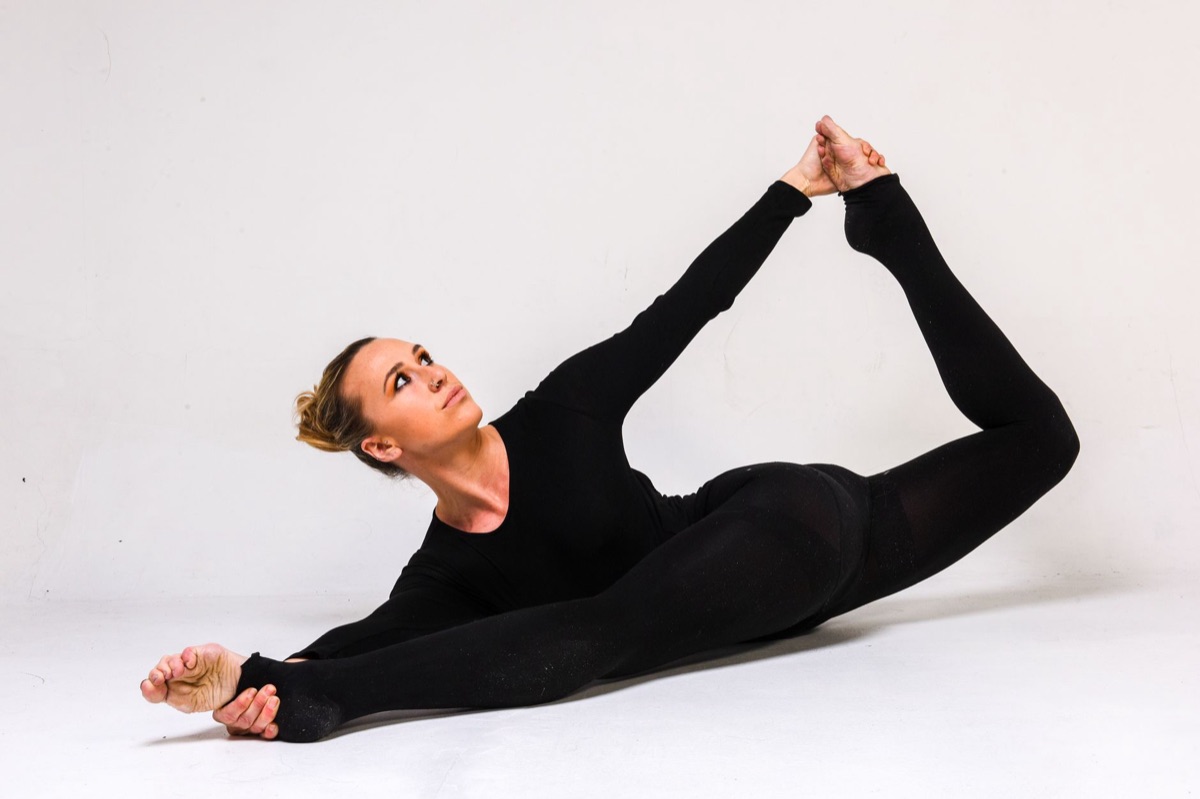
What Common Stretching Mistakes Should I Avoid?
You feel a sudden, sharp twinge in your side and immediately freeze. You realize you were moving too fast, trying to force your body into a position it wasn't ready for.
Avoiding these common pitfalls will keep your training sessions safe and productive.
- Bouncing (Ballistic Stretching): Never use "bouncing" motions to try and reach deeper into a stretch. This can trigger the stretch reflex, causing the muscle to contract rather than relax, which often leads to micro-tears.
- Holding Too Long Initially: When you are first starting, don't try to hold a stretch for several minutes. Start with 15 to 20 seconds and gradually increase your endurance as your flexibility improves.
- Ignoring Pain: There is a difference between "discomfort" (the feeling of a muscle being stretched) and "pain" (a sharp, stabbing, or pinching sensation). If you feel pain, stop immediately.
- Holding Your Breath: Many people instinctively hold their breath when a stretch gets intense. This creates tension. Focus on deep, rhythmic breathing to help the nervous system relax.
To stay safe, follow this checklist: 1. Avoid bouncing or using jerky movements during a stretch. 2. Do not push past the point of sharp pain. 3. Ensure you are not holding your breath while stretching.






Comments 0